Write to us:
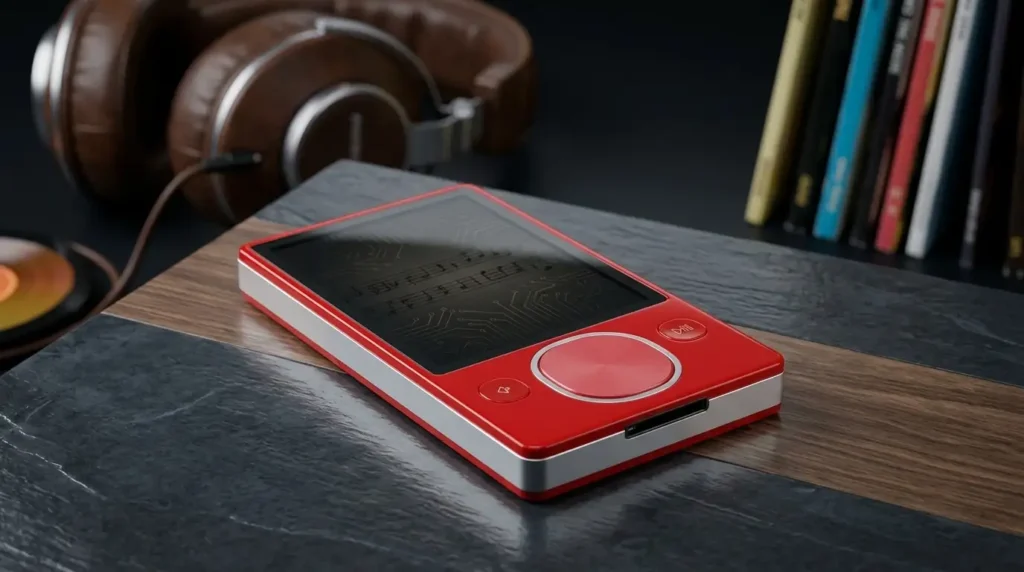

The Microsoft Zune is one of tech history’s great almosts, a stylish, genuinely clever media player that arrived too late, fought the wrong enemy in the wrong way, and ended up as a punchline instead of a platform. But the Zune story is bigger than failure, it’s a story about the rise of digital music, the limits of branding, and the moment Microsoft tried to out-Apple Apple and learned that “good hardware” is only one piece of a much nastier puzzle.
Introduction
In the mid 2000s, carrying an MP3 player felt a little like carrying the future in your pocket. The iPod was the king, the white earbuds were the crown, and iTunes was the toll road everyone had to pay to get music onto the device they actually wanted. Microsoft looked at that empire and decided it wanted in, not just with a player, but with a whole media ecosystem.
That ambition produced the Zune, launched in November 2006 as Microsoft’s first serious challenge to Apple’s music dominance. It was marketed as an “iPod killer”, but that phrase can be dangerous, it invites comparison to a product that already owns the culture, the software, and the customer’s habits.
The iPod Era
By the time Zune arrived, Apple had already spent years turning the iPod into more than a gadget. It was a status symbol, a music library, and a fashion accessory all at once, backed by iTunes, which made the whole experience feel integrated rather than bolted together. Microsoft had cash, engineering talent, and a giant brand, but Apple had momentum and a story people already loved.
That mattered because digital music was changing fast. People were moving from CDs and folders of MP3s to device ecosystems, online stores, and subscription models, and the winner would be whoever made all of that feel easiest and coolest. Apple understood the “cool” part better than almost anyone, Microsoft understood the platform part, but not always the vibe.
Birth of Zune
Zune did not emerge fully formed from a secret Redmond lab fantasy. The first-generation device was developed with Toshiba and closely modeled on Toshiba’s Gigabeat S hardware, which meant Microsoft’s big new challenger had some borrowed bones under the hood. In other words: the Zune was not just a software company’s moonshot, it was also a hardware remix with a corporate passport.
Microsoft’s real goal was larger than selling a single player. Zune was meant to connect music, video, device syncing, online marketplaces, subscriptions, and eventually the Xbox world into a Microsoft media universe. That ecosystem ambition was smart, even visionary, but it also made Zune heavier strategically than a simple portable player should ever have been.
Launch Day
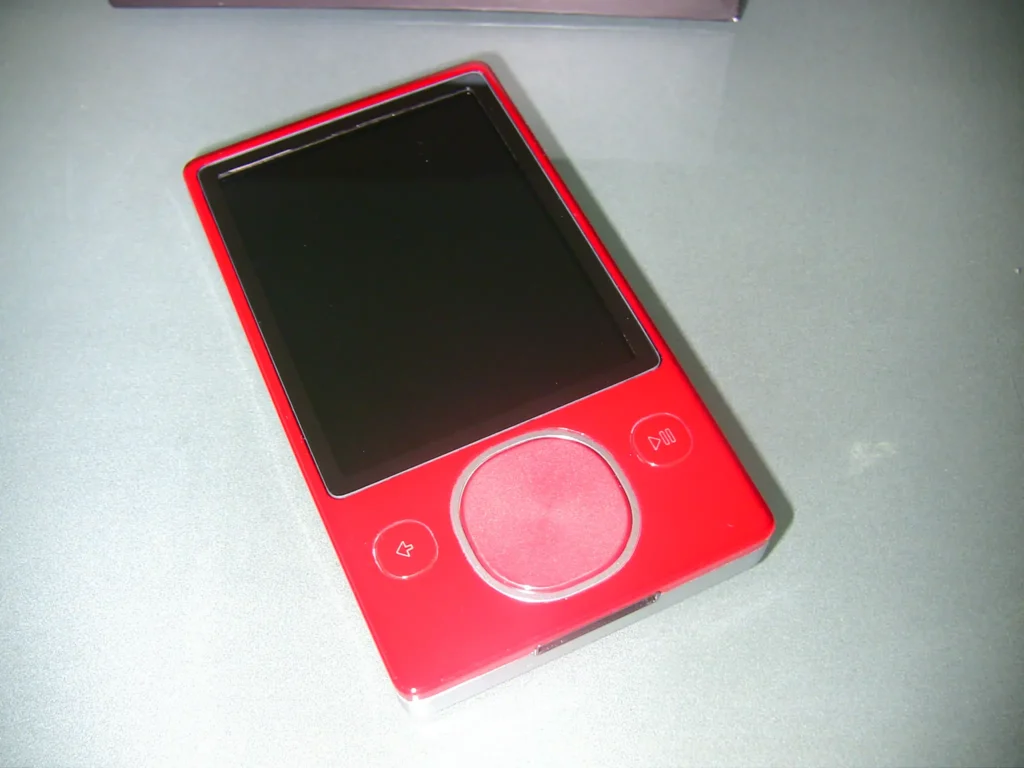
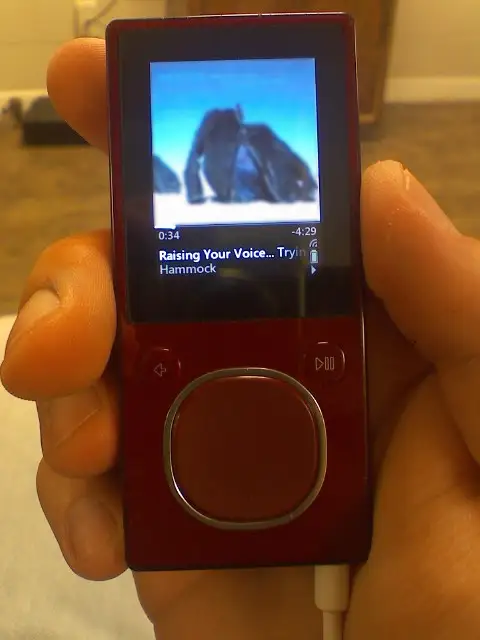
The original Zune launched in the United States on November 14, 2006, with a 30GB hard drive, Wi-Fi, an FM radio, and a 3-inch screen. Microsoft clearly wanted this to feel like a modern media device, not just another iPod clone, and early attention focused as much on the service story as the hardware.
And then there was the color. The original Zune came in black, white, and a brown finish that became an instant internet object of ridicule. The brown model didn’t just look different, it looked like Microsoft had deliberately chosen to ship a device in a shade that could start an argument in a hardware forum and a meme thread at the same time.
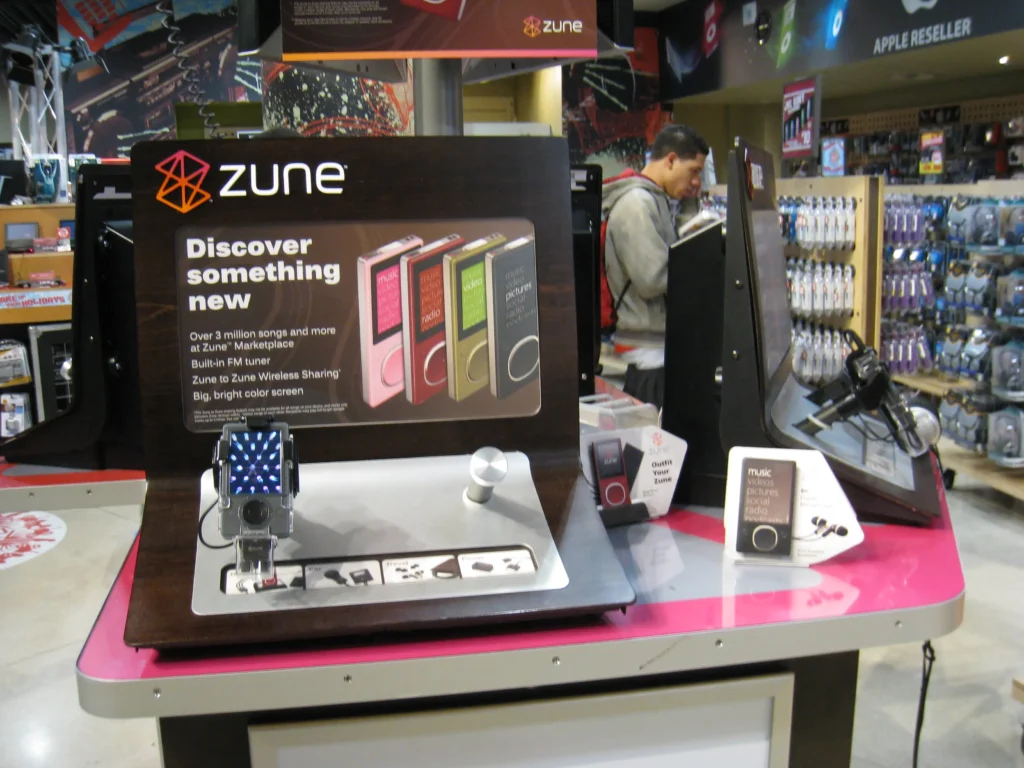
What It Did Well
The Zune had ideas that were genuinely ahead of their time. It supported wireless song sharing, a social angle that let users send tracks to nearby Zune owners, though those shares were limited and time-bound. It also pushed a subscription model through Zune Pass, which offered all-you-can-listen access plus a monthly allotment of free songs, a concept that now feels very modern and very streaming-era.
Hardware-wise, the Zune was often praised for feeling solid. Later models improved storage, added bigger screens, and kept leaning into a clean, visual interface that felt more deliberate than many competitors from Creative, iRiver, and even Sony’s Walkman line at the time. In a vacuum, the Zune was a respectable portable media player, in the market, it was trying to win a culture war.
Zune vs iPod
The problem with the Zune vs iPod story is that the iPod was never just about specs. Apple had iTunes, an enormous installed base, and a brand identity that made ownership feel aspirational rather than merely functional. Microsoft had a device, a store, and a subscription service, but it lacked the emotional shorthand that made people choose Apple over and over again.
Even when Zune looked competitive on paper, it was still playing catch-up. Microsoft sold only about 1.2 million Zune players between launch and mid-2007, and by May 2008 the company said it had sold 2 million total. Apple, meanwhile, had already sold well over 100 million iPods by the time Zune entered the arena, which is not so much a lead as a different galaxy.

Why It Failed
Zune failed for a pile of reasons that reinforce one another. It launched late, after Apple had already locked in the market and the habits around it. Microsoft’s marketing was also muddled: it wanted Zune to be social, premium, music-first, Xbox-adjacent, and anti-iPod all at once, and those messages never quite fused into one compelling identity.
Then came platform friction. Zune had no app ecosystem like the later smartphone era would demand, and as phones grew more capable, standalone music players began to look less essential. Microsoft also suffered from a brand perception problem: people trusted it to make software, but they didn’t instinctively trust it to make a beloved lifestyle object.
Zune HD
If the original Zune was Microsoft entering the party in the wrong shoes, the Zune HD was Microsoft finally finding the right suit a little too late. Released in 2009, it arrived with a 3.3-inch OLED touchscreen, Nvidia Tegra silicon, Wi-Fi, HD Radio, and a more polished industrial design that won a lot of praise from reviewers. It looked and felt like the Zune Microsoft should have shipped first.
Critics liked the hardware because it was genuinely elegant, and the OLED screen made the thing feel premium in a way the original Zune never quite managed. But commercial success still didn’t follow, because by then the market had shifted under Microsoft’s feet; the iPhone and smartphone era were changing what people expected a portable device to do.
Cultural Memory
The Zune did achieve one rare, valuable thing: it became memorable. The brown Zune turned into an enduring meme, a shorthand for “Microsoft tried something bold and the internet noticed immediately”. That kind of ridicule can bury a product, but it can also keep it alive in cultural memory far longer than sales figures deserve.
Then pop culture gave the Zune a second life. Its appearance in Guardians of the Galaxy Vol. 2turned the device into a nostalgic Easter egg, a tiny museum piece with a punchline and a fanbase. For retro gadget fans, that was the perfect ending: the device that once tried to be too forward-looking became a symbol of 2000s tech sincerity.
Microsoft’s Legacy
Zune didn’t win the MP3 player wars, but it did influence Microsoft’s later thinking about media, services, and device integration. You can trace some of its DNA into Xbox Music, Groove Music, and the broader idea that Microsoft should own the subscription and software layer around entertainment, not just the hardware box. The company kept trying to build a coherent media identity, and Zune was the prototype for that ambition.
It also hinted at a design shift inside Microsoft. The cleaner visuals, the emphasis on user experience, and the push toward integrated services foreshadowed a more polished era of Microsoft products, even if the path there was messy. In that sense, Zune was less an isolated failure than an important, slightly bruised rehearsal.
Could It Have Won?
Maybe, but only if history had bent in several uncomfortable directions at once. If Microsoft had launched earlier, introduced a clearer identity, nailed the software experience, and somehow made Zune culturally cool before Apple had locked down the market, the story might have been different. But that’s a lot of “ifs” for a device that entered a category already dominated by a wildly successful rival.
The more honest answer is that Zune was probably never going to beat the iPod outright. What it could have done was carve out a durable niche, especially if Microsoft had leaned harder into subscription listening, Xbox integration, and a less confused product strategy. Instead, it became one of the most famous failed Microsoft products precisely because it was so close to being interesting enough to matter.
Conclusion
The Microsoft Zune was not a joke, even if the internet treated it like one. It was an ambitious attempt to redefine digital music around Microsoft’s strengths, and it arrived with enough good ideas to make the failure feel unfair, or at least tragically on-brand. The Zune’s legacy lives on in nostalgia, collector interest, and the odd comfort of remembering when tech companies still made big, weird bets on pocket-sized music machines.
In the end, the Zune is worth remembering because it captured a specific moment in tech history: the last big gasp of the dedicated MP3 player era, when hardware still mattered, subscriptions were still experimental, and owning a music device felt like a personal statement. Microsoft missed the throne, but it left behind one of the most interesting near-misses in consumer electronics.
What was Microsoft Zune?
Microsoft Zune was a line of portable media players, software, and music services launched in 2006 as Microsoft’s answer to the iPod.
Why did Zune fail?
Zune failed because it arrived late, lacked Apple’s cultural momentum, had weaker branding, and faced a market shifting toward smartphones and streaming.
Was Zune better than iPod?
In some ways, yes: it offered wireless sharing, a subscription model, and later strong hardware like the Zune HD. But Apple had the better ecosystem, better timing, and stronger market identity.
What is Zune Pass?
Zune Pass was Microsoft’s music subscription service, offering access to a large catalog with extra song allowances, years before streaming became the default way people listened to music.
When did Microsoft discontinue Zune?
Microsoft announced the end of Zune devices in 2011, and Zune services were later retired in 2015.