Write to us:
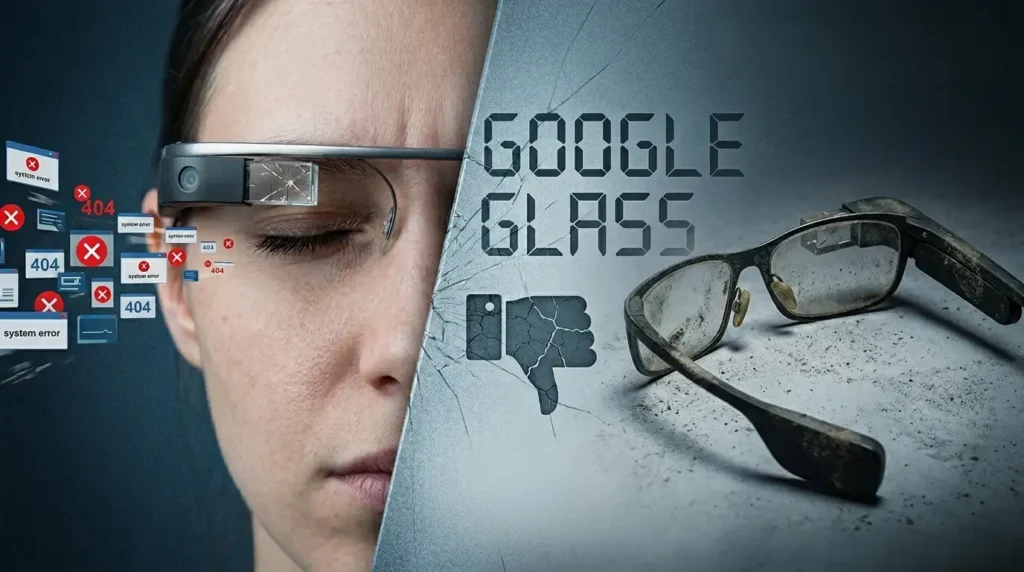

In the early 2010s, Google Glass promised to bring augmented reality into everyday life. It was a tiny screen over your eye, a camera on your face, and voice‑driven commands that made you feel like you’d stepped into a sci‑fi movie. But outside of a relatively small set of early adopters and enterprise trials, Glass never really took off. Today, it lives mostly as a footnote in tech history: a “what if” that never quite became a “what is.”
The real question is: was Google Glass genuinely too far ahead of its time, or was it simply the wrong product for the wrong audience at the wrong price and with the wrong social optics?
A Vision Strapped to Reality
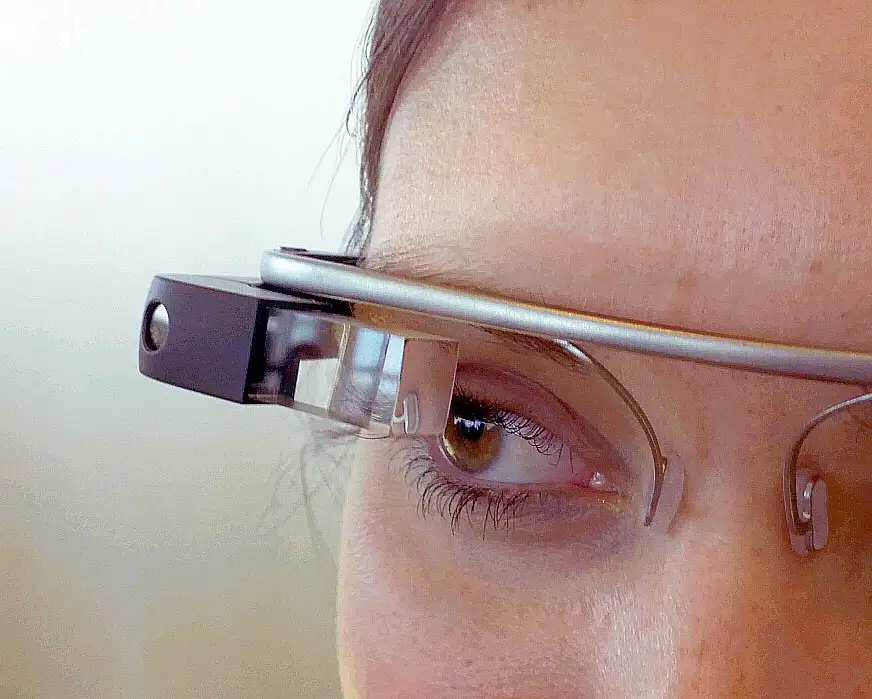
Google first unveiled Glass in April 2012 as part of its ambitious “Project Glass.” The idea was elegant: combine a compact head‑mounted display, a camera, sensors, and connectivity into a lightweight pair of glasses that could overlay digital information on the real world.
The pitch was seductive.
- Check emails, get directions, and see notifications without pulling out your phone.
- Record video from your point‑of‑view, share your experience live, or even translate signs on the fly.
- Use voice commands to search, call, and navigate—hands‑free, in real time.
On paper, that’s a killer use case. In practice, what consumers got in 2013 was a prototype‑grade device wearing a $1,500 price tag.
The Explorer Program: Hype Without a Clear Use Case
Google’s go‑to‑market strategy leaned heavily on the “Glass Explorer” program, an invite only, then expansion to the public beta that let tech enthusiasts pay a premium to test the device. While this built buzz and fueled social media spectacle, it also exposed a deeper problem: the product lacked a clear, compelling reason to exist for most people.
Smartphones already handled calls, messages, navigation, and web browsing. Glass complicated these tasks instead of simplifying them.
- Voice recognition was brittle in noisy environments.
- Camera quality lagged behind smartphones, and uploads were slow.
- The tiny display required constant learning of gestures, taps, blinking, and head movements, which felt fiddly rather than intuitive.
In other words, Glass didn’t offer a moonshot improvement over the iPhone or Android, it offered a slightly different, more awkward way to do the same thing.
Execution Gaps: Tech, Design, and Battery
From a product development standpoint, Google Glass suffered from significant execution gaps between its vision and the real‑world experience. Several recurring issues doomed its mainstream appeal:
Short battery life and poor ergonomics
Most Explorer‑edition users reported usable battery life of 3–5 hours under moderate use, far below what you’d expect from a daily driver device. If you wanted to record longer video clips, the battery could drain in minutes. Worse, there was little control over power‑draining features such as Wi‑Fi, Bluetooth, or screen brightness, frustrating more technical users.
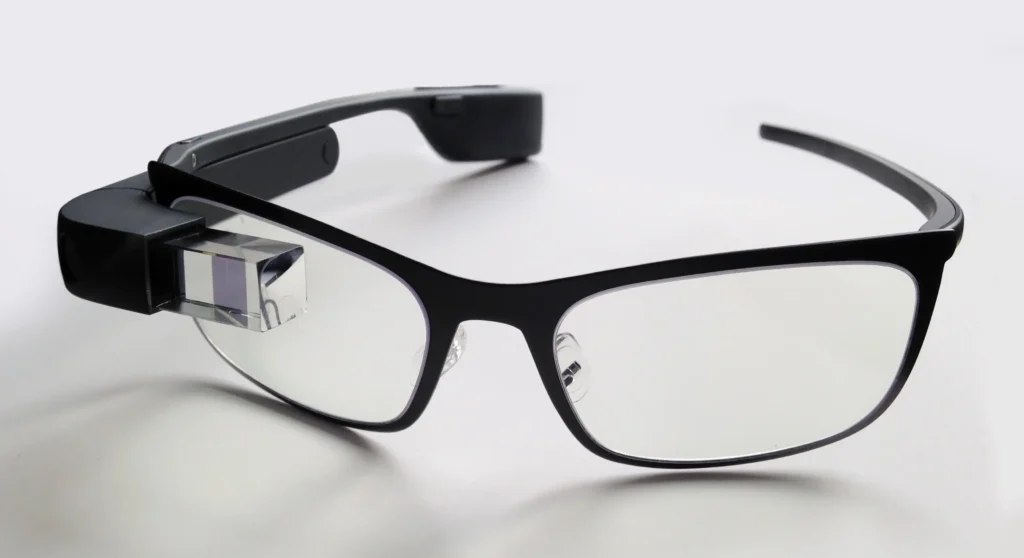
The industrial design also felt like a missed opportunity. The rigid frame couldn’t fold like normal glasses, making it awkward to carry around when not in use. The device looked bulky, robotic, and overtly “futuristic,” which turned off fashion‑conscious users and made wearers look like walking tech experiments.
Frustrating UX and limited apps
The user interface relied on a mix of voice commands (“OK Glass”), touch gestures on the side, and head movements. In theory, this sounded seamless; in practice, it often felt fragile. Voice‑to‑text errors could force users to restart entire messages, and the gesture‑based system wasn’t always reliable.
The app ecosystem stayed small and demo‑heavy: interesting concepts, but not enough “must‑have” tools to justify the cost or social friction. Without a killer app that solved a real, everyday pain point, Glass defaulted to being a novelty that quickly lost its charm.
Social Backlash and “Glassholes”
Perhaps nothing hurt Google Glass more than the cultural reaction it provoked. Because the camera and LEDs were highly visible, people immediately associated the device with covert recording and surveillance.
Bars, restaurants, gyms, and even entire cities began banning Glass‑wearers, fearing that patrons could be filmed without consent. Online, the term “glassholes” became a meme, mocking users who stood out both for their behavior and for wearing what looked like a walking social‑surveillance camera.
This backlash wasn’t just about aesthetics; it was about trust. Privacy concerns, especially in the post‑Snowden era, made people skeptical of any gadget that could record them at a glance. Google’s attempts to downplay those fears—through transparency features such as a recording‑indicator light on later enterprise models—came too late for the consumer version.
Price, Market, and Strategic Misfit
Google Glass arrived at a price point that screamed “developer toy” rather than “everyday wearable.” The Explorer edition cost $1,500, far above what mainstream consumers would pay for something that felt half‑finished. Even when prices dropped, the combination of weak hardware, limited software, and social friction never justified the cost.
From a product‑market‑fit perspective, several studies of Google Glass describe it as a classic example of strategic misfit. Google understood consumer behavior around search and mobile apps, but it underestimated how deeply personal a device worn on the face is.
- People care about appearance, comfort, and privacy more for eyewear than for phones.
- Google’s “move fast and break things” culture didn’t mesh well with a product that sat so close to identity and trust.
The company misjudged who its real audience was: not ordinary consumers, but niche professionals who could benefit from hands‑free information in specific workflows.
The Enterprise Pivot: A Quiet Renaissance
After consumer interest fizzled and the first‑generation Glass was quietly pulled from the mass market, Google quietly shifted its focus. Around 2014, a small team began working on Glass Enterprise Edition (EE), a lighter, more rugged, and better‑optimized version for industrial and logistics customers.
Enterprise Edition found a foothold in areas such as:
- Manufacturing (workers receiving step‑by‑step assembly instructions in their field of view).
- Logistics and warehousing (hands‑free scanning, order verification, and route guidance).
- Healthcare and field service (remote expert support, documentation, and data lookup).
Companies like Boeing, DHL, GE, and Volkswagen reported productivity gains and improved quality using Glass EE in controlled environments. A second‑generation Enterprise Edition 2, released in 2019, improved battery life, ergonomics, and customization, earning generally positive reviews from business users.
Yet even in this niche, Glass never scaled enough to justify long‑term investment. Limited demand, high cost, and a challenging macroeconomic environment eventually led Google to discontinue Glass altogether in recent years.
Too Early or Just Wrong?
Revisiting the original question: was Google Glass too early, or was it just wrong?
The “too early” argument
From a technological standpoint, Glass was arguably ahead of its time in several ways:
- AR‑driven contextual information in everyday life.
- Early‑stage voice‑first interfaces.
- The concept of a continuous, hands‑free computing layer over reality.
Today, successors such as AR‑enabled smart glasses, mixed‑reality headsets, and AI‑assisted wearables are trying to finish the job that Glass started. In that sense, the idea itself was not wrong; the hardware, software, and ecosystem hadn’t matured enough to deliver on the promise.
The “just wrong” argument
On the other hand, many of Glass’s problems were rooted in choices, not physics.
- An over‑hyped, full‑price launch on a prototype‑grade device.
- A design that prioritized novelty over comfort and social acceptability.
- A marketing strategy that positioned Glass as a “for everyone” status accessory, instead of as a narrow‑focus tool for specific professionals.
When you add privacy backlash, weak battery life, broken UX, and a poor price‑to‑value ratio, the failure starts to look less like “ahead of its time” and more like a misjudged product‑market fit.
Lessons for Future Wearables
Google Glass is less a cautionary tale about augmented reality and more a masterclass in how not to bring a socially sensitive, body‑integrated gadget to market. A few lessons stand out for today’s builders of AR glasses, hearables, and smart lenses:
- Start narrow, then scale. Target industries or workflows where hands‑free computing clearly improves efficiency, rather than hoping consumers will fall in love with a new interface.
- Respect privacy and optics. Design visible cues, policies, and software guards that make people feel safe—not surveilled—when they encounter your device.
- Match price to perceived value. A premium wearable must solve a real, painful problem better than a phone or tablet, or users will simply keep pulling out their existing devices.
- Don’t ship the demo as the product. Prototype features are fun; they become frustrating when they ship as a consumer‑facing product.
Google Glass on glitchback.com: Why It Still Matters
On glitchback.com, we’re less interested in whether Glass “failed” and more interested in what it tells us about the messy middle ground between a compelling idea and a real product. Google Glass was a glimpse into a future where the digital and physical worlds overlap, but it also showed how easily that future can sour when the tech, the design, and the social contract don’t line up.
Today’s AR glasses, smart glasses, and even AI‑driven camera wearables are still working through many of the same questions Glass raised a decade ago. In that sense, Google Glass may have been too early for the mainstream, but it was also too wrong in its original execution to become the everyday device Google imagined.