Write to us:
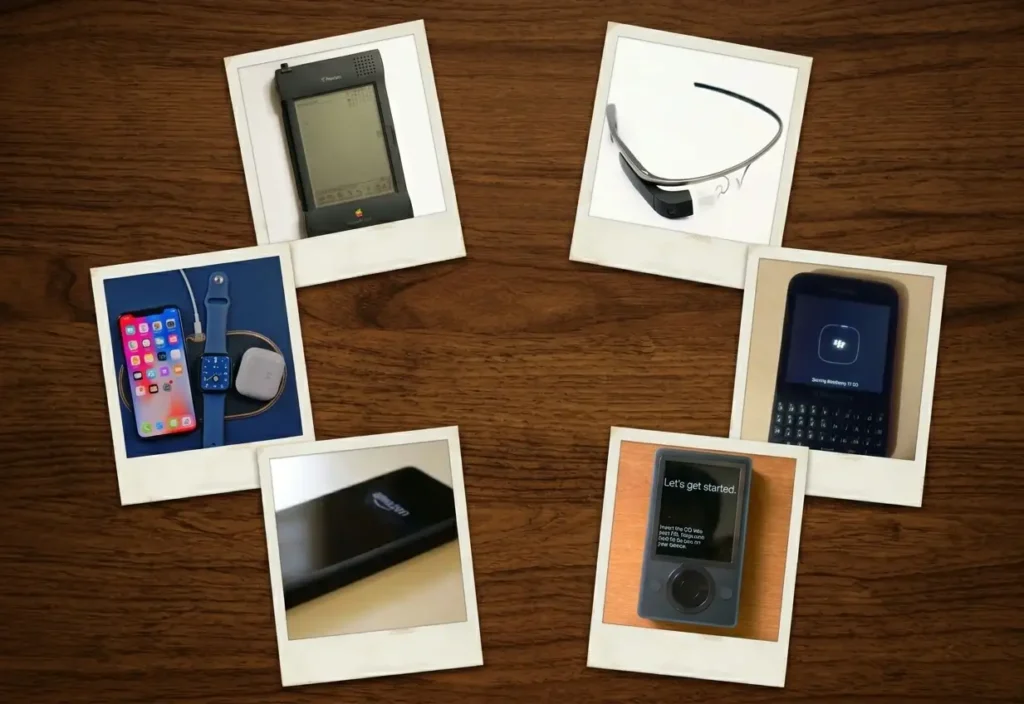

Tech history is littered with ambitious gadgets that promised to redefine our world but crashed into oblivion due to hubris, bad timing, or plain bad ideas. These 10 flops from giants like Apple, Google, and Amazon burned billions and became cautionary tales for innovators.
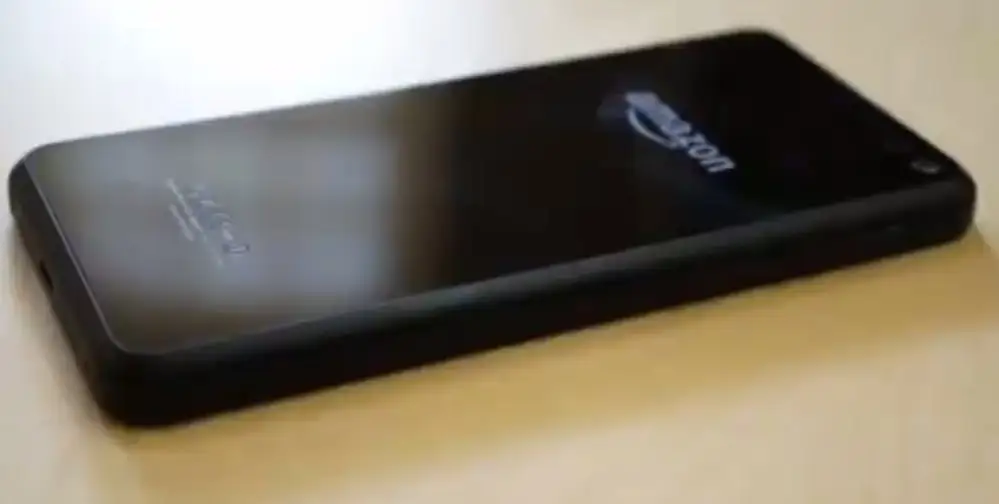
Amazon Fire Phone (2014)
Amazon entered the smartphone arena with the Fire Phone, boasting “Dynamic Perspective” via four front cameras for a gimmicky 3D interface without glasses. Priced at $650, it locked users into Amazon’s Appstore, excluding Google apps and offering a subpar ecosystem.
The 3D effects drained battery fast and felt pointless for daily use, while lacking a competitive camera sealed its fate. Amazon wrote off $170 million within a year, slashing prices and killing the product by 2015.
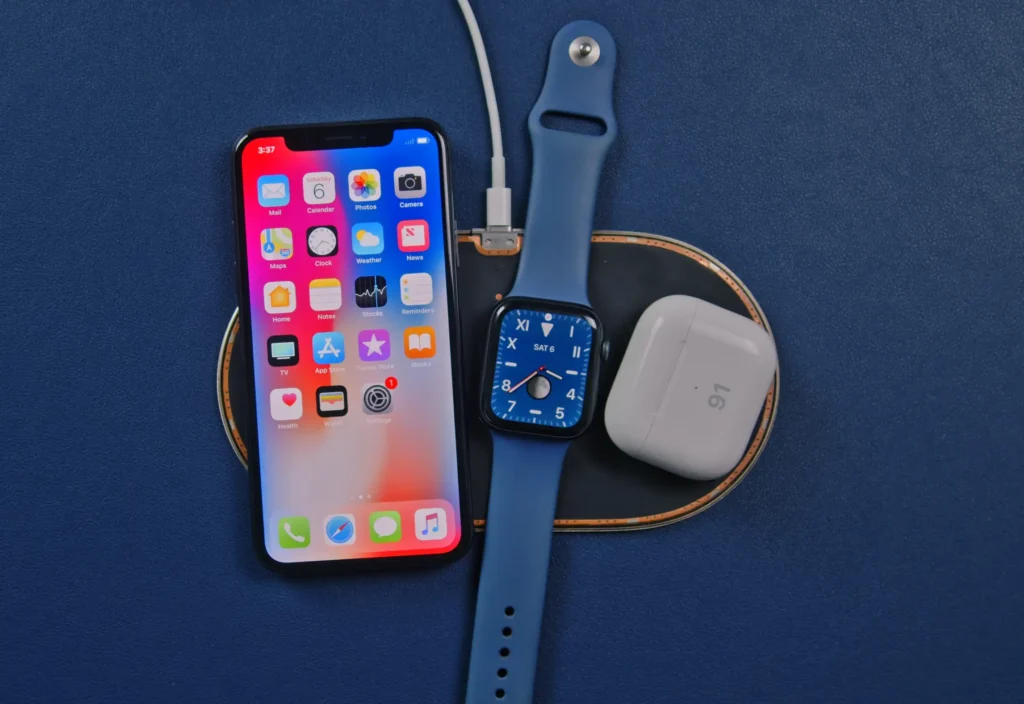
Apple AirPower (2017–2019)
Announced with fanfare, AirPower was Apple’s wireless charging mat to power iPhone, Apple Watch, and AirPods simultaneously anywhere on its surface. Dense overlapping coils caused overheating and efficiency woes, delaying it indefinitely.
After two years of silence, Apple canceled it in 2019, admitting it failed their standards. The idea influenced MagSafe, but AirPower remains a rare Apple retreat from hype.
Juicero Press (2016–2017)
This $400 WiFi-connected juicer scanned proprietary $5–$8 produce packs, raising $120 million from investors mesmerized by its Silicon Valley sheen. Viral videos revealed you could squeeze the same juice by hand, exposing it as over-engineered nonsense.
Lawsuits and mockery followed, Juicero shut down after 18 months, refunding customers. It symbolized VC-funded hype detached from real needs.
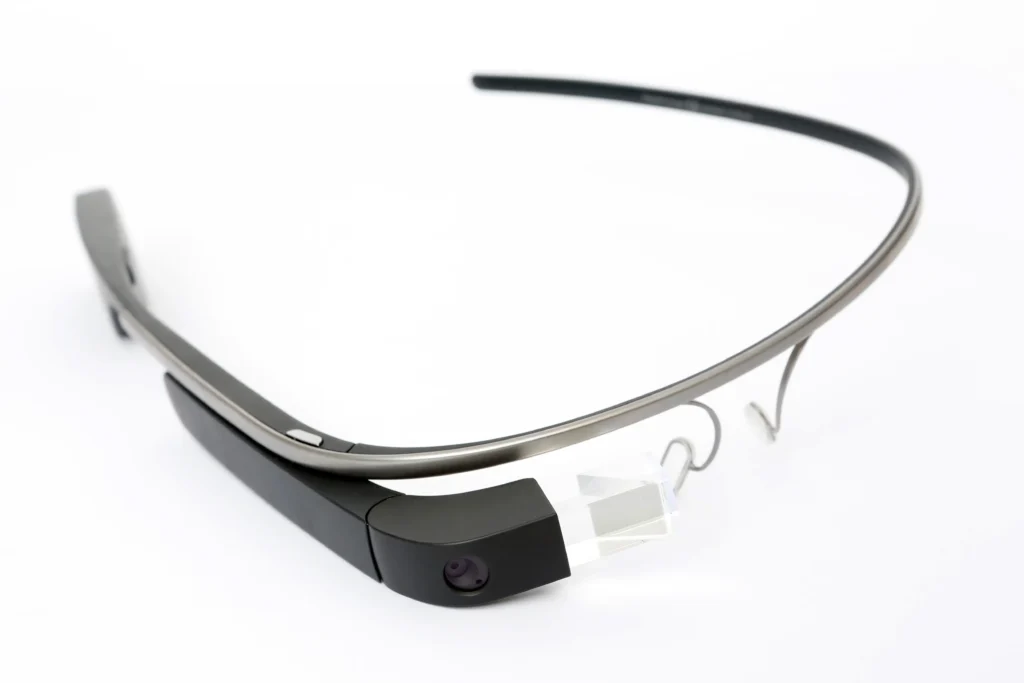
Google Glass (2013–2015)
Google’s augmented reality glasses aimed to overlay info on the real world via a heads-up display. At $1,500 for “Explorer” units, privacy fears (secret recording), short battery, and social awkwardness (“Glassholes”) tanked consumer appeal.
Banned from bars and theaters, Google pivoted to enterprise versions but killed the consumer model in 2015. It pioneered AR but taught wearables need subtlety.
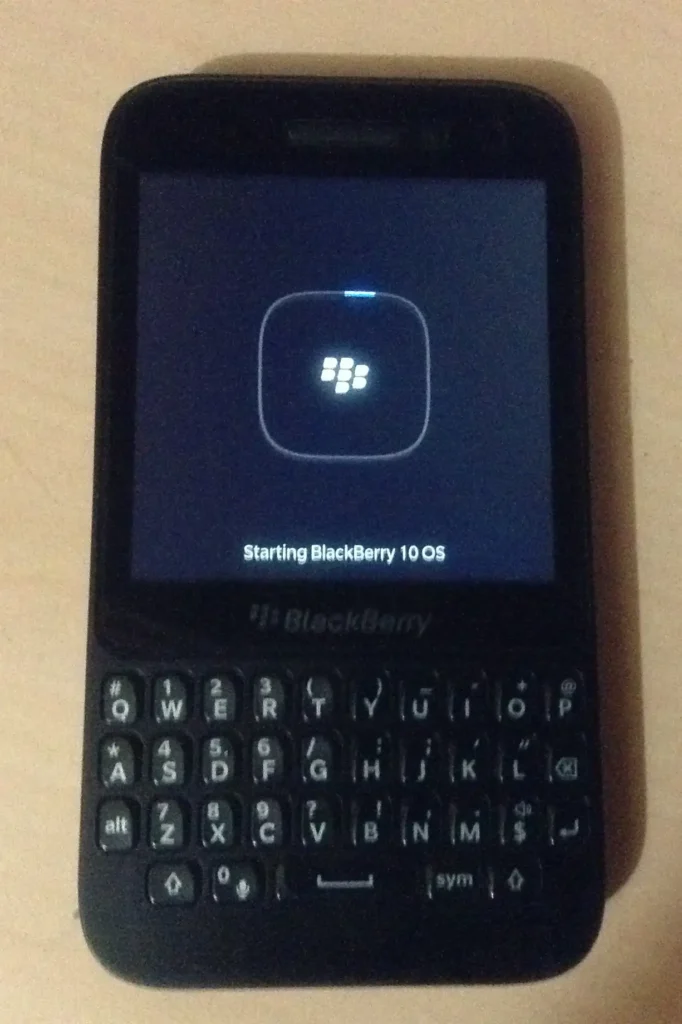
BlackBerry 10 (2013)
Once smartphone kings for secure email, BlackBerry launched its 10 OS and devices to reclaim glory post iPhone dominance. Clunky keyboards, late app ecosystem, and missing hits like Instagram failed to lure users back.
Consumers ignored it, BlackBerry exited hardware by 2016, licensing the brand. Peak market share plummeted from 20% to under 1%.
Samsung Galaxy Note 7 (2016)
The Note 7 debuted with a stunning edge-screen and iris scanner, but batteries caught fire from manufacturing defects, causing explosions mid-flight or in pockets. Samsung recalled 2.5 million units after two waves of fires.
Global bans and a $5 billion hit forced permanent discontinuation. It scarred Samsung’s rep but spurred industry-wide battery safety reforms.
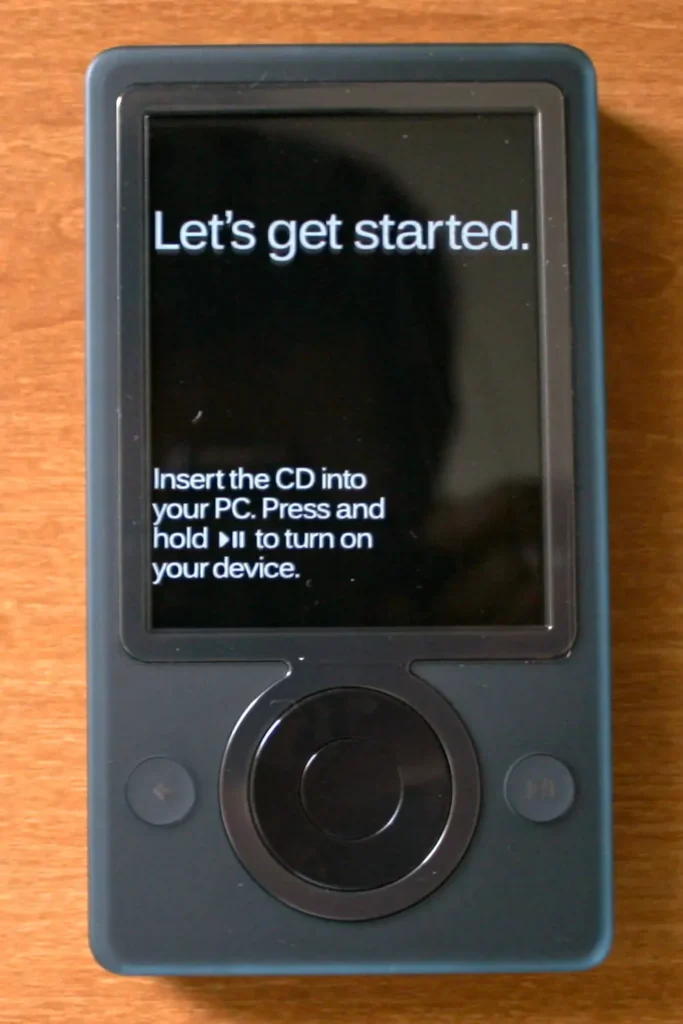
Microsoft Zune (2006–2011)
Microsoft’s iPod rival featured a larger screen, FM radio, and wireless sharing, but launched buggy with restrictive DRM and ugly marketing. It peaked at 2% U.S. market share amid iTunes dominance.
Revamps failed, Microsoft axed it in 2011. Zune became a punchline, highlighting execution flaws against Apple’s ecosystem lock-in.
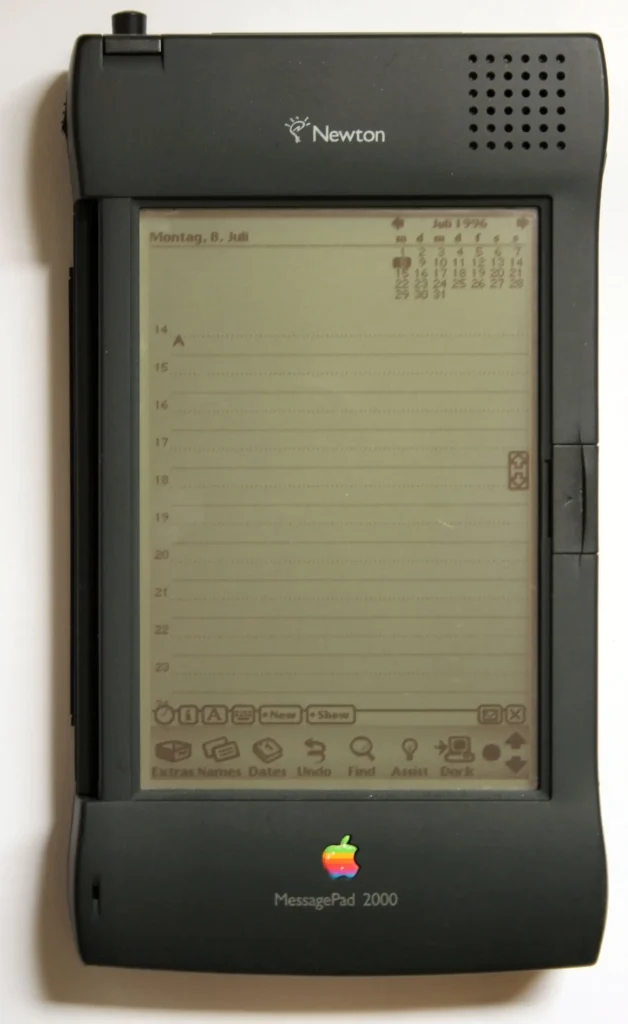
Apple Newton MessagePad (1993–1998)
Apple’s pioneering PDA offered handwriting recognition and email years before PalmPilot. Glitchy scrawled-to-text conversion (“pen computing”) and $700 price flopped amid recession.
Sold under 200,000 units, canceled in 1998. It inspired the iPhone’s touch tech but bled cash during Apple’s near-bankruptcy era.
Theranos Edison Machines (2003–2015)
Theranos hyped blood-testing devices needing just finger pricks for hundreds of tests, valued at $9 billion. Results were fabricated or wildly inaccurate, fooling investors like Walgreens.
SEC fraud charges shut it down in 2018; founder Elizabeth Holmes convicted. It exposed biotech hype’s dangers in personalized health tech.
Google+ (2011–2019)
Google’s “social connect everything” rival to Facebook launched with real-name policies and integration across services. Sparse features, privacy bugs exposing 500,000 profiles, and forced Android logins repelled users.
It amassed 500 million users but zero engagement; shuttered after $1 billion+ spend. Google learned siloed social can’t force network effects.
Lessons from the Wreckage
These failures often stemmed from tech dazzle over user needs, like Fire Phone’s 3D or Juicero’s connectivity. Common pitfalls: ignoring ecosystems (Zune, BlackBerry), safety oversights (Note 7), or unmet hype (Glass, AirPower).
Yet many birthed successes – Newton to iPhone, Glass to AR enterprise. For glitchback.com readers nostalgic for tech’s wild early days, these remind us: innovation thrives on reality checks, not just venture dreams.