Write to us:
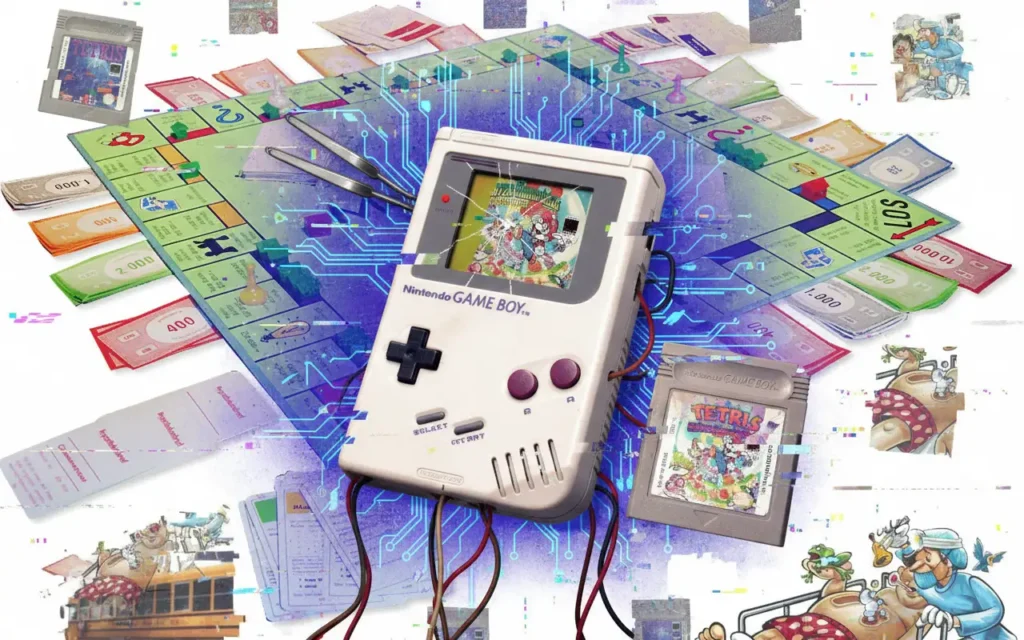

Before online gaming raids, battle passes, and endless touchscreens, childhood meant gathering around a rickety table with a dusty box and a rulebook nobody bothered to fully read. These classic board games and one game changing handheld didn’t just fill rainy afternoons, they shaped generations, sparked epic family feuds, and in some cases, rescued billion-dollar toy companies from the brink.
If you’re chasing that 80s and 90s nostalgia hit, dive into the childhood games that changed everything. From Monopoly’s cutthroat capitalism to the Game Boy‘s portable revolution, these timeless toys taught us strategy, betrayal, and joy without a single subscription. Let’s rewind and rediscover why they still matter today.
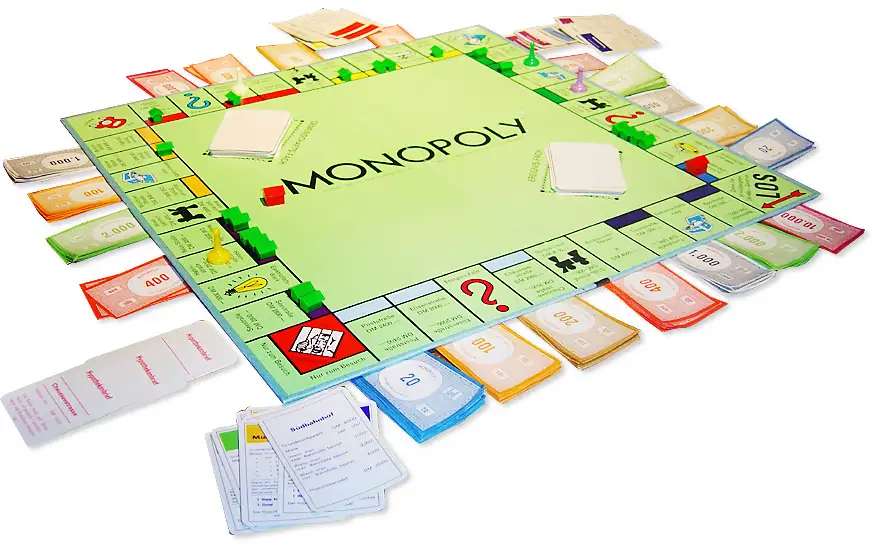
Monopoly: The Capitalist Nightmare That Saved Parker Brothers
It’s 1903, and Elizabeth Magie invents The Landlord’s Game as a sharp critique of monopolies and wealth inequality, think board game as socialist manifesto. Fast-forward to the Great Depression, when families were losing homes left and right. Enter Charles Darrow, who tweaks it into the Monopoly we know, selling it to Parker Brothers in 1935.
Boom. It explodes. Struggling households found bizarre therapy in fake bankruptcies, hotel empires, and “Go to Jail” cards. Monopoly didn’t just survive the era, it became Parker Brothers’ financial lifeline, turning the company into a toy industry giant.
Fun facts to blow your mind:
- The longest recorded Monopoly game lasted a whopping 70 days.
- Today, there are over 300 officially licensed editions worldwide, from Star Wars to Fortnite themes.
It’s the only game where bankrupting your siblings is family tradition.
Operation: The First Electric Anxiety Simulator (and Cavity Sam’s Buzzing Legacy)
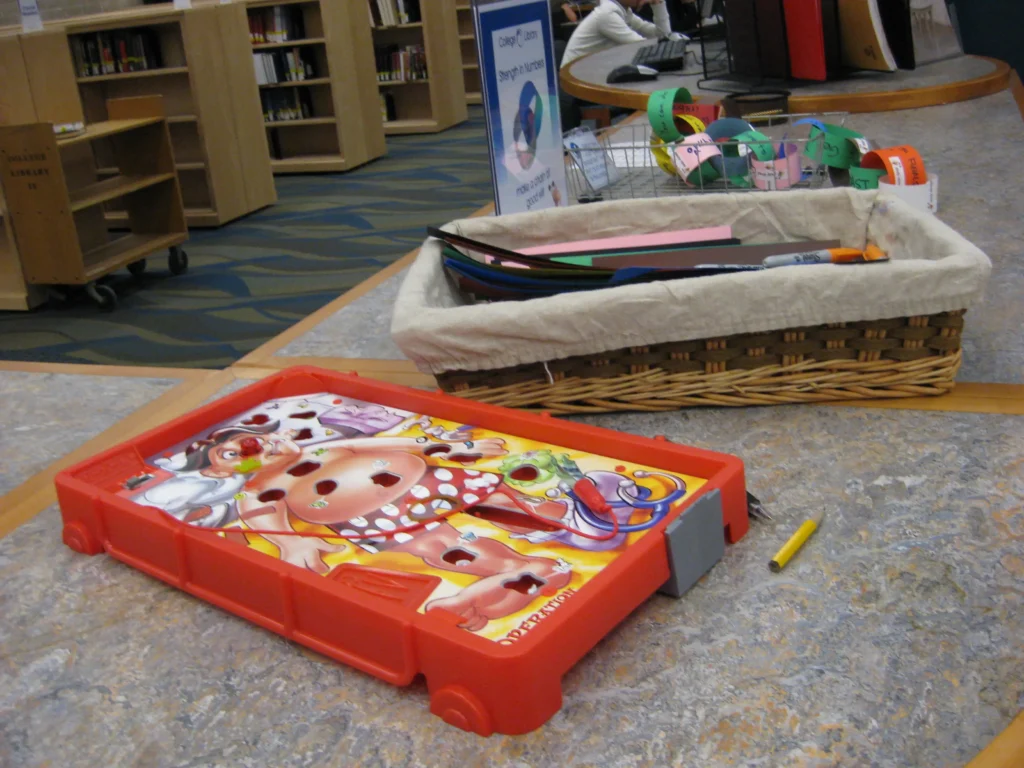
It all started in 1962 with John Spinello, an Industrial Design student at the University of Illinois, who prototyped Death Valley: players guided a metal rod through holes in a metal plate, triggering an alarm bell on contact. Marvin Glass snapped up the rights for just $500, reimagining it as Operation for Milton Bradley in 1965 and raking in millions over the decades. It became one of the first mass market battery powered board games.
That iconic buzzing nose? Pure genius. Kids (and stressed out parents) steadied tweezers to extract “Funny Bone” or “Spare Ribs” from Cavity Sam, the hapless patient with a red nose that lit up on failure. It wasn’t just hilarious, it revolutionized play by injecting electronics into analog fun, paving the way for tech toys long before video games dominated.
Tragically, Spinello saw no further payout from Milton Bradley. But after Hasbro acquired the company, they stepped up: “Today we informed Mr. Spinello that Hasbro plans to purchase the prototype with the hope that the funds will help to defray his medical costs,” they told ABC News. The prototype now shines at Hasbro’s Pawtucket, RI headquarters, honoring his spark of genius.
Operation bridged the gap from wooden blocks to blinking lights, helping Milton Bradley evolve into a modern powerhouse. Precision under pressure? This childhood board game nailed it.
Risk: World Domination in a Cardboard Box
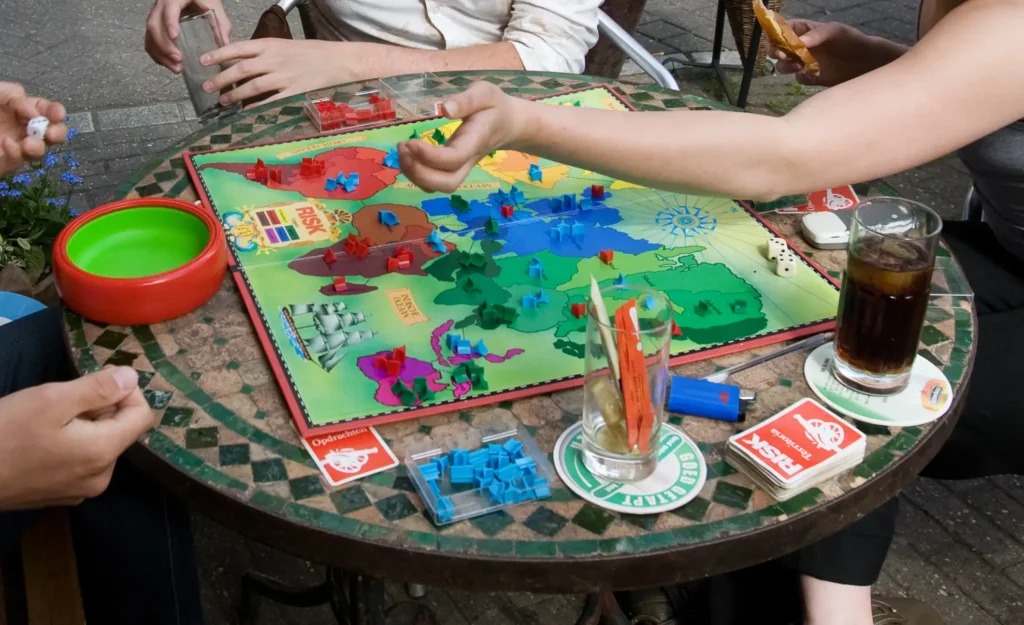
Invented in 1957 by Albert Lamorisse in France, Risk stormed American tables in the 60s and became a staple of 80s sleepovers. This wasn’t kiddie stuff, it demanded long form strategic gameplay, territory grabs, and army reinforcements via dice.
Complex? Brutal? Absolutely. It normalized betrayal (sorry, bro) and proved families craved depth beyond Candy Land. Risk laid the groundwork for modern strategy gaming, influencing tabletop war sims and even early PC titles like Civilization.
Grab the continents, fortify your borders, and remember: Alliances break faster than cardboard.
Clue (Cluedo): Murder Mystery Before True Crime Podcasts
Born in the UK during WWII blackout boredom, Clue (or Cluedo across the pond) arrived in 1949, turning deduction into prime time family entertainment. Was it Colonel Mustard in the library with the candlestick? Players pieced together alibis, weapons, and rooms like mini detectives.
It wasn’t about luck, it was storytelling through elimination. Clue pioneered narrative driven gameplay, foreshadowing RPGs, escape rooms, and today’s true crime obsessions. No wonder it shaped a generation of armchair sleuths.
Pro tip: Always suspect the butler.
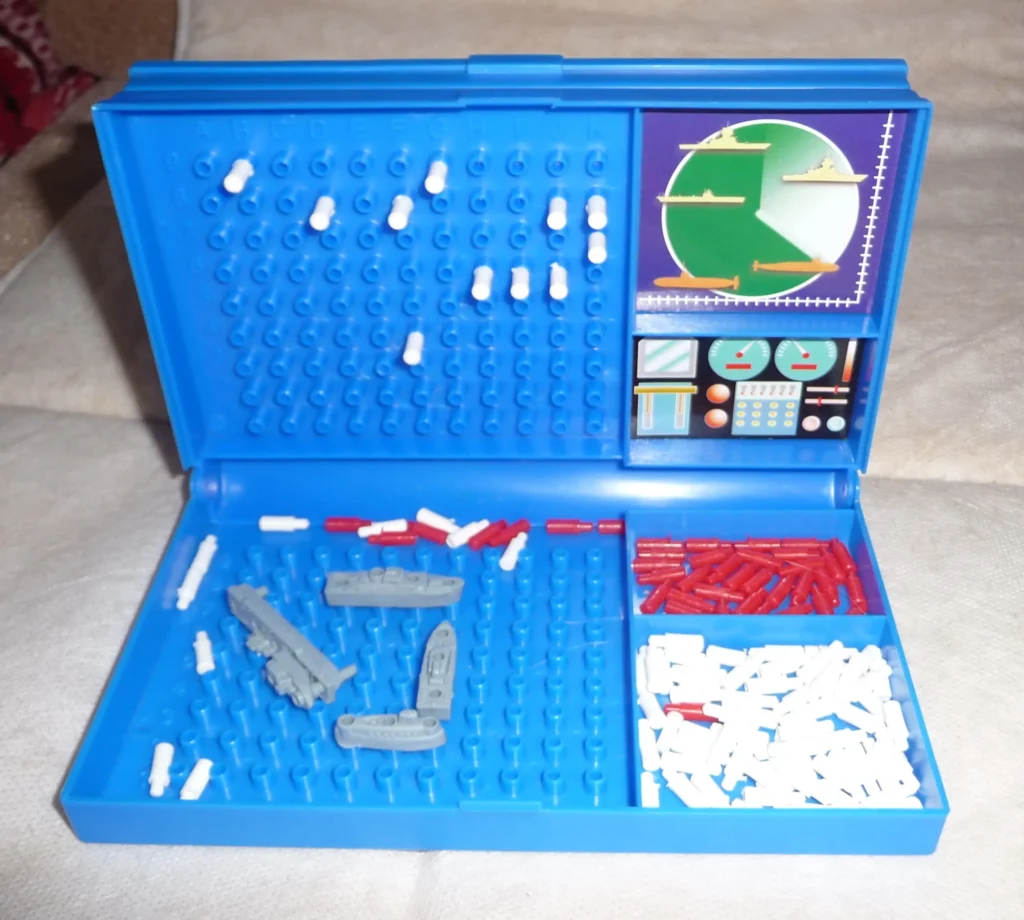
Battleship: The Original Tactical Strike Game
“Sunk!” That triumphant yell defined 70s and 80s playtime. Battleship started as a simple pencil and paper naval battle in the 1930s, evolving into a plastic pegboard classic by the 60s. Milton Bradley‘s 1980s electronic version with beeps and lights, blurred board game and gadget lines.
It mastered hidden information mechanics, tactical guessing, and reading your opponent’s poker face. Peg those carriers and destroyers, this game trained us in psychological warfare before multiplayer lobbies existed.
Guess Who?: Social Deduction Lite for Budding Logicians
Simple flip open board, 24 faces, and a barrage of yes/no questions: “Does your person have a mustache?” “Are they bald?” Guess Who? (1979) turned kids into deduction machines, teaching elimination logic and face-reading without a single app.
It was baby level data narrowing, proto-AI training wheels for pattern spotting. Who knew narrowing suspects could be this addictive? Pure 80s genius in a yellow box.
Uno: The Most Dangerous Family Card Game Ever Made
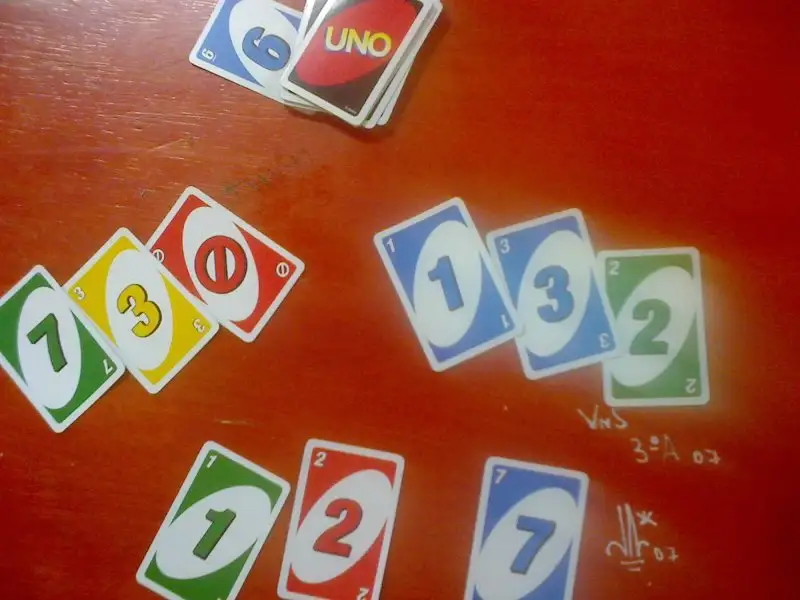
Merle Robbins, a Ohio barber, invented Uno in 1971, mortgaging his home to print 5,000 decks. Mattel bought it in 1972, and chaos ensued. Simple rules, match colors or numbers, slap a Draw Four for revenge, hid rounds of high emotional damage.
Fast, furious, and betrayal packed, Uno proved you don’t need complexity for chaos. It went global, spawning house rules that still spark holiday fights. No table complete without those wild cards.
Game Boy: The Portable Revolution That Outlasted Flashier Rivals
Not strictly a board game, but ignoring the 1989 Game Boy dishonors childhood history. Nintendo bundled it with Tetris, and poof, portable gaming was born. It outsold flashier competitors like Atari Lynx thanks to unbeatable battery life (15-30 hours on AA batteries), tank like durability, and gameplay-first design.
Over 118 million units sold. Gray brick in hand, we braved car trips and schoolyards. It proved graphics don’t trump fun shaping mobile gaming before smartphones stole the show.
Why These Childhood Games Still Matter Today
These nostalgic childhood games weren’t filler, they wired our brains. Monopoly honed negotiation, Operation demanded precision under stress, Risk built strategic planning, Guess Who? sharpened logical elimination, Uno fueled pattern recognition, Battleship mastered tactical prediction, Clue wove narratives, Game Boy sparked portability.
They hark back to an era of no updates, no DLC, no server shutdowns. Just durable cardboard, plastic, dice, and glorious arguments. In a world of microtransactions, they remind us play should be timeless.
The Billion-Dollar Business Impact Behind the Nostalgia
Dig deeper, and these games were corporate saviors:
- Monopoly rescued Parker Brothers during the Depression.
- Operation reinvented Milton Bradley with electronics.
- Game Boy defined Nintendo’s portable empire.
They introduced tech to toys, defined decades, and proved analog magic endures. Before Fortnite forts or Roblox realms, Christmas boxes under the tree changed everything.