Write to us:
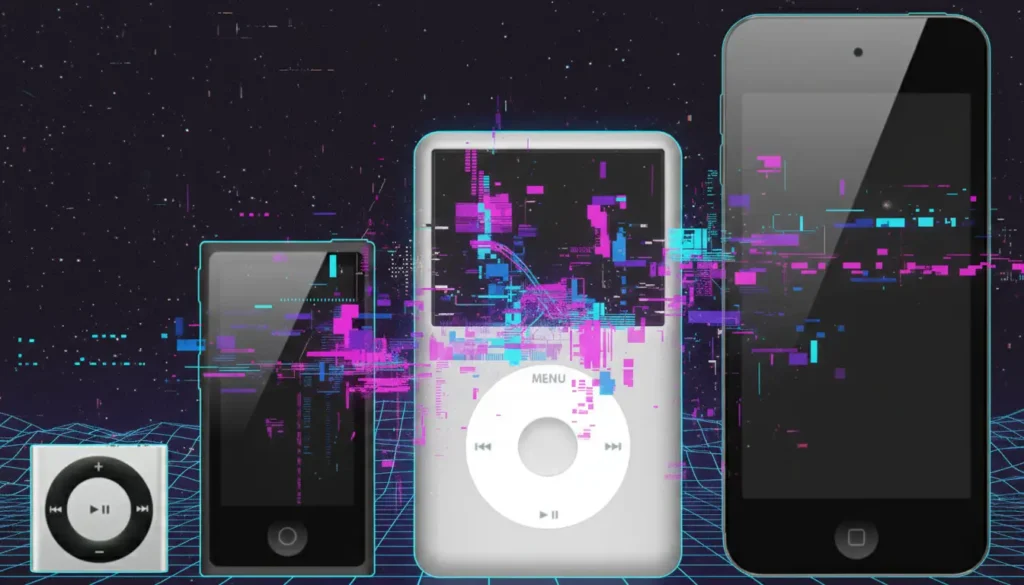

There was a time when music didn’t live in the cloud. It lived in your room, in towering CD stacks, scratched jewel cases, and meticulously labeled burned discs. You lugged it around in bulky players that skipped at the slightest jog. Then, in 2001, everything flipped.
When Steve Jobs strode onstage and unveiled the iPod, he didn’t drop just another gadget. He sparked a revolution in how we lived with music. His pitch? Simple, audacious: “1,000 songs in your pocket.” It sounded like sci-fi. It felt impossible. Yet it reshaped consumer tech forever, birthing the iPod history we still feel in every smartphone today.
Before the iPod: A World of Skips and Scratches
Remember the late 1990s and early 2000s portable music scene? It was a grind.
- CD players dominated but betrayed you mid stride, skipping tracks like a nervous tic.
- Early MP3 players squeezed in 20–50 songs max, with clunky interfaces and transfer times that tested your patience.
- Storage? Tiny and pricey, flash memory cost a fortune, and hard drives were desk bound luxuries.
- File swapping via Napster was thrilling but chaotic, leaving you with mismatched bitrates and endless ripping sessions on your beige PC.
Digital music bubbled up, but the vibe was messy. No one nailed the full package. Apple didn’t invent the MP3 player, they watched competitors fumble, then perfected it. The original iPod arrived right on time, October 23, 2001, amid post 9/11 uncertainty, offering escapism in a sleek white box.
2001: The Original iPod Launch That Redefined Portability
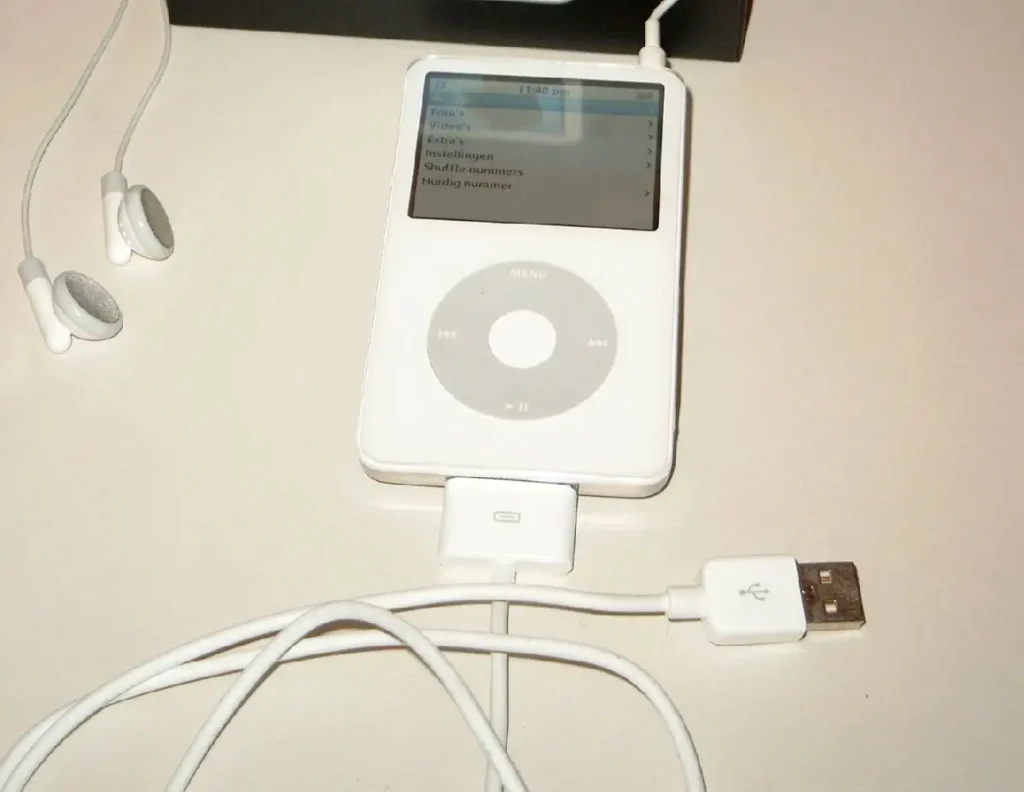
The first iPod hit stores at $399, a steep ask when median salaries hovered around $40K. Specs were no frills but game changing:
- 5GB hard drive: That promised 1,000 CD-quality songs (at 128kbps MP3s).
- 10-hour battery life: Outlasted any Walkman.
- FireWire port: Blazing fast transfers (up to 400Mbps, your PC’s USB 1.1 wept).
- Mac only at launch: A bold bet on Apple’s faithful.
- 17-button remote and crisp monochrome screen for that premium feel.
What set it apart? Elegance. The mechanical scroll wheel let you zip through libraries like silk spin to your heart’s content, hear the satisfying clicks. Paired with iTunes, it forged the first seamless ecosystem: rip, sync, play. No more jewel-case Tetris.
Sales started slow, 125,000 units by year end, but word spread. Tech reviewers raved, early adopters preached. By 2002, Windows compatibility sealed the deal. The Steve Jobs iPod moment wasn’t hype, it was prophecy.
The Click Wheel Era: When Design Became Culture
Apple iterated fast, turning the iPod into a cultural juggernaut. The iPod click wheel evolved from mechanical to touch sensitive bliss, defining tactile joy.
- iPod Mini (2004): Shrunk to keychain size with 4GB (1,000 songs again!), anodized aluminum in candy colors (blue, green, pink, gold). It flew off shelves (over 1 million in the first month), morphing from tech to fashion. Celebs like Paris Hilton flaunted them, suddenly, your playlist screamed style.
- iPod Nano (2005): Ditched spinning hard drives for flash memory, thinner than a pencil, shatterproof, with color screens. The 2nd-gen’s tiny video playback crushed skeptics.
- iPod Classic (up to 2009): Ballooned to 160GB, holding 40,000 tracks. Video, games, even audiobooks. It was your entire music universe.
Those white earbuds? Instant status symbols. Spot them bobbing on a subway, and you knew: this person got it. The click wheel’s rhythm, whir, click, select became muscle memory, a physical poem to browsing. iPod ads with silhouette dancers cemented it: music as movement, identity as vibe. By 2005, iPods owned 75% of the portable market.
The Cultural Shift: From Albums to Playlists
The iPod didn’t just upgrade hardware, it rewired our brains.
Before iPod life:
- Albums ruled, you endured filler tracks.
- Skipping meant fumbling buttons.
- Music was physical: cassettes, discs, boomboxes.
After:
- Playlists exploded: “Gym Rage,” “Rainy Days,” “First Date Jitters.”
- Shuffle mode birthed serendipity, Red Hot Chili Peppers into Björk, absolutely Genius.
- Personal soundtracks for everything: road trips with Springsteen, breakups via Taylor Swift, study grinds with lo-fi beats.
Your iPod was personality in pocket form. Gym rats packed pump-up anthems, commuters curated commutes. It democratized DJing, turning listeners into curators. Socially, it sparked convos, “What’s on your iPod?” became a pickup line. For Gen Y and millennials, it defined adolescence: first crushes synced to mixtapes 2.0.
The iPod Touch: The Bridge to the Future
2007 brought the iPod Touch, dropping weeks after the iPhone. It blurred lines:
- Multitouch glass screen: Pinch, swipe, pure magic.
- Wi-Fi connectivity: Surf the web, check email.
- Safari browser and App Store (launched 2008): Games like Tap Tap Revenge hooked millions.
- 8GB–64GB storage: Music + media supercharged.
Priced at $299, it was an iPhone minus phone bills, perfect for teens dodging data plans. Suddenly, your music player gamed, browsed, connected. It prepped us for smartphones, proving touch interfaces scaled. Over 100 million Touch units sold, paving the App Store’s $100B+ empire.
How the iPod Saved Apple from the Brink
Flash back: Late ’90s Apple teetered on bankruptcy. iMac helped, but it was niche. Enter iPod, Apple’s phoenix.
- Mainstream breakthrough: Pulled in non Mac users (Windows iTunes in 2003 exploded adoption).
- Revenue rocket: $100M first year; $8.5B by 2006. iPod profits funded iPhone R&D.
- Loyalty lock-in: Ecosystem trapped users, buy iPod, love iTunes, crave more Apple.
- Cultural cachet: Revived Steve Jobs’ mystique post NeXT exile.
No iPod, no iPhone dominance. No App Store gold rush. Modern tech? Unrecognizable. As Jobs said, “iPod was the walk up song to the iPhone.”
Fun Facts: Untold iPod History Gems
- Over 450 million iPods sold worldwide – more than some countries’ populations.
- Original prototype? Cobbled in under a year by a 20 person skunkworks team.
- Shuffle didn’t just randomize, it reshaped discovery users found hidden gems in bloated libraries.
- Diehards today hoard 100+GB offline collections, dodging spotty streams.
- Final bow: iPod Touch (7th gen) axed in 2022 after 21 years, no fanfare, just a webpage update.
These nuggets highlight why iPod nostalgia endures.
The Slow Fade: Why iPods Vanished
Smartphones ate their lunch. By 2010:
- Streaming (Spotify 2008, Apple Music 2015) nuked ownership.
- Cloud storage made local libraries obsolete.
- Wireless earbuds (AirPods 2016) ditched cords.
iPhone 3GS crushed Nano sales, Touch lingered for budget app access. May 10, 2022: Official discontinuation. No keynote tears, just “no longer available.” An era zipped shut.
Why the iPod Still Matters in 2026
We stream billions instantly, but iPod’s DNA pulses everywhere:
- Effortless digital music: Birth of UX polish intuitive, addictive.
- User experience pinnacle: Click wheel begat swipe gestures.
- Early 2000s optimism: Tech as liberator, not surveillance.
- Apple ecosystem seed: iTunes to Services empire.
It handed us control: curate when, what, how. Not just 1,000 songs, but your world, pocket sized.
Final Thoughts: iPod as Time Capsule
The iPod’s gone, but echoes in every playlist, every scroll. It wasn’t mere music playback. It was freedom, identity, the thrill of curating your universe amid Y2K glow. For those who spun that wheel, felt the glow of that screen and hit play on personal anthems, it captured a moment. Pure, portable magic.