Write to us:
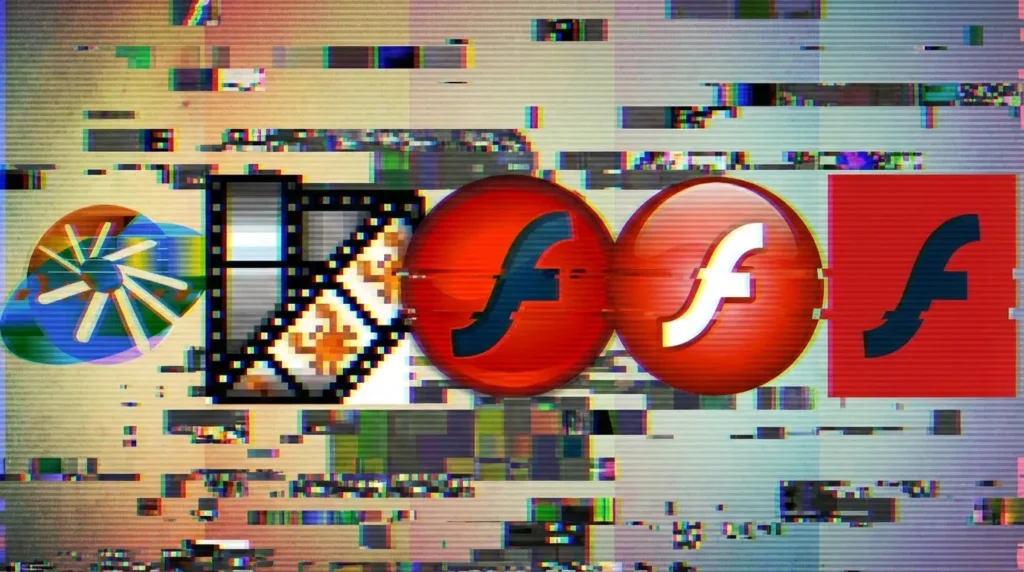

Remember the wild, interactive web of the late 90s and early 2000s? Those dazzling splash pages with swirling animations, mini-games that ate your office hours, and sound effects that blared through tinny PC speakers? Yeah, that was all Adobe Flash, the king of web multimedia that turned static HTML into a playground. From Homestar Runner cartoons to browser based shooters like Shockwave Flash classics, Flash defined the internet’s golden age of creativity.
But by 2020, it was dead. Browsers blocked it, Adobe pulled the plug, and the web moved on to HTML5. What happened to the plugin that powered an era? This is the full story of Flash’s meteoric rise, cultural dominance, security nightmares, and dramatic sunset. Buckle up for a nostalgic deep dive into early web tech history, perfect for anyone who’s ever clicked “Allow ActiveX?” one too many times.

Flash’s Humble Beginnings: From SmartSketch to Web Superstar (1990s)
Flash didn’t start as a web tool. It began life in 1990 as SmartSketch, a vector drawing program for the Macintosh created by Jonathan Gay and his FutureWave team. Imagine this: clunky computers, no smartphones, and designers craving smooth, scalable graphics without the pixel-blasting heft of bitmaps.
- In 1993, SmartSketch evolved into Backyard, but the real pivot came in 1995 with FutureSplash Animator. This tool let animators create lightweight, vector based animations that could run on low-bandwidth connections, revolutionary for the dial-up era.
- Netscape and Macromedia (who acquired FutureWave in 1996) saw the potential. They rebranded it Macromedia Flash and released Flash 1.0 in 1996. It shipped as a plugin for Netscape Navigator, promising “vector animations under 100KB.”
Early adopters went nuts. Websites like Blue Mountain Arts (remember those cheesy e-cards with dancing snowflakes?) and music sites embedding MP3 players made Flash a must have. By Flash 3 (1998), it supported ActionScript, a simple scripting language that turned animations into interactive apps. Suddenly, your browser could host quizzes, menus, and even proto games.
Nostalgia Alert: If you grew up in the 90s, Flash was your first taste of “web cool.” It made the internet feel alive, bridging the gap between TV and PC.
The Peak of Flash Empire: Dominating the 2000s Web (2000–2010)
Flash hit warp speed in the 2000s. Adobe acquired Macromedia in 2005, turbocharging development. Flash Player became ubiquitous, 95% of internet users had it installed by 2005. It wasn’t just animations; Flash powered the web’s multimedia backbone.
Flash in Pop Culture: Games, Cartoons, and Viral Hits
Flash birthed internet legends:
- Homestar Runner (2000–2010): Matt Chapman’s absurd animations like Strong Bad Emailsracked up millions of views, defining early web humor.
- Newgrounds and Albino Blacksheep: Hubs for Flash games like Pico’s School and Fancy Pants Adventures. These free browser titles influenced indie gaming—think precursors to Super Meat Boy.
- Viral sensations: The dancing hamster (Hampster Dance, 1998) and Potter Puppet Palsshowed Flash’s power for quick, shareable content.
Even big media jumped in. Adult Swim used Flash for shows like Aqua Teen Hunger Forcebumpers. Music videos? MySpace pages blinged out with Flash intros. Flash Video (FLV) format streamed YouTube’s early clips before HTML5 stole the show.
Flash in Everyday Web Life
Beyond fun, Flash was practical:
- E-commerce splash pages: Amazon and eBay used it for dynamic menus.
- Corporate sites: Interactive demos, like car configurators from BMW.
- Social media: Facebook and MySpace relied on Flash for chat and profiles.
Stats tell the tale: By 2008, over 80% of Fortune 500 sites used Flash. ActionScript 3.0 (2006) added object-oriented programming, making Flash viable for RIAs (Rich Internet Applications) like photo editors rivaling desktop software.
Fun Fact: Flash enabled the first “web apps.” Tools like Sumo Paint let you doodle online, foreshadowing Canvas and WebGL.

The Cracks Appear: Security Woes and Mobile Mayhem (2008–2012)
Flash’s empire cracked under its own weight. It was a plugin requiring downloads, updates, and permissions, which clashed with the evolving web.
Security Nightmares: Hackers’ Playground
Flash became exploit central:
- Zero-day vulnerabilities: Over 1,000 CVEs by 2015. Attackers loved its sandbox escapes.
- High-profile hacks: In 2009, a Flash flaw hit Twitter; 2010’s Operation Aurora targeted Google via Flash.
- Adobe’s response? Constant patches, but users ignored updates. By 2011, Flash drove 80% of browser exploits.
Flash was like leaving your house keys under the doormat, convenient, but a thief’s dream.
The iPhone Kill Shot: No Mobile Love
Steve Jobs dropped the hammer in 2010 with his open letter “Thoughts on Flash“. Key gripes:
- Battery drain: Flash animations guzzled power.
- Touch incompatibility: Built for mouse/keyboard, not fingers.
- “80% of video errors on mobile come from Flash.”
iOS banned Flash plugins. Android followed suit by 2012. Web traffic shifted mobile Flash sites looked broken or prompted endless installs. Developers scrambled, but Flash’s plugin model couldn’t adapt.
The Inevitable Decline: HTML5 Rises, Flash Falls (2010–2020)
Adobe tried fixes: Flash Player 11 added Stage 3D for GPU acceleration, competing with WebGL. But the tide turned.
- HTML5 Canvas and WebGL (2011+): Native browser tech for animations, video (<video>tag), and 2D/3D graphics, no plugins needed.
- Google’s Chrome push: In 2010, Chrome began auto-updating plugins; by 2015, it deprecated NPAPI (Flash’s backbone).
- Browser bans: Firefox, Edge, Safari phased it out. By 2017, Chrome blocked Flash by default.
Adobe waved the white flag in 2017: End-of-life announced for 2020. They’d invest in HTML5 tools like Animate CC instead.
Cultural Fallout: What We Lost (and Gained)
Flash’s death orphaned gems:
- Flashpoint Archive: A fan project preserving 150,000+ games and animations offline.
- Lost interactives: Early news sites’ simulations, like BBC’s 9/11 recreations.
But gains? A leaner, safer web. Netflix and Spotify thrived on HTML5 video. Games moved to Unity WebGL. Mobile first design exploded.
Flash’s Legacy: Echoes in Today’s Web and Nostalgia Boom
Flash wasn’t just tech, it shaped internet culture. It democratized creation: Bedroom animators rivaled studios. Without it, no early YouTube, no viral memes, no browser gaming craze leading to Steam.
Today:
- Retro revivals: Sites like Flash Museum host classics.
- Modern heirs: Three.js for 3D, GSAP for animations.
- Nostalgia economy: Podcasts like Flash in the Pan and books (Flash Boys nods aside) celebrate it.
Flash’s fall taught us, plugins die, standards endure. Yet it reminds us of the web’s playful roots, before algorithms ruled.