Write to us:
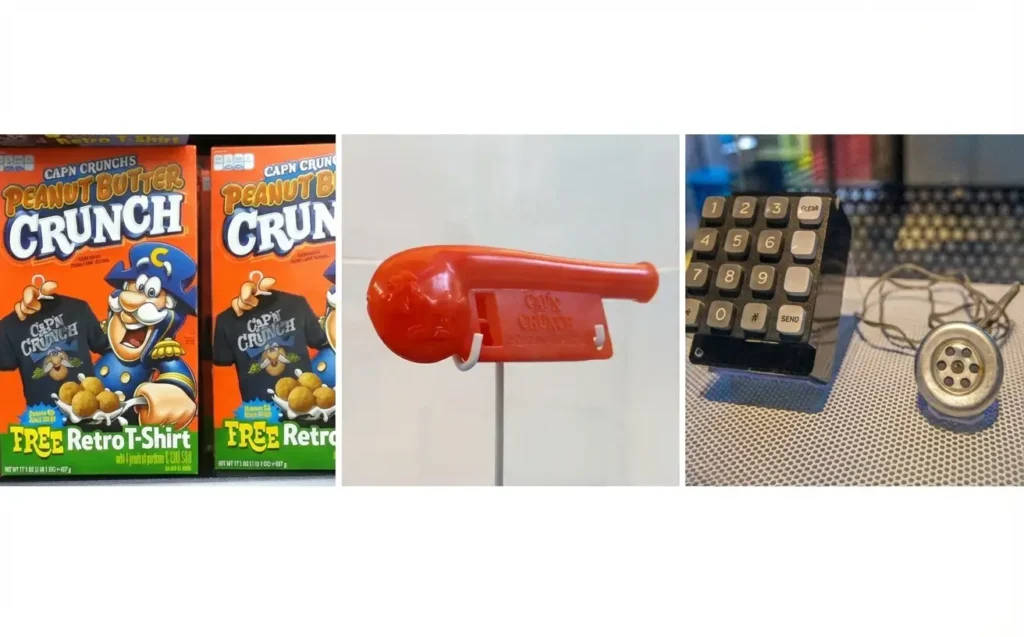

Imagine cracking open a box of sugary cereal, pulling out a cheap plastic toy, and using it to hijack the world’s most sophisticated communication network. In the late 1960s, that’s exactly what happened and it launched a cultural revolution that echoes through today’s hacker ethos. This is the story of John Draper, aka Captain Crunch, and how a single whistle tone at 2,600 Hz turned phone phreaking into the blueprint for modern tech rebellion.
The Sound That Shouldn’t Have Worked
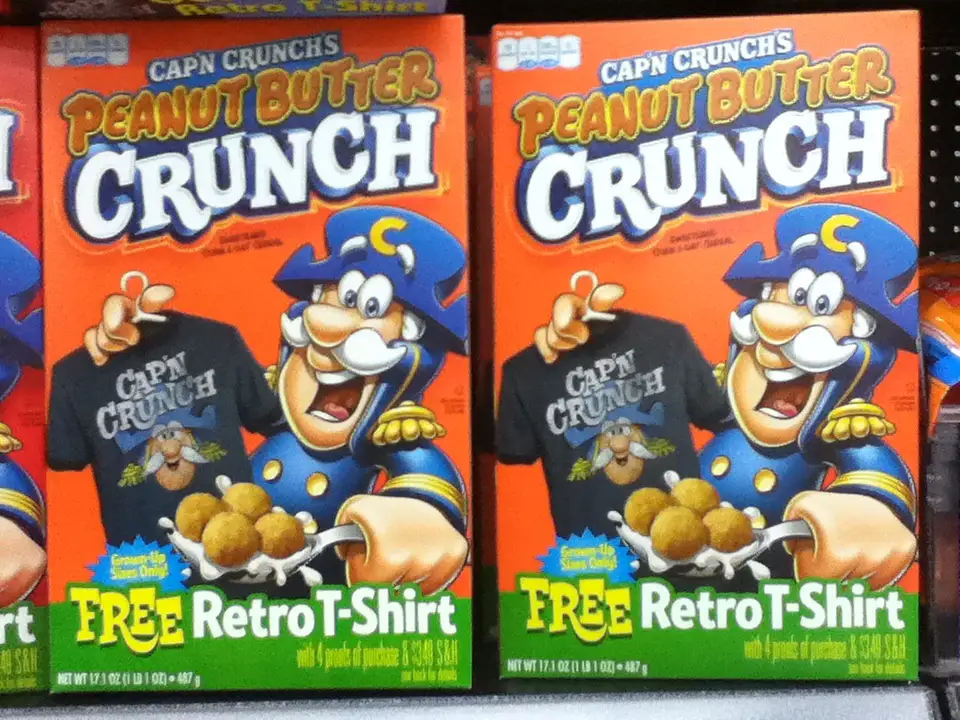
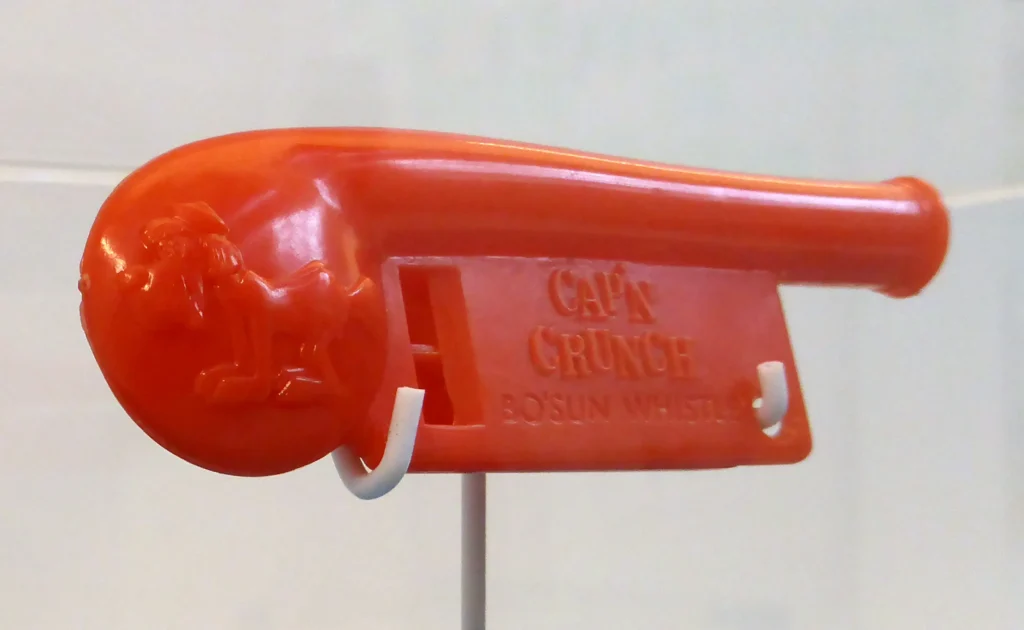
The sound was disarmingly simple: a shrill, piercing whistle from a tiny plastic toy tucked inside a Cap’n Crunch cereal box. Marketed as a gimmick for kids, this promotional freebie emitted a tone around 2,600 Hz, pure coincidence, or so it seemed.
Back in the analog era of the late 1960s, AT&T’s sprawling telephone monopoly ruled long distance calls with an iron fist. Placing a coast to coast call could cost dollars per minute, and the network’s guts were a black box to everyday users. Engineers routed calls using multifrequency (MF) tones, inaudible signals superimposed on voice lines to seize trunk lines, signal operators, or hang up connections. The magic frequency? 2,600 Hz, which told the system a line was free.
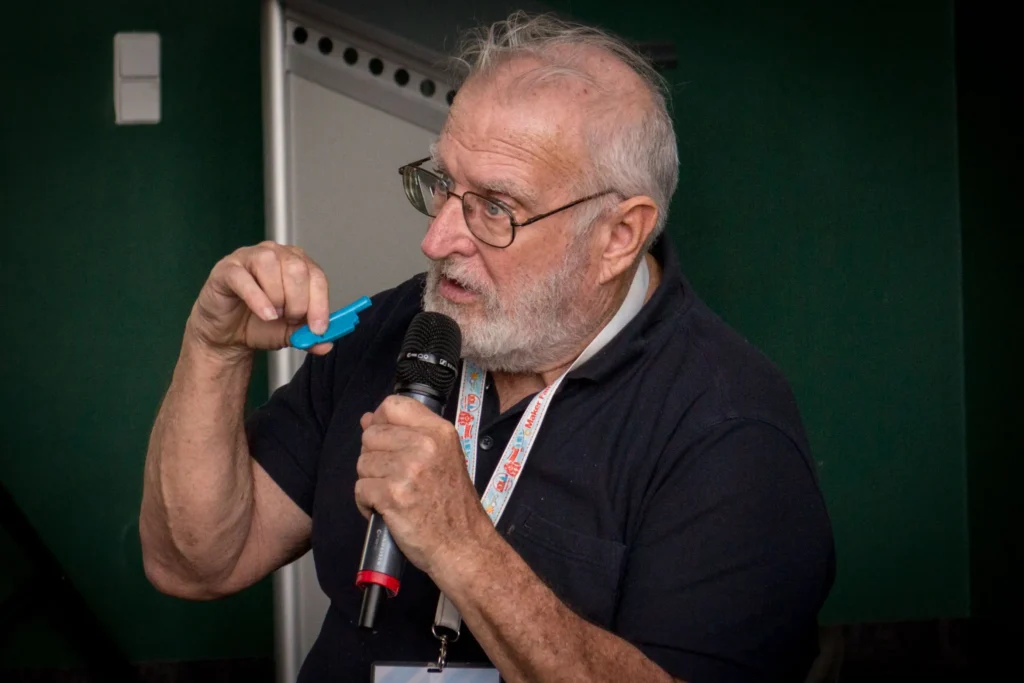
For most folks, phones were magic. But electronics whiz John Draper saw puzzles. A U.S. Air Force veteran and ham radio buff, Draper tinkered in his garage, recording phone tones with oscilloscopes and synthesizers. When underground lore reached him about the Cap’n Crunch whistle hitting that exact pitch, he tested it. Blowing into a phone receiver mid-call tricked the switch into releasing the line, leaving it open for phreakers to seize control. Suddenly, free calls to anywhere. The toy wasn’t child’s play anymore; it was a skeleton key to Ma Bell’s empire.
Before Hackers Were Hackers: The Age of Phone Phreaking
Long before dial-up modems screeched or GUI desktops blinked to life, phone phreaking ruled the pre-digital underground. This wasn’t malicious cybercrime, it was pure curiosity hacking, born in the 1950s among blind teenagers like Joybubbles and Joe Engressia, who discovered they could whistle switchboard tones perfectly.
The phone network was SSAC (Single Frequency) and later MF signaling incarnate: 2,600 Hz for idle trunks, 2,600+1,800 Hz for KP (key pulse) to start dialing, and combos like 700+900 Hz for digits 0-9. Phreakers built tone analyzers from radio shack parts, mapping the “secret language” of telecom. Motives? Bragging rights, free calls to girlfriends abroad, or just decoding the matrix. Draper embodied this: “I wanted to understand how it worked,” he’d later say.
Communities formed via ham radio and zines, swapping blueprints. It was the 80s hacker spirit avant la lettre—outsiders democratizing tech before “hacker” meant black hats.
The Discovery That Changed Everything
Draper’s legend ignited in 1971. He’d heard whispers from phreak pioneer Jerry Whitehead about the whistle. Testing confirmed it: trim the toy’s ends for purity, blow during a call, and bam, operator mode unlocked. He could dial international prefixes, mimic coin collect signals, even loop calls endlessly.
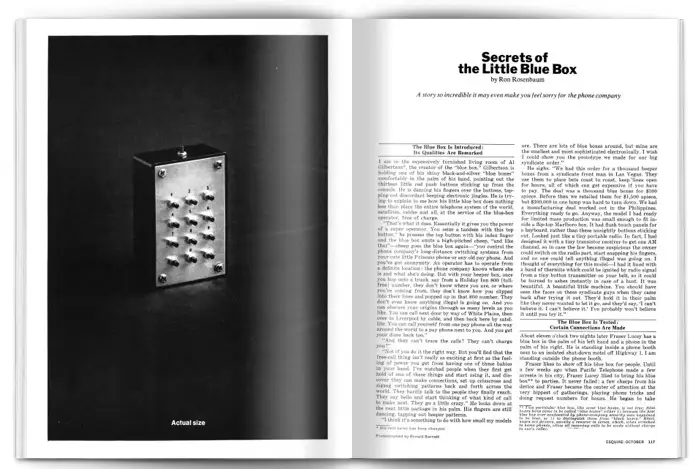
Word spread like wildfire in Esquire magazine‘s infamous “Secrets of the Little Blue Box” article by Ron Rosenbaum. Draper, now “Captain Crunch” for his cereal muse, became phreak royalty. Arrested multiple times (once for wire fraud), he served time but emerged a folk hero. The whistle? A perfect storm of serendipity, AT&T overlooked it because who suspects breakfast cereal?
From Toy to Technology: The Rise of the Blue Box
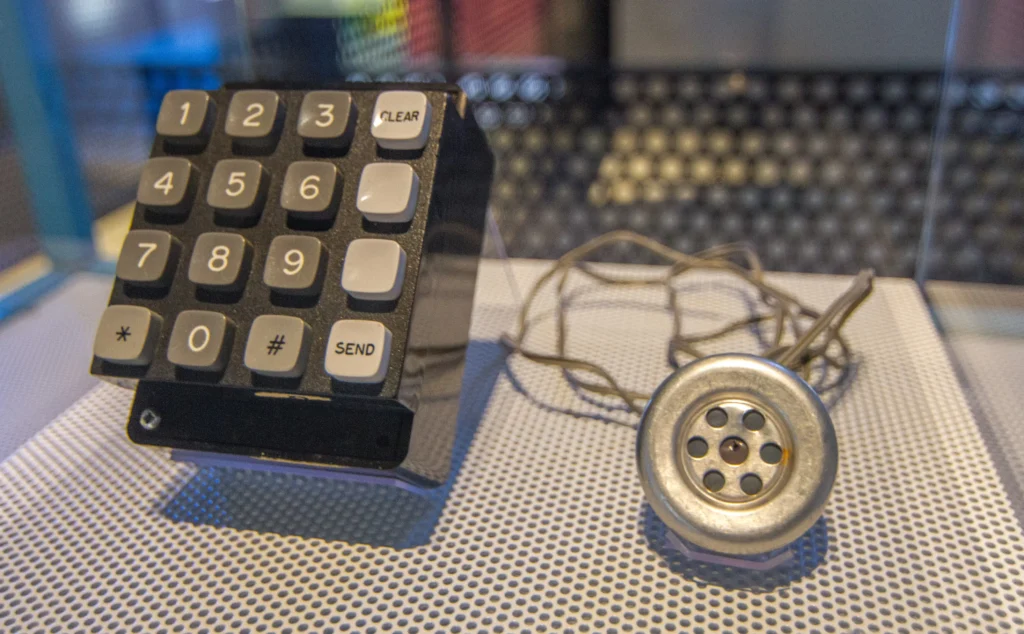
The whistle was crude, blue boxes were artistry. Hand built tone generators blue painted plywood slabs with oscillators, filters, and speakers, these gadgets mimicked all 12 MF tones precisely. Draper designed the “Crumbler,” a portable version using a 555 timer chip for stability.
Phreakers whistled in “originate” mode: seize a line, KP-pulse digits (e.g., 11 for international), then “release” with 2,600 Hz. Calls rerouted Tokyo-to-Timbuktu for pennies. Blue boxes hit dorms and garages, costing $300 to build but selling underground for thousands. They weren’t just for freebies, phreakers audited network flaws, like faulty trunks in rural exchanges.
This DIY ethos prefigured maker culture. Parts lists circulated in TAP (Technological American Party) newsletters, fostering a gift economy of hacks.
Two College Kids Who Would Change the World
Cue 1971: Berkeley students Steve Wozniak and Steve Jobs read that Esquire piece. Woz, a circuitry savant, obsessed over the engineering. Using a 744 digital to analog converter and piano keyboard, he prototyped a blue box in days, accurate to 1 Hz.
Jobs, the hustler, hawked them to frat boys for $150 a pop, funding Atari gigs. “It was the first time we realized you could build something the big companies couldn’t stop,” Woz recalled. Busted once by cops mid-demo, they pivoted. Phreaking honed Woz’s precision (key to Apple I‘s design) and Jobs’ vision for accessible tech.
By 1976, Apple launched. The rest? iPhone history.
The Birth of Hacker Culture
Phone phreaking seeded hacker DNA:
- Exploration over fear: Probe systems ethically (mostly).
- Outsider innovation: Kids with cereal toys outsmarted Bell Labs.
- Curiosity as catalyst: From tones to code, questioning “why” sparks change.
- Knowledge democratized: Blueprints shared freely, birthing open-source vibes.
Draper’s arrests spotlighted ethics phreaking blurred crime and craft. Yet it birthed cybersecurity: AT&T patched vulnerabilities post-exposure. The 2600 Hz tone? Canonized in 2600: The Hacker Quarterly (est. 1984), still publishing on digital rights.
When the Network Learned to Fight Back
Tone phreaking peaked mid-70s, then faded. AT&T rolled out CCITT No. 4 signaling, then SS7 in the 80s—digital packets outpacing whistles. By 1990s, fiber optics and PRI/ISDN killed MF entirely.
Phreakers evolved: Draper coded EasyWriter for Apple II, consulted on movies like WarGames. Legal woes lingered (he faced scrutiny into the 2010s), but vindication came, EFF hailed him a pioneer.
Why the Cap’n Crunch Whistle Still Matters Today
This tale transcends free calls. It’s the origin story of tech culture’s rebel heart: garage tinkerers vs. monopolies, toys fueling trillion dollar industries. In our AI blockchain era, Draper’s lesson rings, vulnerabilities hide in plain sight, curiosity cracks them.
Nostalgic for 90s dial-up vibes? Hunt a vintage whistle on eBay (don’t try it—TSP now encrypts everything). John Draper, now 84, still speaks at cons. His whistle reminds us: Innovation starts with “What if?”, even over breakfast.