Write to us:
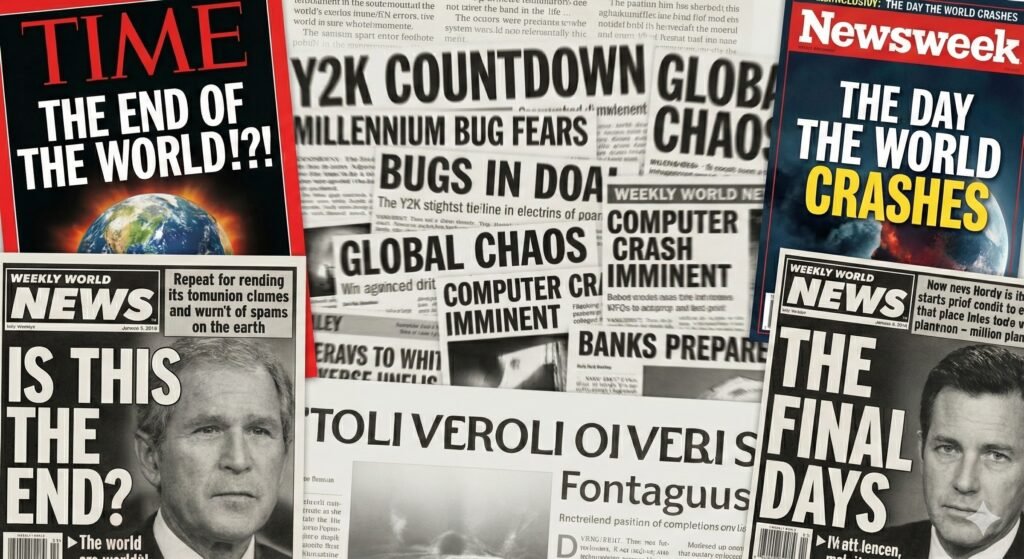

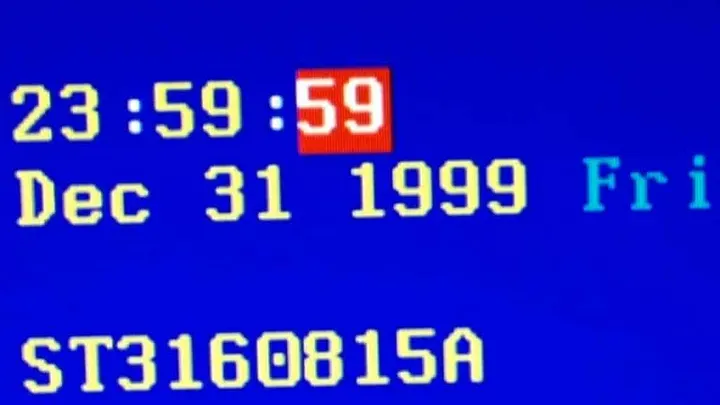
It sounds ridiculous today, the idea that civilization teetered on collapse because computers couldn’t count past “99.” But rewind to New Year’s Eve 1999, and the Y2K bug gripped the planet in unprecedented dread. For those five tense minutes around midnight, billions held their breath, wondering if the Y2K millennium bug would trigger planes plummeting from the skies, power grids failing, and bank accounts vanishing into digital ether.
This wasn’t just hype. The Y2K panic marked humanity’s first mass realization of our fragile dependence on code. In this deep dive, we’ll unpack the bug’s origins, the global frenzy it sparked (with plenty of laughs), the quiet heroes who fixed it, and why this “most expensive non-event” still echoes in our hyperconnected world.
What Was the Y2K Bug? A Crash Course in Digital Doom
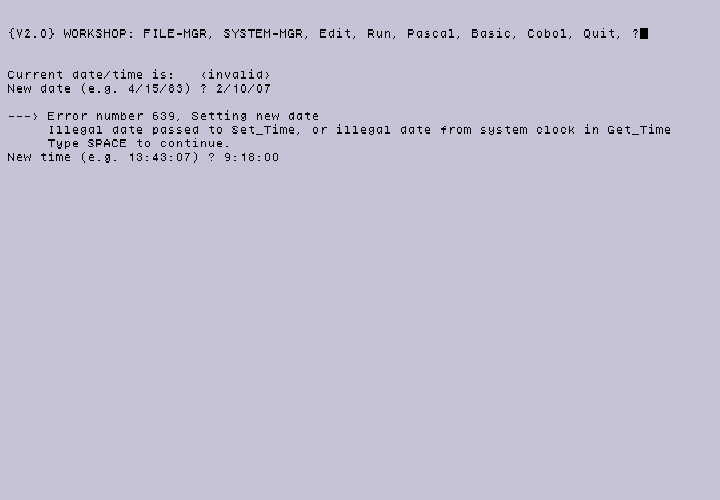
The Y2K bug, or Millennium Bug, stemmed from a simple programming shortcut. Back in the 1960s and 1970s, when computing power was scarce and expensive, developers saved memory by storing dates as two digits—like “99” for 1999—instead of four (1999).
- The problem: When clocks rolled to January 1, 2000, systems were expected to interpret “00” as 1900, not 2000. This could scramble calculations in everything from financial software to nuclear plants.
- Scale: Experts estimated 90% of the world’s computers could glitch, with ripple effects on embedded systems in elevators, ATMs, and even heart monitors.
- Real math: A loan due in 2010 might revert to 1910, making it “overdue” by a century and triggering erroneous penalties.
NASA, the Pentagon, and banks poured billions into audits. By 1999, the U.S. alone spent $100 billion on Y2K preparations, more than the Apollo program. (Spoiler: Worth it, or the greatest overreaction since buying 50 cases of Spam?)
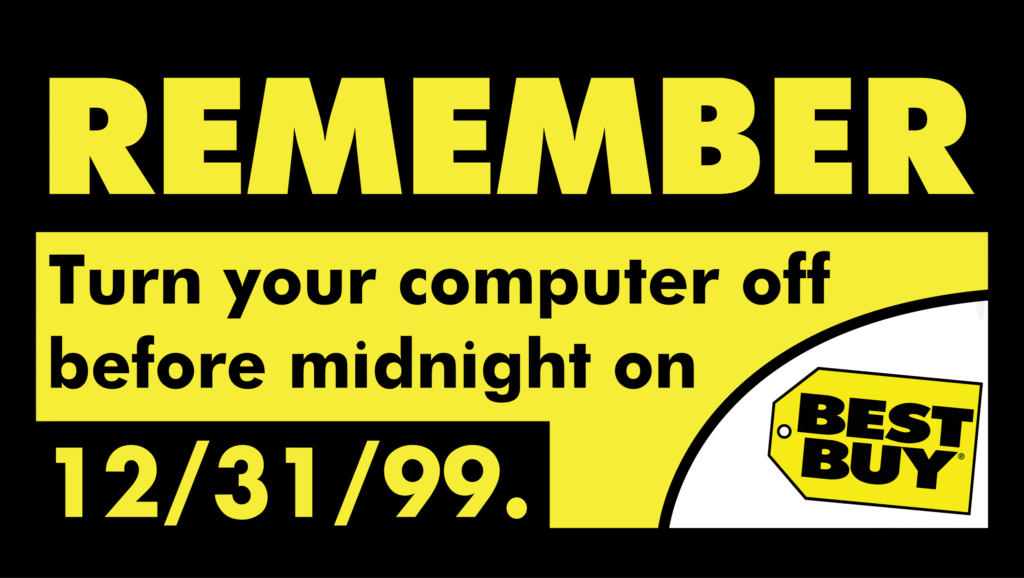
The Y2K Panic: Media Frenzy Meets Doomsday Prepping (and Peak Ridiculousness)
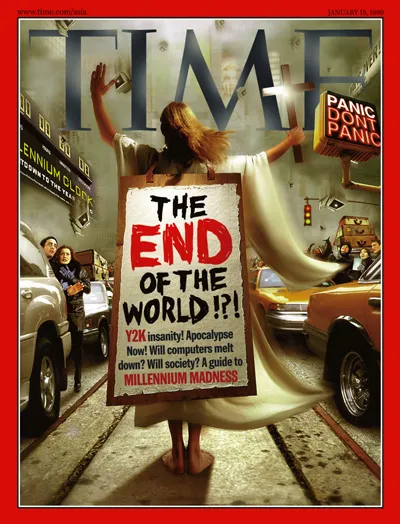
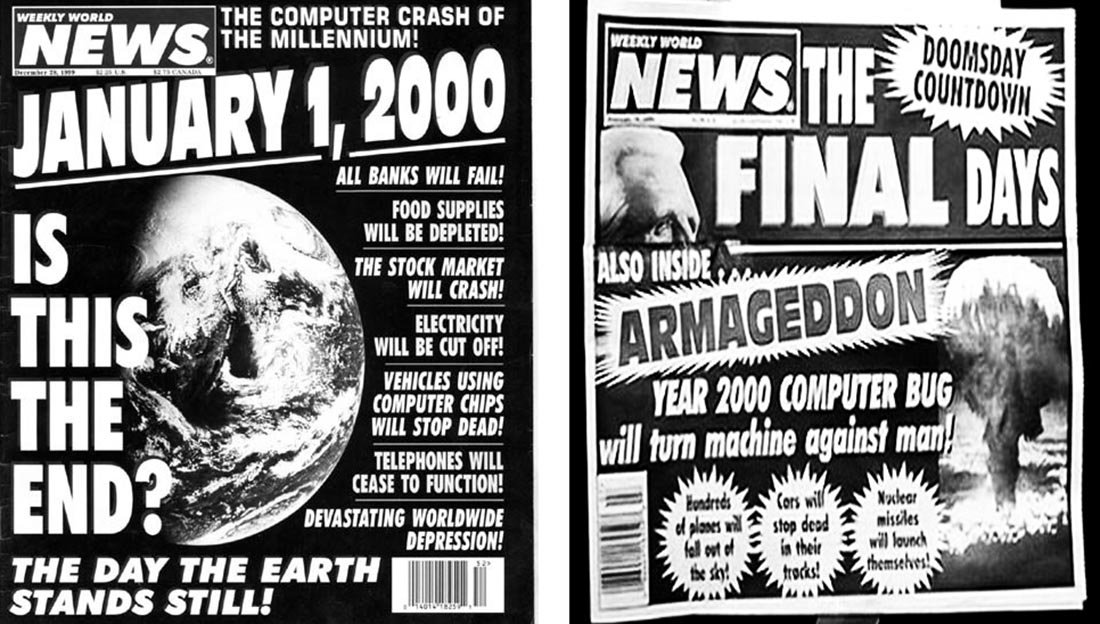
The buildup was pure analog horror, amplified by 24/7 news cycles. Headlines screamed catastrophe: “Y2K Could Cause Havoc,” blared The New York Times. Pundits predicted societal collapse, with planes dropping like flies due to navigation failures and power outages plunging cities into darkness.
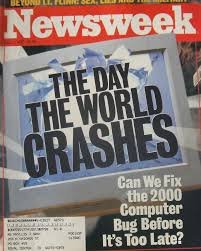
- Public reaction: Americans withdrew $50 billion in cash—equivalent to today’s $90 billion. Supermarkets sold out of canned goods, generators, and candles. One guy in Ohio reportedly bought 10,000 D batteries, convinced his flashlight would save civilization.
- Global scale: Russia downplayed it but quietly fixed military systems. Japan stockpiled rice. In Egypt, the government banned fireworks to avoid EMP-like interference.
- Cultural quirks: Windows 95 users watched their screens like hawks, fearing the Blue Screen of Death. Survivalists bunkered down, one Florida man built a $100,000 bunker stocked with… Twinkies.
The fear revealed our codependence. As Bill Gates quipped, “Two thousand years ago, people weren’t worried about the date changing.” But in 1999, it felt existential, unless you were the prepper who sold his house for a lifetime supply of Ramen.
Y2K in Pop Culture: The Simpsons Nailed It (As Usual)
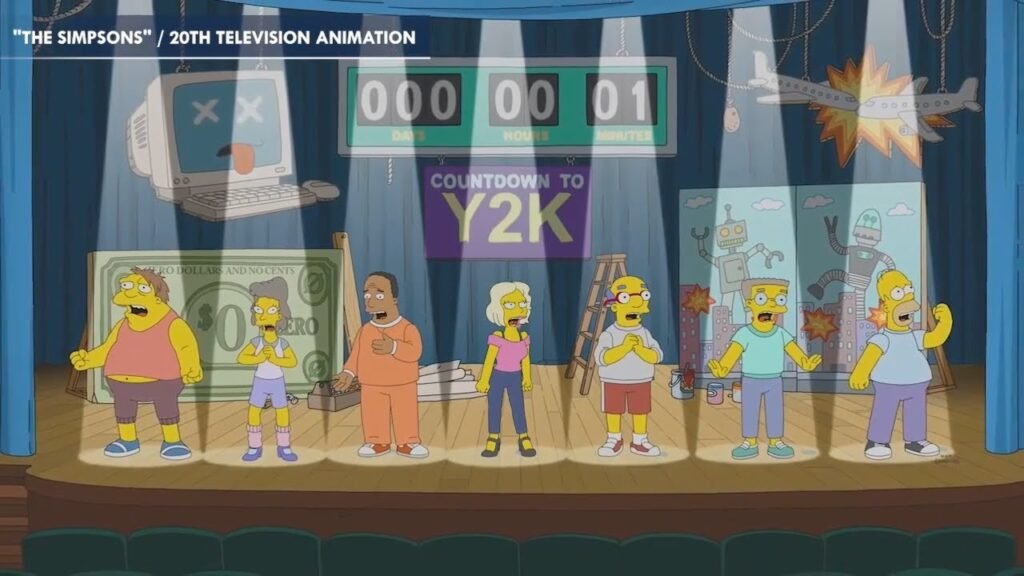
Hollywood and TV couldn’t resist the apocalypse bait. The Simpsons dropped a prophetic gem in the 1998 episode “Trouble with Trillions,” where Homer uncovers a Y2K plot: computers go haywire, elevators plummet, and society crumbles into cartoon chaos. (Homer’s fix? Smashing servers with a sledgehammer classic.) It aired over a year before the real panic peaked, cementing the show’s crystal ball status.
Other laughs:
- Saturday Night Live: Skits showed Bill Gates hoarding canned tuna while cackling about the bug.
- Movies: Office Space (1999) roasted corporate Y2K fixes with Peter Gibbons smashing printers, foreshadowing the anti-climax.
- Celebrity gold: Oprah warned of “total electronic failure,” prompting calls to her show from bunker dwellers. Jerry Falwell sold “Y2K survival kits” with Bibles and beans.
These bits turned dread into memes before memes were a thing. Today, TikTok revives them: “Y2K was fake but my emotional damage from hoarding Spam is real.”
Midnight Strikes: The Anti-Climax of the Century
Tick-tock. At 12:00:01 a.m. GMT, January 1, 2000, fireworks lit Sydney’s sky. Then… nothing. Toasters toasted. PCs booted. ATMs dispensed cash. Preppers cracked open their bunkers, only to find moldy Spam.
The Y2K non-event unfolded flawlessly across 200+ countries:
- New York: Times Square partied glitch-free.
- London: Big Ben chimed normally.
- Tokyo: Bullet trains ran on time.
Minor hiccups popped up—a Japanese nuclear plant misread dates (no meltdown), some UK parking meters froze, and a Delaware nuclear sub’s coffee machine glitched (crew: “Priorities!”). Why? Thousands of unsung IT workers logged overtime for years, rewriting billions of lines of code. Governments mandated compliance; companies like IBM ran global simulations.
It was humanity’s most expensive nonevent: $300-600 billion worldwide, per Gartner estimates. As one coder joked, “We worked 80-hour weeks so you could laugh at us on Reddit.”
Cultural Legacy: Y2K Fashion, Memes, and Modern Lessons
Y2K didn’t just fizzle—it birthed a vibe. Think low-rise jeans, flip phones, Britney Spears’ “…Baby One More Time,” and butterfly clips. The panic inspired endless memes (“POV: You’re a Y2K prepper at 12:01 a.m.”).
Today, it warns of bigger risks:
- Cybersecurity: Like SolarWinds or Log4j vulnerabilities.
- AI dependence: What if ChatGPT glitches?
- Climate tech: Date bugs in carbon tracking?
The Y2K bug proved preparation pays. As one IT vet told CNN, “We fixed it so quietly, no one noticed the fix—except our divorce lawyers.”
FAQ: Y2K Bug Answered
What caused the Y2K bug?
Two-digit date storage from the 1970s to save memory, leading to “00” confusion.
Did the Y2K panic cost more than it was worth?
Yes, trillions globally, but it modernized infrastructure and gave us Simpsons gold.
Could Y2K happen again?
Unlikely, thanks to lessons learned, but watch for “Year 2038 problem” in 32-bit Unix systems.