Write to us:
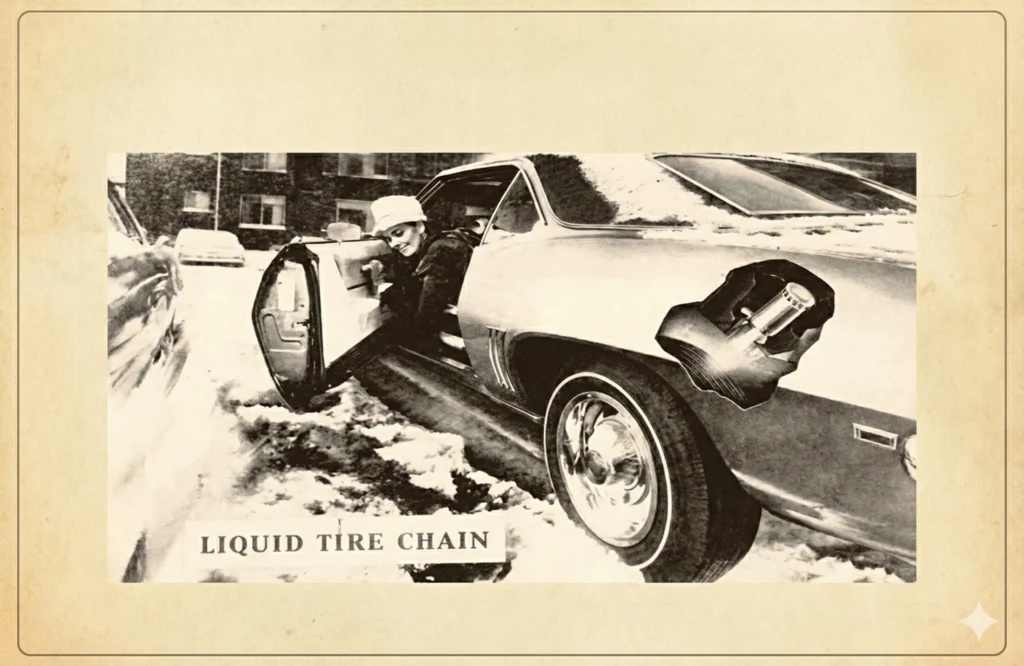

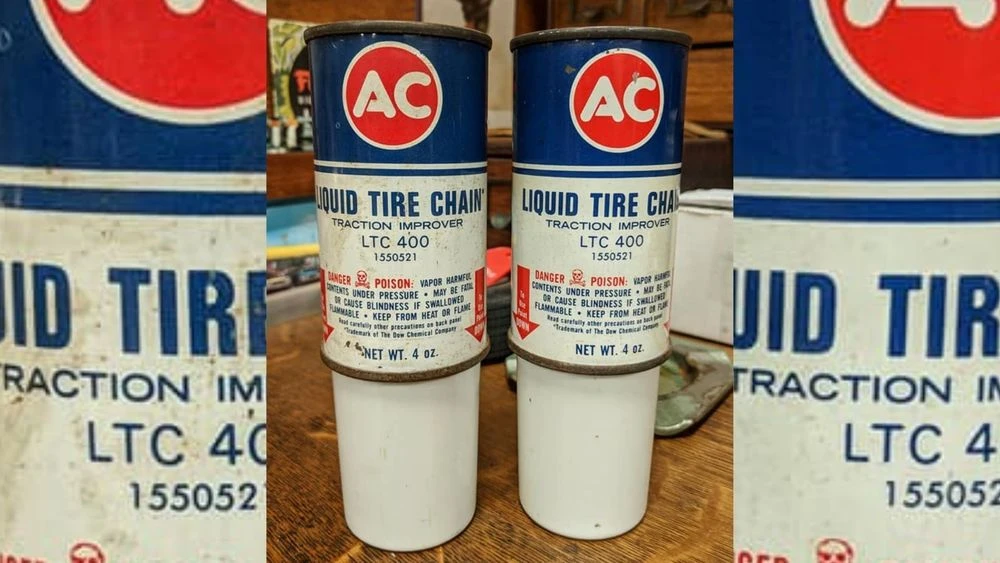
Ever wish your car could spray instant snow grip like a superhero gadget? In 1969, Chevrolet made it real with Liquid Tire Chain, a bizarre factory option for Camaro and Chevelle owners facing Midwest blizzards. This wasn’t some backyard tinkerer’s dream, it was a genuine factory option designed to conquer snow and ice with a simple button press. Imagine ditching clunky metal chains for a spray of sticky chemical magic. Sounds like something out of a Jetsons episode, right? Yet, Chevy made it real, offering drivers a futuristic fix for winter woes amid the muscle car era.
This overlooked gem from Chevrolet’s engineering labs highlights a bolder time in car manufacturing, when companies experimented wildly to stand out. Today, as we geek out over electronic aids like traction control, it’s fun to revisit this chemical powered precursor.
Stick around as we dive deep into how the Liquid Tire Chain worked, why it flopped, and why it’s a holy grail for collectors chasing rare 1969 Chevy options.
The Problem It Solved: Snow Chains in the Muscle Car Age
Back in the late 1960s, winter driving was a nightmare for American motorists. Snow chains—those heavy, rattling metal links—were the go-to solution, but they sucked. Installing them meant stopping on the roadside, kneeling in freezing slush, fumbling with frozen hands, and risking scraped knuckles or worse. For owners of sporty rides like the Chevrolet Camaro or Chevelle, lugging chains ruined the vibe of V8-powered freedom.
Chevrolet engineers eyed this pain point and cooked up something radical: Liquid Tire Chain, a system that turned tires into temporary snow grippers without the hassle. Marketed as a high-tech alternative, it promised “instant traction” for those stuck in the snow moments. No more cursing in the cold, just hit a button and peel out.
A Button Instead of Snow Chains: The Magic of Press and Spray
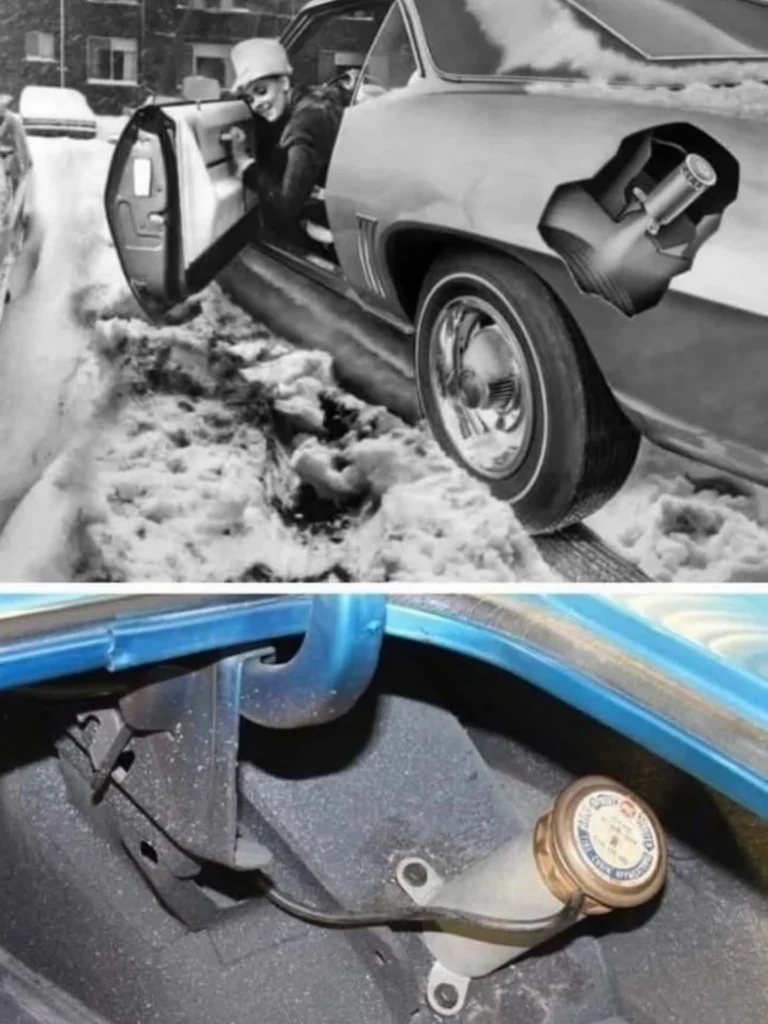
Here’s where it gets sci-fi cool. Tucked discreetly in the trunk or rear compartment sat a pressurized canister holding a viscous, polymer based traction compound. Nozzles positioned near the rear wheels (targeting drive tires on rear wheel drive Chevys) waited for action.
Push the in cabin activation button, and voilà, the system sprayed the sticky fluid directly onto the tire treads. The goo bonded with the rubber, creating a high friction layer that bit into snow and ice like Velcro. Effects kicked in almost instantly but faded after 5-10 minutes of driving, as heat and wear sloughed it off. Perfect for emergency escapes, not long hauls.
It was simplicity incarnate:
- No tools needed: Skip the jack and wrench routine.
- No mess under the car: Stay warm inside.
- Quick reset: Refill the canister at a dealer (more on that later).
This was peak 1960s optimism, solving real problems with chemistry, Mad Men style.
A Real Factory Option: Available on Iconic 1969 Chevy Models
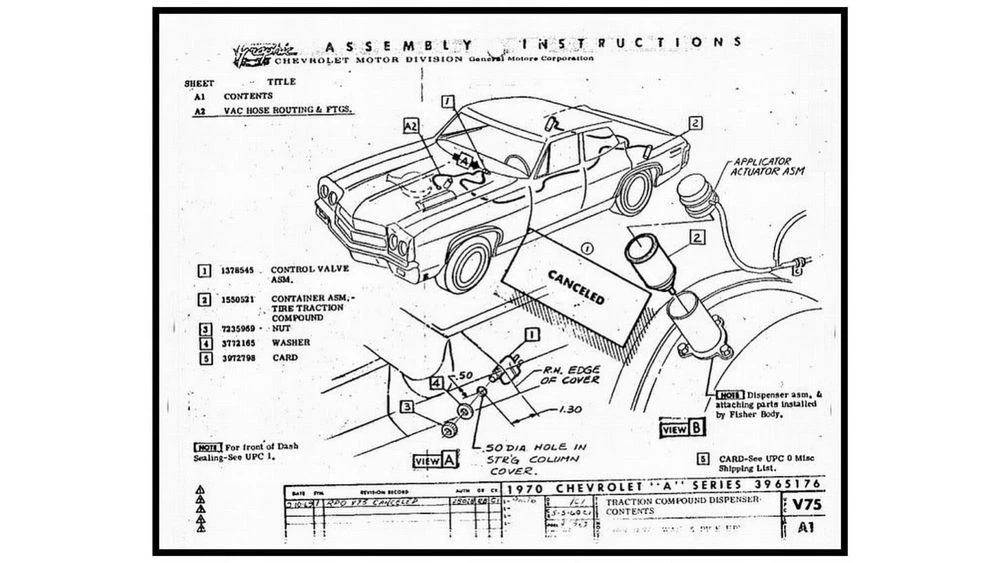
Believe it or not, Liquid Tire Chain wasn’t a myth or aftermarket hack. Chevrolet listed it officially under RPO code V75 (sometimes confused with V01 in old docs) in their 1969 order guides. Buyers could spec it straight from the factory or have dealers install it post sale.
Eligible models included heavy hitters:
- Chevrolet Camaro: Just 188 units ordered, making it one of the rarest Camaro factory options ever.
- Chevelle: Mid-size muscle ready for slippery streets.
- Nova: Compact and nimble, now with liquid grip.
- Impala and other full size Chevys: Roomy cruisers tackling Midwest blizzards.
Priced around $35-$50 (about $300 today), it appealed to a niche of forward thinking buyers in snowy states like Michigan or Wisconsin. Production numbers were tiny, ensuring scarcity that thrills collectors today.
How It Actually Worked: Tech Breakdown and Real World Performance
Under the hood (or trunk), the system relied on proven industrial tech adapted for cars. The fluid? A proprietary mix of polymers, resins, and solvents think super glue meets tire black. Sprayed evenly, it formed microscopic “chains” on the tread, boosting grip by 50-100% on ice per period tests.
Key components:
- Pressurized canister: 1-2 quarts capacity, good for 3-5 activations.
- Electric pump and valves: Cabin button triggered a 12V solenoid for precise spray.
- Nozzles: Adjustable, weather sealed mounts to avoid clogs.
Road tests from era magazines like Hot Rod praised its escape prowess but noted limits: useless on dry pavement (too slippery) and ineffective above freezing temps. Refills? Dealers stocked kits, but the process was messy, fluid, special funnels, and a $10 hit per charge.
Why It Disappeared: The Harsh Reality Check
Discontinued by 1970, Liquid Tire Chain vanished faster. Culprits were plentiful:
- Short duration: 10 minutes max per spray; chains lasted hours.
- Refill hassles: Not DIY friendly, and stations weren’t stocked.
- Reliability woes: Nozzles clogged in salt or dirt; fluid degraded over time.
- Safety skepticism: Drivers balked at “mystery chemicals” flinging off at 60 mph.
- Better alternatives: All seasons and early radials emerged, sidelining gimmicks.
As winter tires gained traction (pun intended) in the 1970s, chemical sprays became relics. Chevy shifted focus to emissions and fuel economy amid oil crises.
Collector Gold: Hunting Surviving Liquid Tire Chain Cars Today
Flash forward to 2026, and intact 1969 Chevy Liquid Tire Chain systems are unicorns. Maybe a dozen survive worldwide, per collector forums like Hemmings and ChevyTalk. A documented Camaro with V75 fetched $85,000 at auction in 2023—20% premium over stock.
Restorations demand originals: canisters fetch $500+ on eBay, nozzles $200. Modern hacks? Some spray pine tar mixes, but purists shun them. Events like Mecum auctions spotlight these oddities, drawing muscle car fans nostalgic for analog innovation.
Ahead of Its Time… or Just Too Weird? Legacy in Modern Traction Tech
Gazing back, Liquid Tire Chain prefigured today’s driver aids. Electronic stability control? It’s software spraying virtual grip. Launch control on a Tesla? Chemical free torque management. Chevy’s 1969 experiment swapped code for compounds, embodying an era of fearless R&D from hidden headlamps to fake wood dashboards.
It flopped commercially but shines as a quirky footnote in 1960s Chevrolet history. In our glitchy, tech world, it reminds us: sometimes the wildest ideas spark the future. Next time you’re sliding on ice with ABS kicking in, tip your hat to this liquid legend.