Write to us:

Remember the screechy symphony of a dial-up modem connecting? That iconic sound marked the gateway to the internet for millions in the 90s. America Online (AOL) wasn’t just a service, it was the early web. From free floppy disks flooding mailboxes to chat rooms buzzing with digital romance, AOL ruled the dial-up era like a cyber king. But empires crumble, and AOL’s fall was as spectacular as its rise.
This glitchback deep dive uncovers AOL history: its humble beginnings, explosive growth, peak dominance, and why it faded into nostalgia. If you’re a 90s kid or just curious about how the early internet shaped today’s web, buckle up, we’re time traveling back to when “You’ve Got Mail!” meant magic.
AOL’s Humble Beginnings: From Game Changer to Online Service (1985–1990)
AOL didn’t invent the internet, but it made it accessible. Launched in 1985 as Quantum Computer Services by Steve Case and partners, it started as a game platform called Quantum Link (Q-Link). Think of it as the Pong of online worlds, simple, addictive, and ahead of its time.
- 1983 roots: Control Video Corporation (CVC) experiments with GameLine, a dial-up service for Atari 2600 gamers. It flops commercially but plants the seed.
- 1985 relaunch: Rebranded as Q-Link for Commodore 64 users, offering multiplayer games, chat, and basic email.
- 1989 expansion: Branches into AppleLink for Mac users and PC Link for DOS machines. By 1991, it fully rebrands to America Online.
What set AOL apart? User-friendly software. While competitors like CompuServe demanded tech savvy, AOL’s graphical interface felt like a friendly neighborhood, perfect for non-geeks. Early users paid hourly fees, but the real hook was community: bulletin boards (BBs) for hobbies, from gardening to UFO conspiracies.
By 1990, AOL had 100,000 subscribers. It was small, but the dial-up revolution was dialing in.
The Explosive Rise of AOL: Dial-Up Domination in the 90s
The 90s were AOL’s golden age. Flat rate pricing, CD-ROM spam, and the web boom turned it into a household name. At its peak in 2000, AOL boasted 30 million users, more than the U.S. population at the time divided by 10.
Free Hours and Floppy Disk Frenzy
In 1993, AOL slashed prices to $2.95/month for 3 hours, then unlimited for $19.95 in 1996. Suddenly, the internet wasn’t elite, it was everyday.
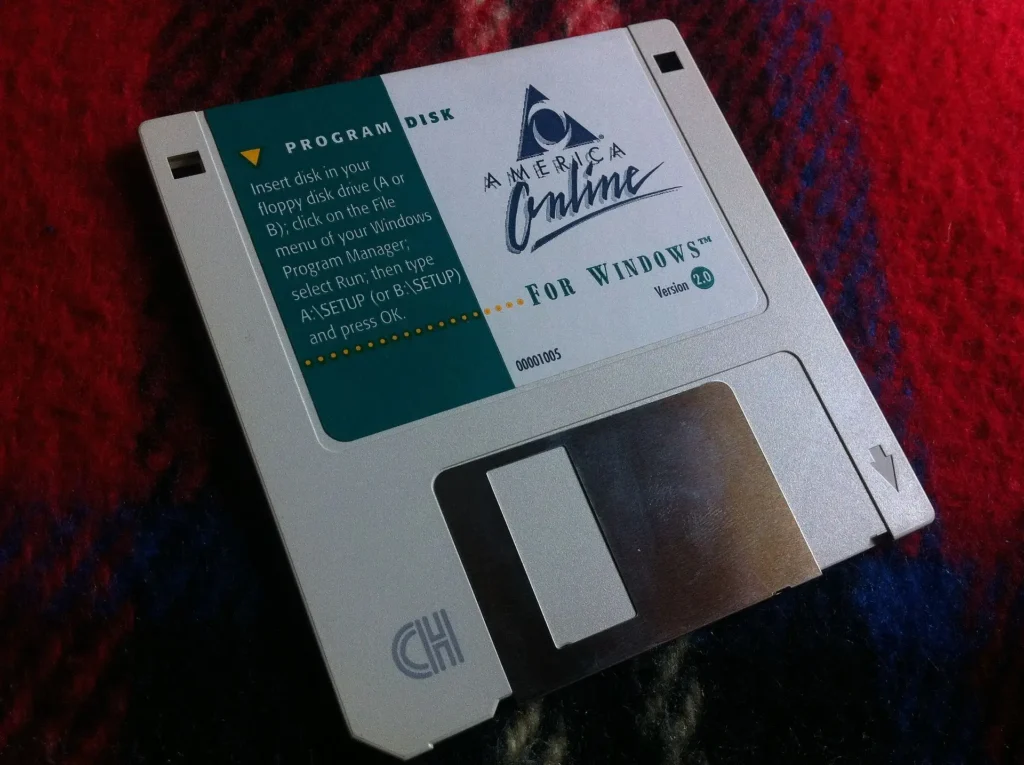
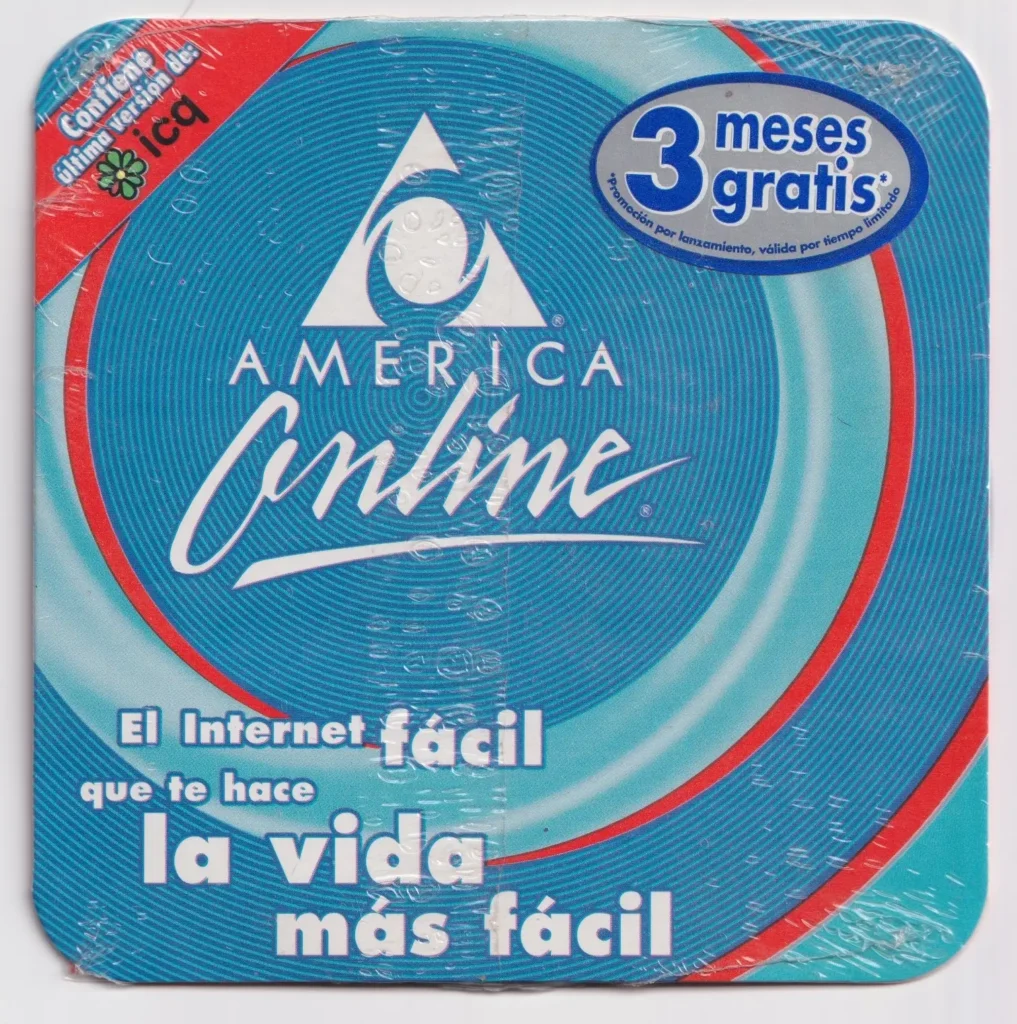
Those infamous free trial disks? AOL mailed over 250 million by 2000. Bedrooms became littered with 3.5 inch floppies and jewel case CDs promising “10 Free Hours!” It was guerrilla marketing genius, turning trash into treasure. (Fun fact: AOL’s disk recycling program later reclaimed millions.)
You’ve Got Mail: The Cultural Phenomenon
“You’ve Got Mail!”, voiced by Elwood Edwards, became synonymous with connection. Launched in 1993, AOL Instant Messenger (AIM) in 1997 exploded with screen names like “xXHotBabe92Xx.” Buddy lists, away messages, and “brb” birthed modern texting.
AOL chat rooms were wild west digital saloons:
- Teens: Flirting in “Teen Chat” amid strict monitors.
- Adults: Romance bloomed; thousands met spouses via AOL.
- Niche groups: From “Alt.Fan.StarTrek” to Bulgarian expat forums (shoutout to Sofia’s early netizens discovering MTV online).
Going Global and Acquiring the Web
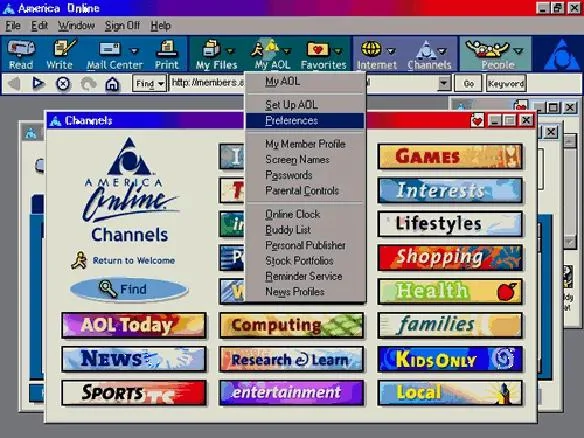
AOL smelled the open web early. In 1993, it integrated browsers like Mosaic. By 1998, it bought Netscape for $4.2 billion, the first big tech acquisition signaling Silicon Valley’s future.
International push hit Europe, including Bulgaria post 1989 internet thaw. In Sofia, dial-up AOL users swapped pirated MP3s of 90s Eurodance hits like Vengaboys tracks, bridging Eastern Europe’s pop culture isolation.
| Milestone | Year | Impact |
|---|---|---|
| Flat-rate pricing | 1996 | Subscribers jump from 1.5M to 5M |
| AIM launch | 1997 | 50M users by 2000; defines IM culture |
| Netscape buyout | 1998 | AOL enters browser wars |
| Peak users | 2000 | 30M dial-up dialers |
AOL wasn’t just service, it was culture. Tom Hanks and Meg Ryan’s 1998 rom com You’ve Got Mail grossed $250M, glamorizing anonymous AOL flirtations.
AOL-Time Warner Merger: Hubris at the Top (2000)
AOL’s zenith? The $165 billion merger with Time Warner in January 2000. Steve Case envisioned a “synergy” empire blending AOL’s 30M users with Time Warner’s media (CNN, Warner Bros., HBO).
It was the largest merger ever. Stock soared, confetti flew in New York’s Times Square. But dot-com bubble vibes hid cracks:
- AOL’s growth stalled as broadband loomed (DSL, cable modems).
- Time Warner execs sneered at “digital rubes.”
- Regulatory scrutiny delayed integration.
Humorously, AOL’s CD spam even targeted Time Warner boardrooms. Yet, synergy flopped marking the merger as a infamous bust, wiping $100B+ in value.
The Fall of AOL: Dial-Up Dies, Broadband Takes Over (2001–2010)
AOL’s decline was swift, like a bad chatroom breakup. Broadband killed dial-up: faster speeds (no more 56K waits for GIFs) and always on access.
Dot-Com Bust and Subscriber Exodus
Post 2000 crash, AOL lost 2M users in 2002. Broadband providers like EarthLink and Comcast offered web without AOL’s walled garden.
Key blows:
- 2002: Unlimited dial-up jumps to $23.90, users flee.
- 2003: Open access lets non-AOL ISPs use its network, cannibalizing itself.
- 2006: AOL exits dial-up business, spins off as independent.
Users ditched for MSN, Yahoo, and Google. AIM faced MySpace/Facebook, chat rooms went quiet.
Post-Merger Mess and Rebranding Fails
Time Warner dumped AOL in 2009 for $0. Case resigned in 2001. Attempts like AOL 9.0 (2002) and “AOL Anywhere” flopped clunky compared to sleek Gmail.
By 2010, subscribers dwindled to 4M. The “You’ve Got Mail!” jingle echoed like a ghost modem.
Why Did AOL Fall? Lessons from the Early Internet Wreckage
AOL’s crash wasn’t luck, it was structural.
- Walled Garden Trap: AOL locked content (e.g., premium news) behind logins. Open web won with Google et al.
- Tech Lag: Ignored broadband. By 2005, U.S. broadband hit 50% households; AOL clung to dial-up.
- Merger Mismatch: Cultures clashed; no real integration.
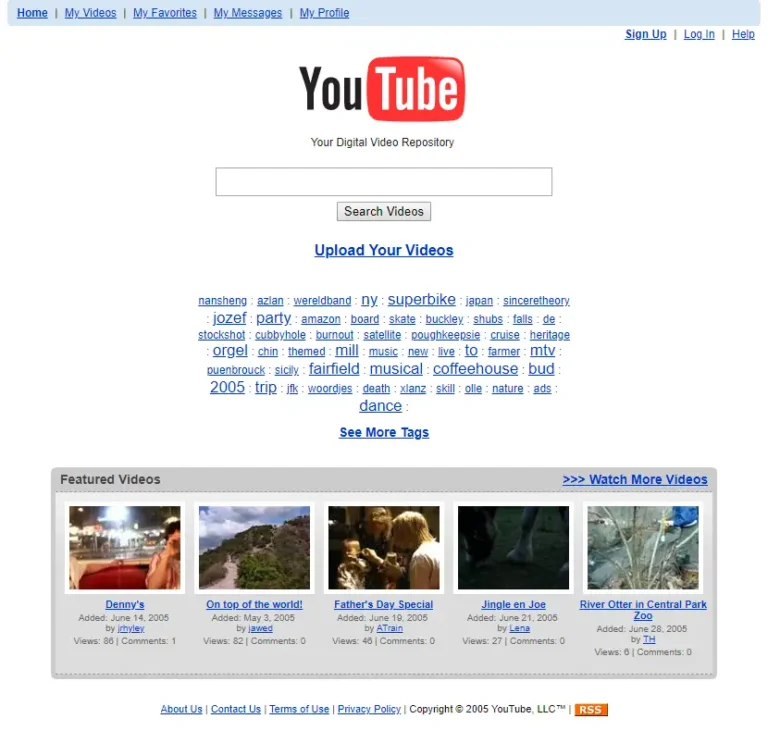
- Competition Onslaught: Free Gmail (2004), Facebook (2004), and YouTube (2005) stole eyeballs.
Nostalgic irony: AOL pioneered social features Facebook monetized better.
AOL Today: From Relic to Verizon Rental (2010–2026)
AOL didn’t vanish. Verizon bought it in 2015 for $4.4B, merging with Yahoo in 2017 (another nostalgia combo). Now, it’s ad tech and sites like HuffPost, TechCrunch, and Engadget under Yahoo Inc.
- Subscribers? Under 1M, mostly legacy dial-up holdouts.
- AIM? Shut down 2017, revived briefly as a chatbot.
- Legacy: “AOL.com” still gets traffic for email; CDs are collector items.
The Lasting Legacy of AOL on Today’s Internet
AOL humanized the web. It onboarded 100M+ users, proving grandma could email. Lessons endure:
- Accessibility first: Paved for smartphones.
- Social seeds: Chat rooms begat social media.
- Marketing mayhem: Spam tactics inspired viral growth hacks.
Without AOL, no “early web” boom. Its fall? A reminder: Adapt or dial out.
Next time you scroll TikTok nostalgia reels, thank AOL for the blueprint. What’s your AOL memory first chat flame war or endless disk pile? Share in comments!
Sources: Wired archives, SEC filings, “AOL: The Inside Story” by Steve Case excerpts. Updated Feb 2026.