Write to us:
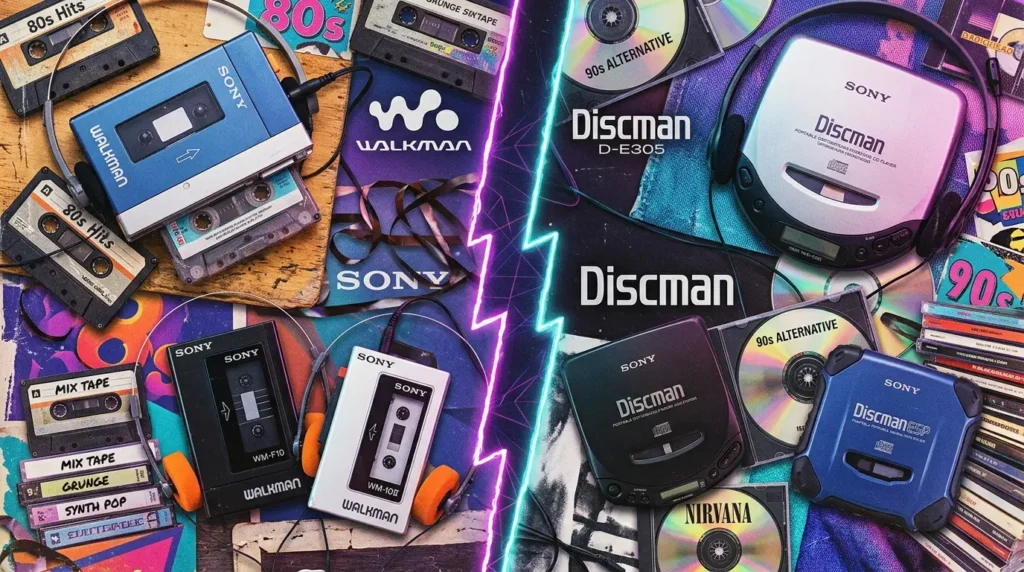

Remember slipping a mixtape into your Sony Walkman 90s model, hitting play, and zoning out to Nirvana or Spice Girls while dodging traffic on your bike? The Sony Walkman 90s era wasn’t just about gadgets, it was a cultural earthquake. Before smartphones swallowed our music libraries, the Sony Walkman 90s battle with the Discman defined personal audio. Walkman’s tapes skipped less on bumpy rides, Discman’s CDs offered pristine sound but laser tantrums. This Walkman vs Discman showdown fueled the portable music revolution, turning every teen into a mobile DJ.
In this deep dive, we’ll rewind to the Sony Walkman 90s glory days: origins, tech breakdowns, cultural impact, and why these relics still spark nostalgia. If you’re a glitchback.com reader chasing 90s vibes (think MTV Europe marathons or Balkan countries parties with smuggled cassettes), buckle up. Let’s cassette-deck this history.
The Birth of the Sony Walkman: From Japan to Global Phenomenon
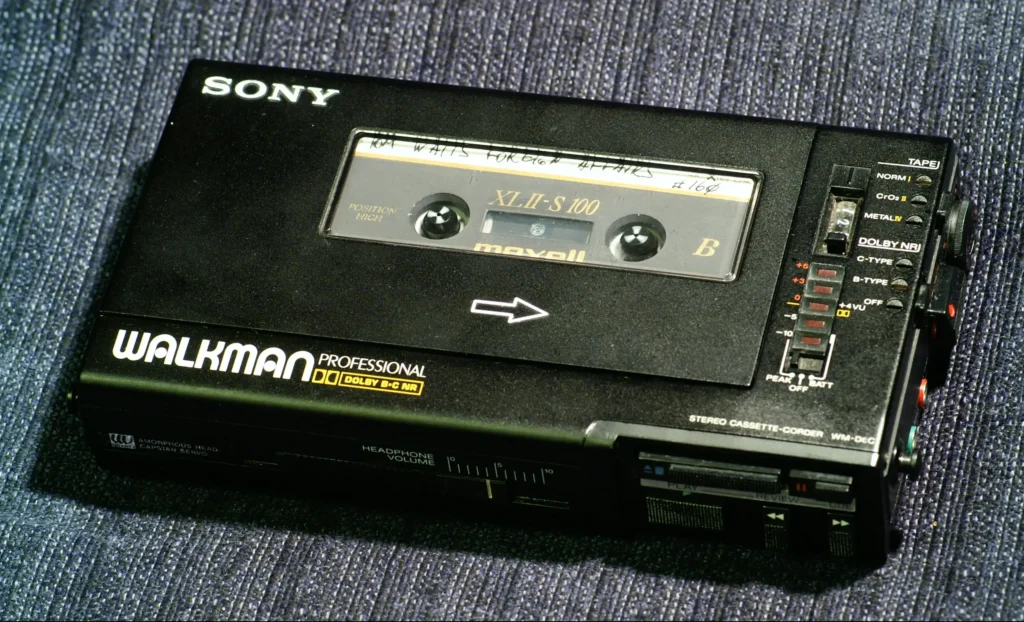
The Sony Walkman launched in 1979, but it exploded in the Sony Walkman 90s as affordable models flooded markets. Sony exec Nobutoshi Kihara dreamed it up after noticing commuters craving private tunes. The first WM-1 retailed at ¥33,000 (about $240 today) a little bit pricey, but it slashed headphone jack woes with a sleek, belt-clip design.
By the 90s, Sony Walkman 90s lineups like the WM-EX series hit peak evolution:
- Analog cassette core: Auto-reverse for non stop playback, Dolby noise reduction for cleaner sound.
- Battery life kings: Up to 10 hours on AA batteries, endless for school commutes.
- Price drop: Entry models under $50, making Sony Walkman 90s a must-have for teens worldwide, including Eastern Europe’s gray markets.
Fun fact: In Eastern Europe (Balkans) during the early 90s transition, Sony Walkman 90s imports via Turkey symbolized “Western freedom.” Smuggled units blared Depeche Mode at Sofia skate parks, outlasting state radio.
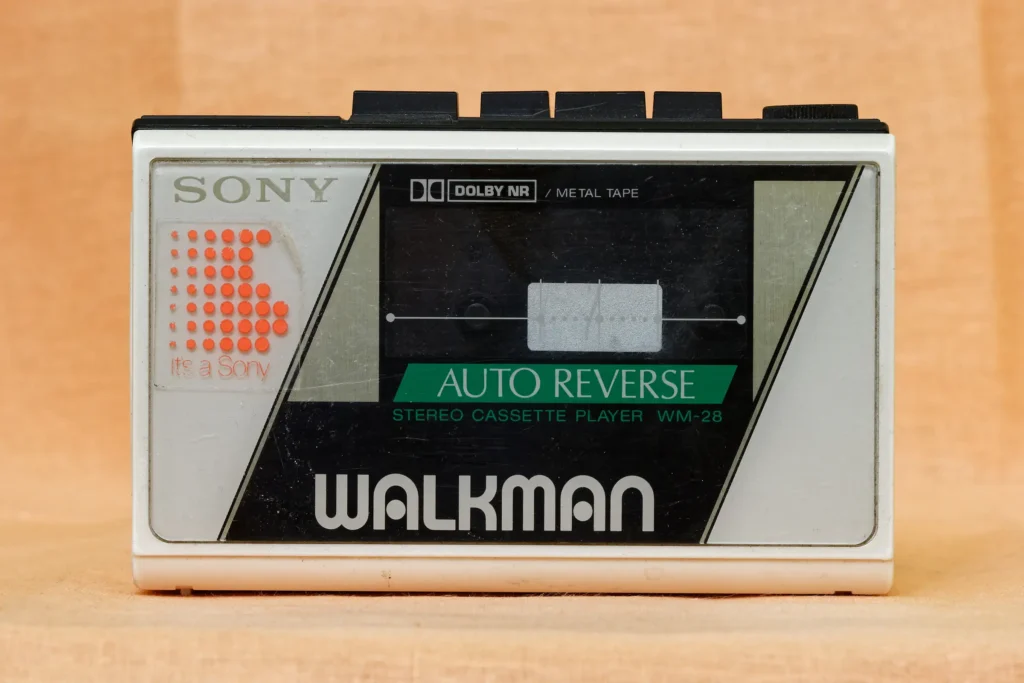
Key Sony Walkman 90s Models That Defined the Era
- WM-10 (1990): Ultra-compact “sports” model with water resistance—perfect for joggers blasting Aerosmith.
- WM-EX99 (late 90s): Mega bass boost and anti-shock, bridging to digital.
- Proof 90s sales boom: Sony shipped 200 million+ units by 1995, per company archives.
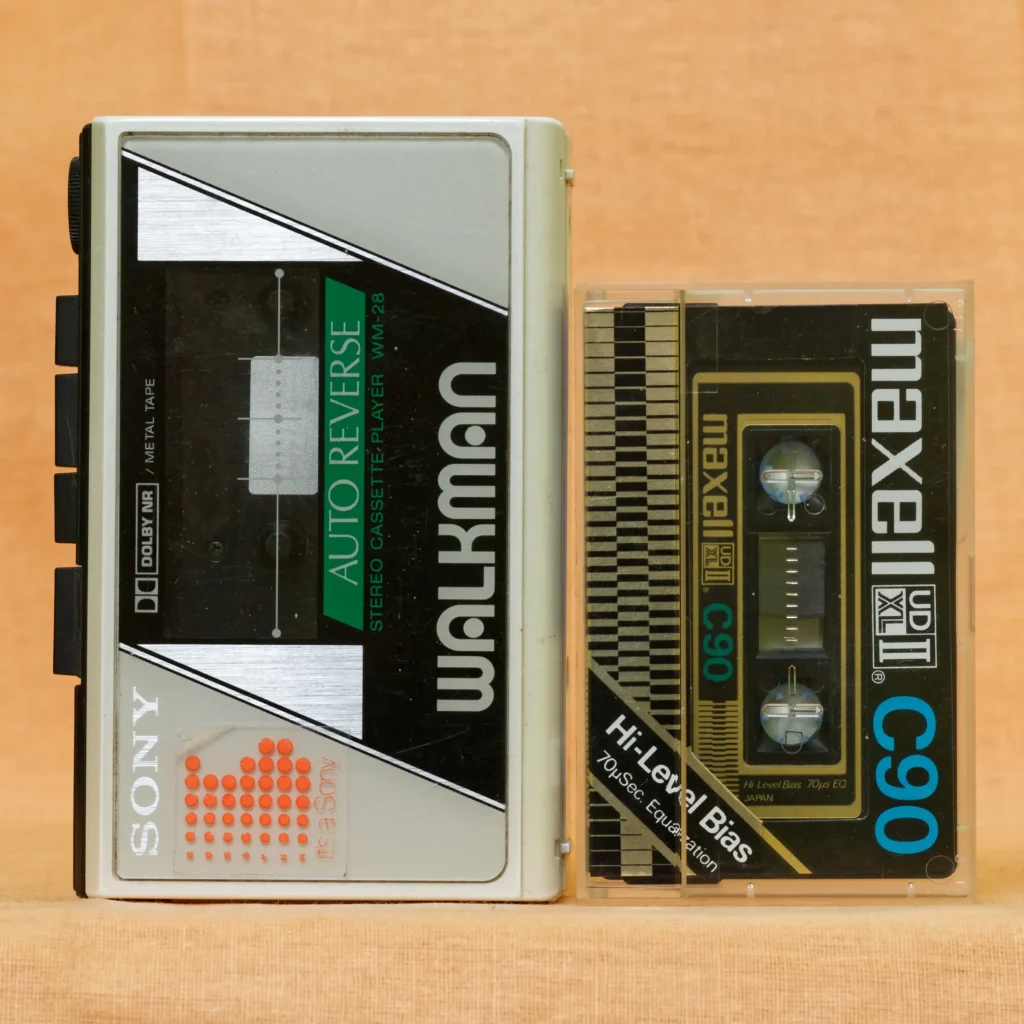
Enter the Discman: Sony’s Shiny CD Challenger
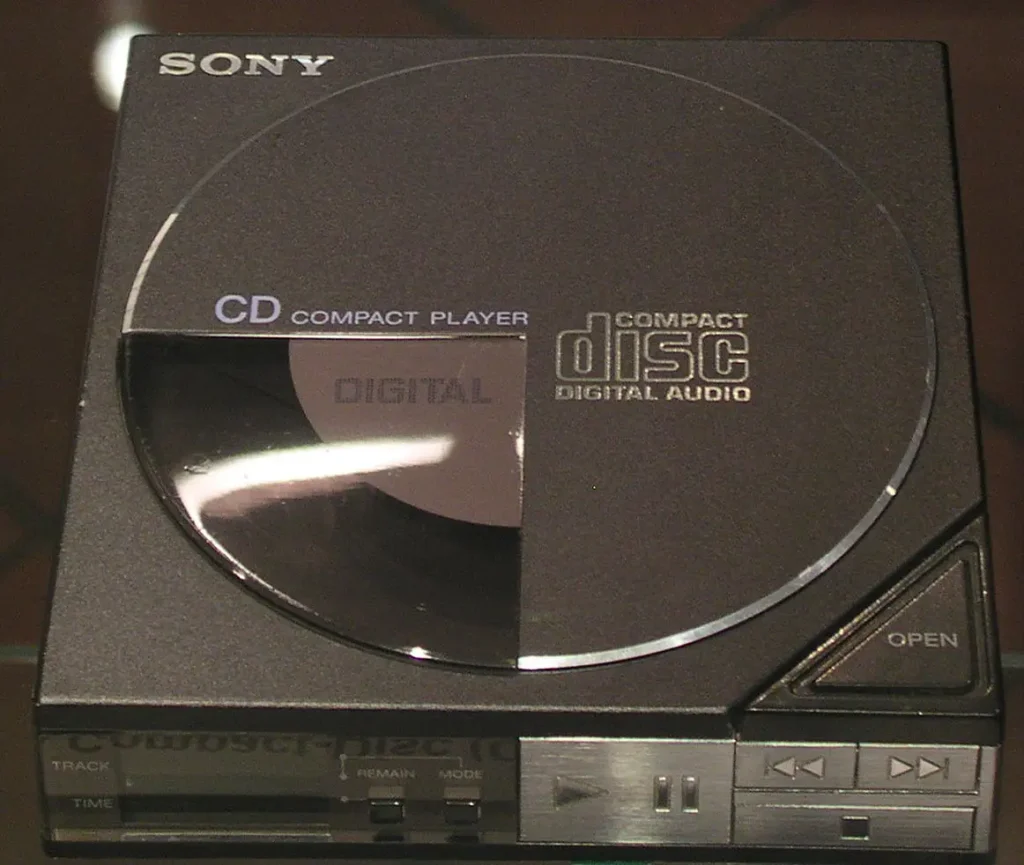
Sony didn’t rest on cassettes. In 1984, the CDP-10 Discman arrived, the first portable CD player. But the real Sony Walkman 90s vs Discman wars ignited mid-decade as CDs went mainstream post 1988 price crashes.
Discman pros crushed Walkman’s hiss:
- Skip-free illusion: Early “shockproof” buffers (1-4 seconds) mimicked tapes.
- Sound superiority: 16-bit digital audio vs cassette’s analog warmth.
- Capacity: 74 minutes per disc—no rewinding mixtapes.
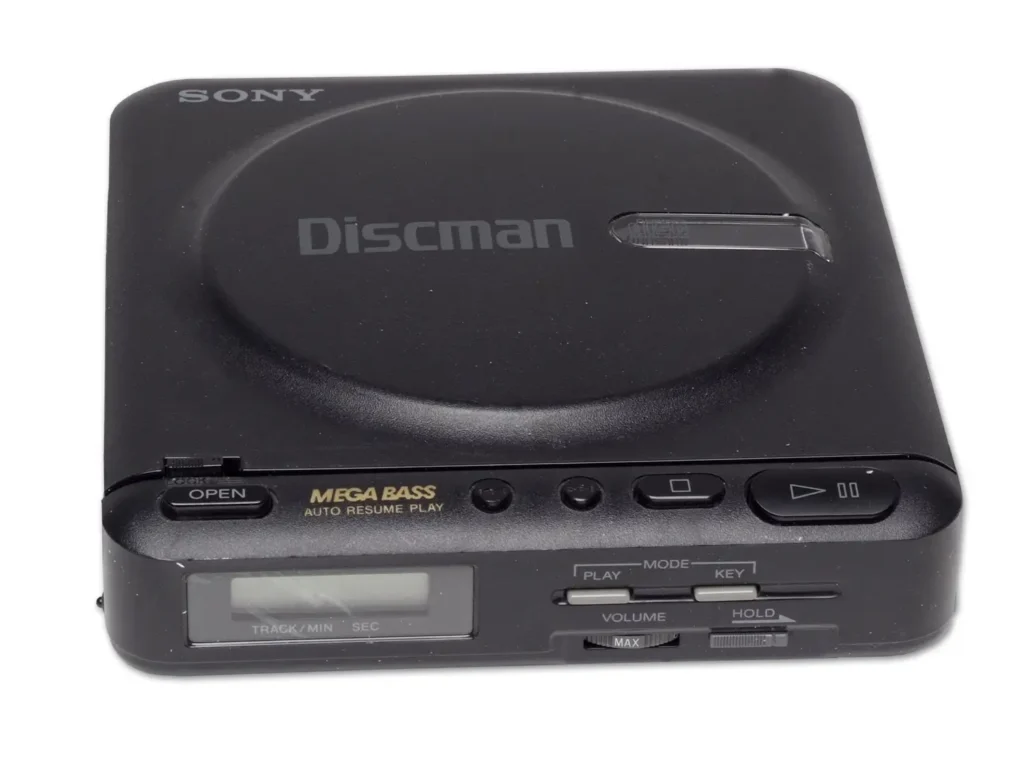
Yet, Walkman vs Discman exposed CD flaws:
- Skip city: Bumps = laser jumps, earning “Discman rage” memes.
- Battery hog: 1-2 hours standard; NiMH packs helped but weighed it down.
- Bulk: Chunkier than Walkman’s featherweight.
By 1995, Sony’s D-88 “sports” Discman added anti-skip, but tapes clung on for reliability.
Walkman vs Discman: Head to Head Tech Breakdown
Pitting Sony Walkman 90s icons against Discman in a 90s showdown? Here’s the data-driven cage match:
| Feature | Sony Walkman 90s (e.g., WM-EX) | Sony Discman (e.g., D-66) |
|---|---|---|
| Format | Cassette (C90 max) | CD (74 min) |
| Sound Quality | Good (Dolby B/C) | Excellent (digital) |
| Skip Resistance | High (mechanical) | Low-Medium (buffered) |
| Battery Life | 10-20 hours | 2-5 hours |
| Weight | 150-200g | 300-400g |
| Price (1995 USD) | $40-80 | $100-150 |
| Best For | Active use, mixtapes | Home-like listening |
Winner? Sony Walkman 90s for everyday warriors, Discman for audiophiles with steady hands. Hybrid “attrac discs” (recordable CDs) tried bridging, but tapes won ruggedness.
Pro tip for collectors: eBay hunts for Sony Walkman 90s models spike nostalgia bids.
Cultural Tsunami: How Sony Walkman 90s Shaped Pop Culture
The Sony Walkman 90s weren’t gadgets, they were identity badges. Walkman vs Discman split cliques, runners rocked Walkmans, car stereos favored Discmans.
Music and Mixtapes: The Personal Playlist Birth
- Mixtape mastery: Curate for crushes (Side A: slow jams; Side B: hype tracks). Sony Walkman 90s made it mobile.
- 90s icons: Kurt Cobain’s Walkman in Nevermind shoots; TLC’s “Waterfalls” video flaunts Discman struts.
- Global waves: In Eastern Europe, Sony Walkman 90s smuggled Western hits past censors.
Movies, Sports, and Daily Life Hacks
- Films: Say Anything (1989) immortalized boomboxes; Reality Bites (1994) had Walkman angst.
- Fitness boom: Jogging with Sony Walkman 90s soundtracks exploded aerobics.
- Humor gold: “Walkman head” from over-ear cans; Discman skips synced to bad luck gags.
MTV Europe ads pushed Sony Walkman 90s as “your world, your music,” syncing with grunge and Eurodance.
Stats That Wow
- 90s peak: 50% of U.S. teens owned a portable player (Nielsen).
- Sony Walkman 90s nostalgia today: TikTok #Walkman has 100M+ views.
The Decline: MP3 Players Steal the Spotlight
By late 90s, Rio and iPod loomed. Sony Walkman 90s clung till 1999 (WM-MT series), but Discman faded faster with MiniDisc hybrids.
Reasons for sunset:
- Digital shift: MP3s ditched media swaps.
- Capacity crush: 1GB players > 74-min CDs.
- Internet rise: Napster (1999) killed physical buys.
Sony pivoted to Memory Walkman (NW-MS series), but the cassette era’s warmth was gone. Today, vinyl revivals nod back.
Reviving Sony Walkman 90s Nostalgia in 2026
Sony Walkman 90s magic endures. Modern homages:
- Retro releases: Sony’s 2019 cassette revival sold out.
- DIY hacks: Raspberry Pi Walkman builds for custom tapes.
- Collector tips:
- Hunt WM-FX series on Etsy ($50-200).
- Clean heads with isopropyl for crisp playback.
- Pair with Bluetooth adapters for hybrid vibes.
Why the Sony Walkman 90s Era Still Echoes
The Walkman vs Discman saga birthed our always ON audio world. Sony Walkman 90s taught us curation over algorithms, Discman promised perfection amid chaos. As Spotify dominates, that tactile joy, ejecting a tape mid run, feels revolutionary.