Write to us:
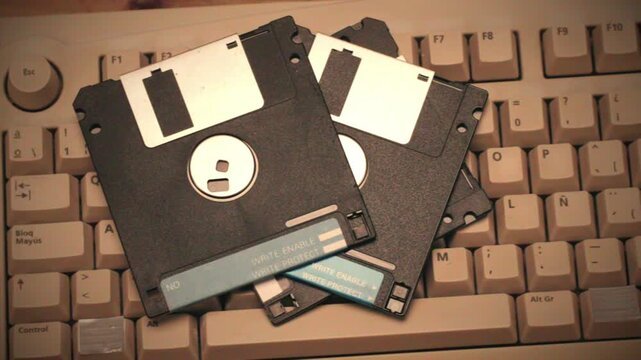

In the shadow of the Iron Curtain, software piracy wasn’t a crime, it was survival. Welcome to the Pirate West, where Eastern Bloc kids turned floppy disks into portals to the future. While the West fretted over copyrights, we copied, cracked, and hacked our way to innovation. This is the untold story of how “piracy” in the Eastern Bloc built a tech powerhouse.
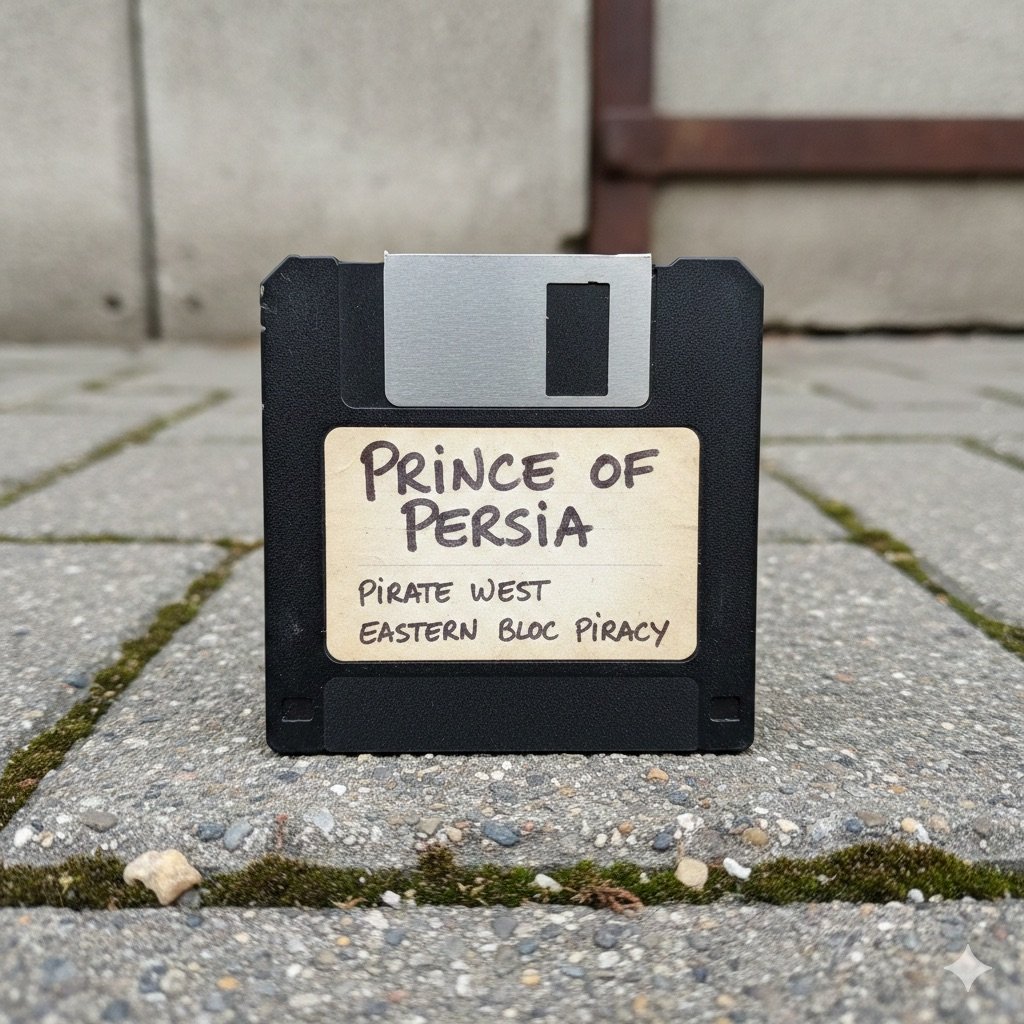
Copy, Paste, Survive: Life in the Pirate West
Picture this: Sofia, 1989. No Steam library, no official Nintendo carts. Just a friend of a friend with a dubious cassette tape of Prince of Persia. In the Pirate West our name for the Eastern Bloc’s wild tech frontier, access trumped ownership.
We dubbed it the “Pirate West” because it felt like peering into America’s digital dream through smuggled glimpses. There were no distributors, no app stores. Hardware? Scarce. Software? Mythical. So we improvised. Cassettes dubbed on battered decks, floppies swapped at schoolyards, ZX Spectrum clones jury rigged in basements.
This wasn’t theft, it was defiance. In a world of bread lines and propaganda, that pirated copy of Tetris (ironically born in the USSR) was your escape hatch. The turbulent ’90s amplified it post-Communist chaos meant black markets thrived, turning every panel block into a node of the underground net.
The Hardware Hackers: From Clones to Code Wizards
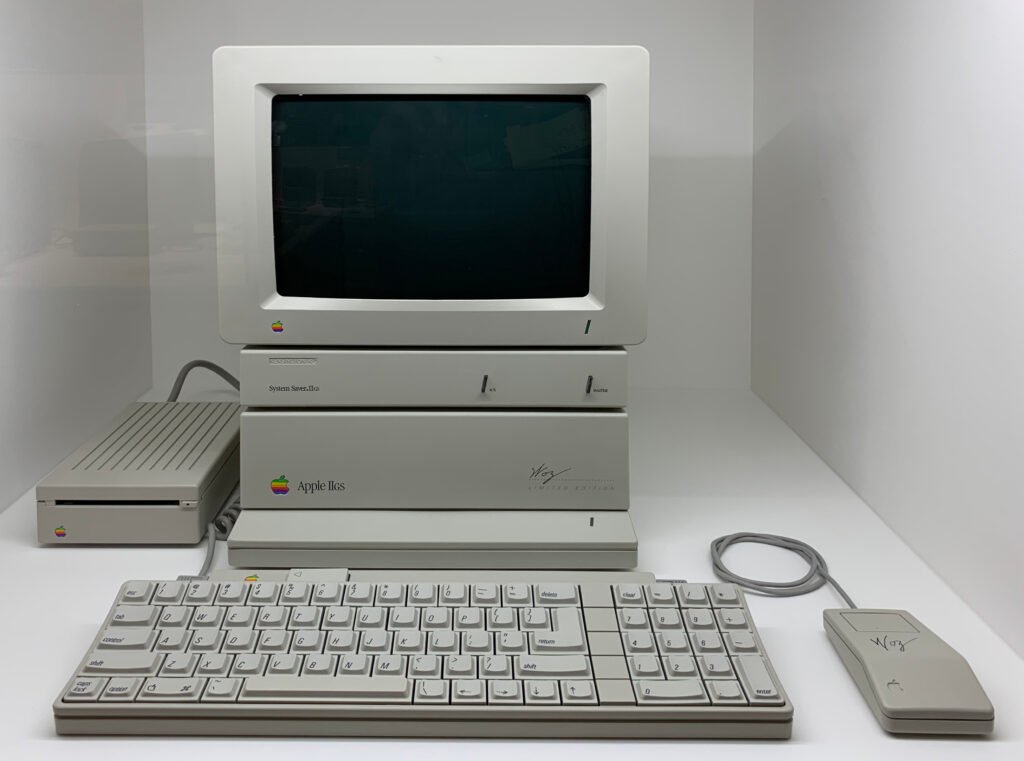
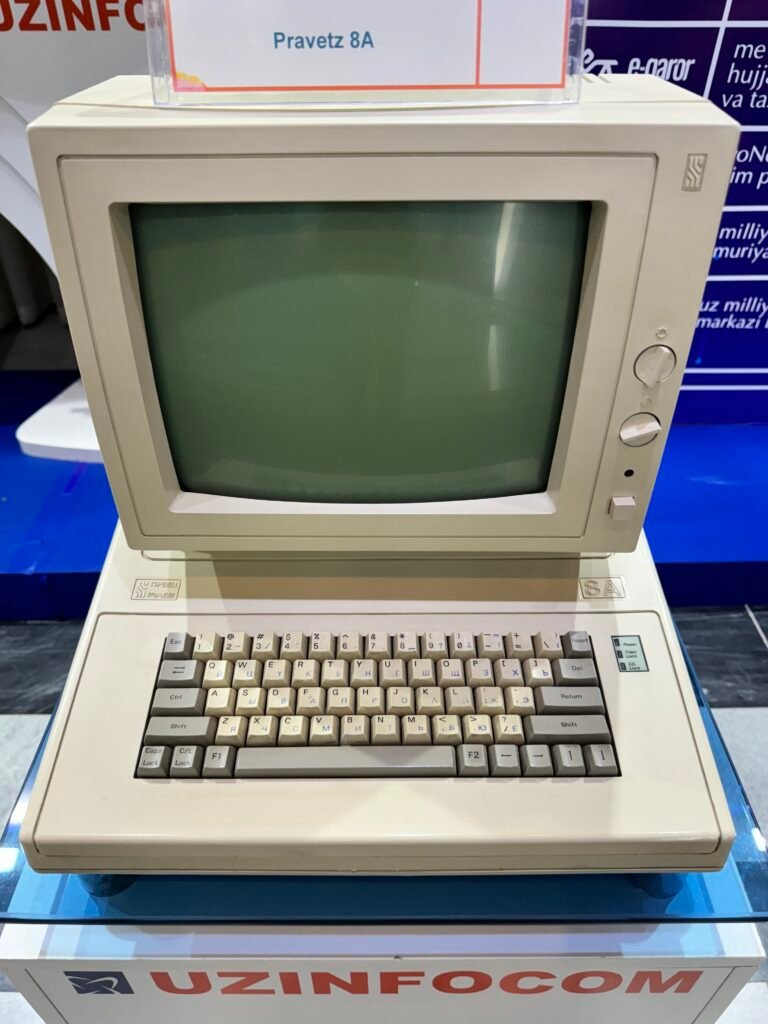
Necessity birthed legends. Enter the hardware hackers of the Pirate West. Without shiny Western imports, we cloned what we could. Bulgaria’s Pravetz-8 computers mimicked the Apple II. Poland’s Elwro 800 Junior aped the ZX Spectrum. Romania’s HC-90? A Frankenstein of scavenged parts.
Kids didn’t just play, they debugged. Games crashed? Dive into the code. No manuals? Reverse-engineer it. This hands on chaos trained a generation. By the time the Wall fell, Eastern Europe’s IT workforce was battle-hardened.
- ZX Spectrum Clones: Over 100 variants across the Bloc, from Yugoslavia’s Lola 8 to Czechoslovakia’s Didaktik. Pirated games like Manic Miner taught BASIC on the fly.
- Pravetz Machines: Bulgaria’s state sanctioned Apple clones ran cracked CP/M software, birthing early programmers.
- Floppy Swaps: 5.25-inch disks passed hand-to-hand, often with custom cracks to bypass copy protection.
In a gray Soviet sea of concrete panelaks, that flickering monitor blasting pirated DOOM was pure color. Doom? Smuggled via BBS boards or tape traders, it ran on anything with enough RAM. One crash, and you’d learn assembly language to patch it.
Cracking the Code: Why Piracy Fueled Eastern Europe’s Tech Boom
Forget the myth: lax copyright didn’t destroy creativity, it supercharged it. Western firms cried foul, but the Pirate West proved piracy as accelerator.
Take Estonia. In the ’90s, 90% of software was pirated. Result? Skype’s founders honed skills on cracked copies. Serbia’s scene birthed Nordeus, a gaming giant. Bulgaria? Home to Chaos Group (V-Ray renderers), whose devs cut teeth on pirated 3D Studio.
Data backs it: A 2002 study by the Bulgarian Academy of Sciences found pirate networks created “organic knowledge sharing,” boosting coding literacy 3x over official education. No enforcement meant no barriers, pure meritocracy.
The Dark Side of the Disk
It wasn’t all glow. Cracked software spread viruses. Shady traders peddled fakes. Yet even failures taught resilience. One Bulgarian kid (maybe me) lost a weekend to a bootleg Wolfenstein 3D worm, lesson learned, firewall invented.
Echoes of the Pirate West Today
Fast-forward to 2025. Eastern Europe’s tech hubs: Warsaw, Bucharest, Sofia, owe their silicon valleys to those floppy days. Companies like Grammarly (Ukraine) and Avast (Czechia) trace roots to hacker ethos. Even globally, the Bloc punches above: 25% of Western devs are Eastern trained migrants.
The Pirate West lingers in open-source culture, torrent nostalgia, and that unbreakable DIY spirit. Copyright evolved, we did too.
Lessons from the Iron Curtain’s Digital Underground
The Pirate West flips the script: Access breeds innovation. In today’s walled gardens of DRM and subscriptions, maybe we need a dash of that old anarchy.
What if Silicon Valley had started with clones? Would AI be further along?