Write to us:
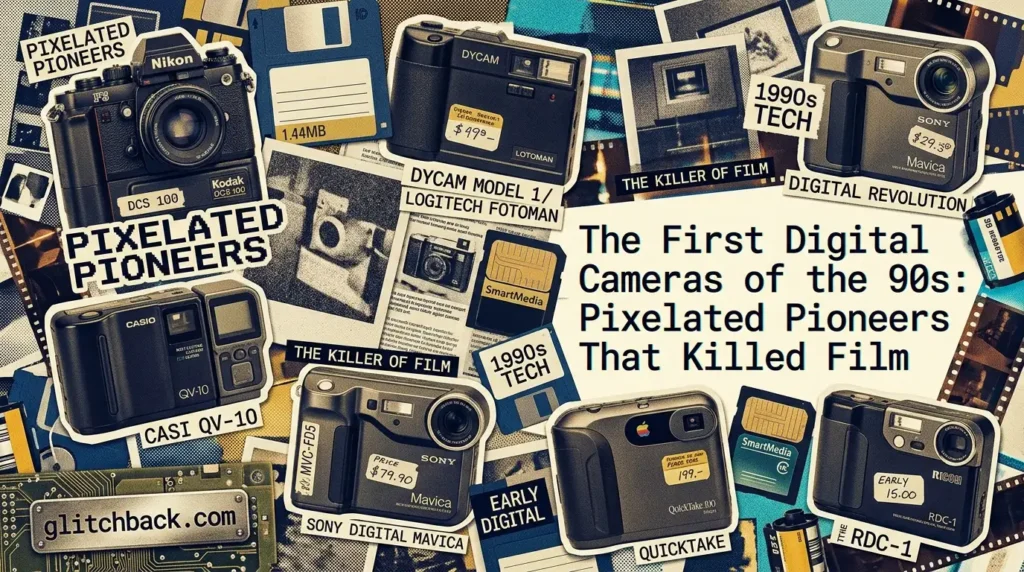

The 1990s marked the awkward adolescence of photography, where clunky black and white gadgets dared to challenge the supremacy of film rolls. These early digital cameras, like the Dycam Model 1, weren’t just tech toys, they sparked a revolution that made instant images possible for everyday folks.
Dawn of Digital Disruption
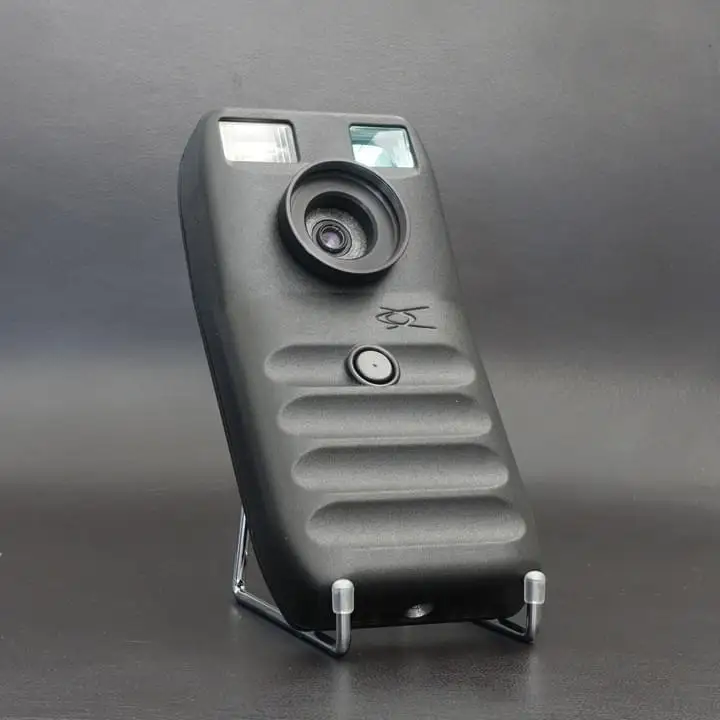
The first consumer digital camera hit shelves in 1990: the Dycam Model 1, also sold as the Logitech Fotoman. This gray brick captured black and white VGA images (about 0.3 megapixels) with no LCD screen, just a viewfinder and 1MB of memory for 32 shots.
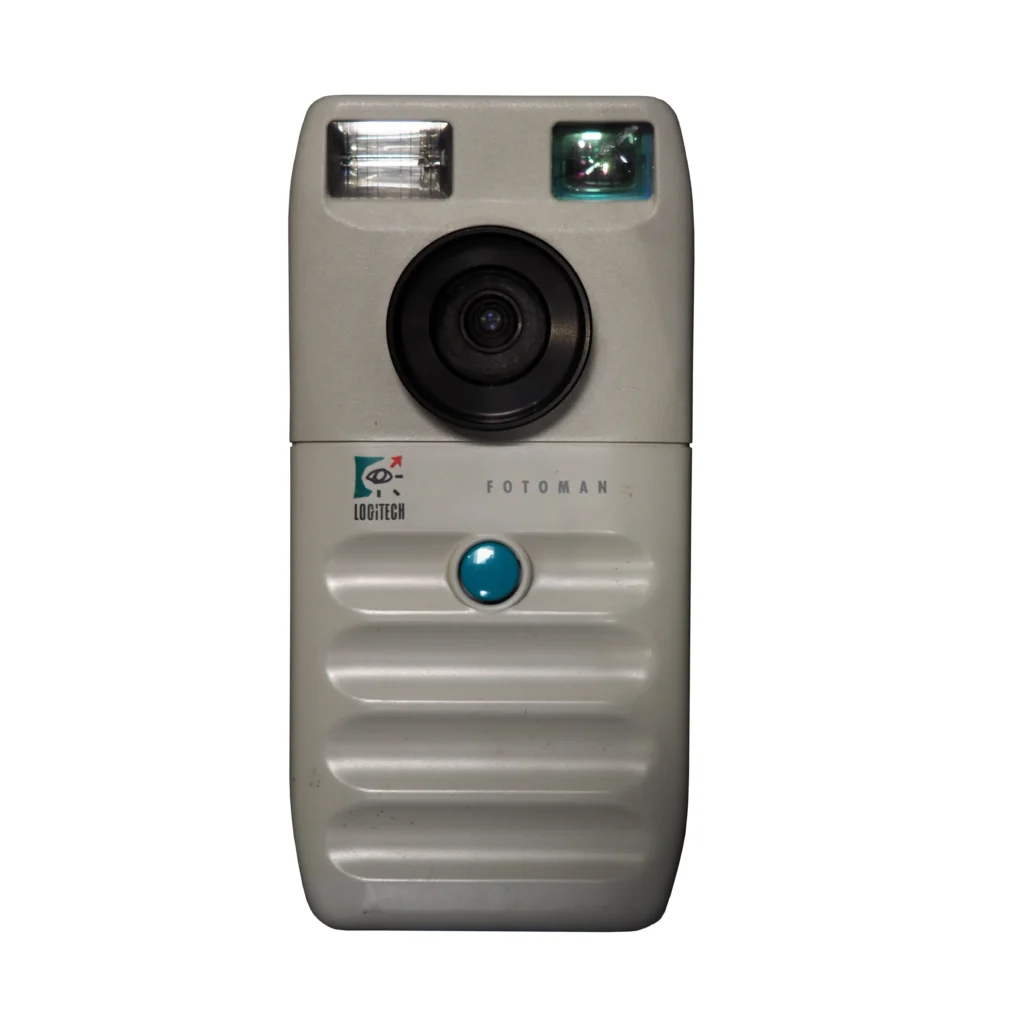
Priced at around $1,000, it connected to a PC via serial cable for downloads, a far cry from today’s Wi-Fi snaps. Kodak engineer Steven Sasson invented the first digital prototype in 1975, but consumer models like Dycam made it real in the 90s, ditching film development costs.
Behind the scenes, pros got digital backs like Phase One’s 1990 PhotoPhase for medium-format cameras, boasting 5,000 x 7,200 pixel CCDs, luxuries for studios, not street shooters.
Iconic Early Models
- Dycam Model 1 (1990): B&W only, no preview screen, but the true first consumer digital sold in the US, perfect for tech nerds tired of darkrooms.
- Ricoh RDC-1 (1995): 0.4MP color images, $1,700 price tag, and a flip-out LCD that felt futuristic; stored on PC cards.
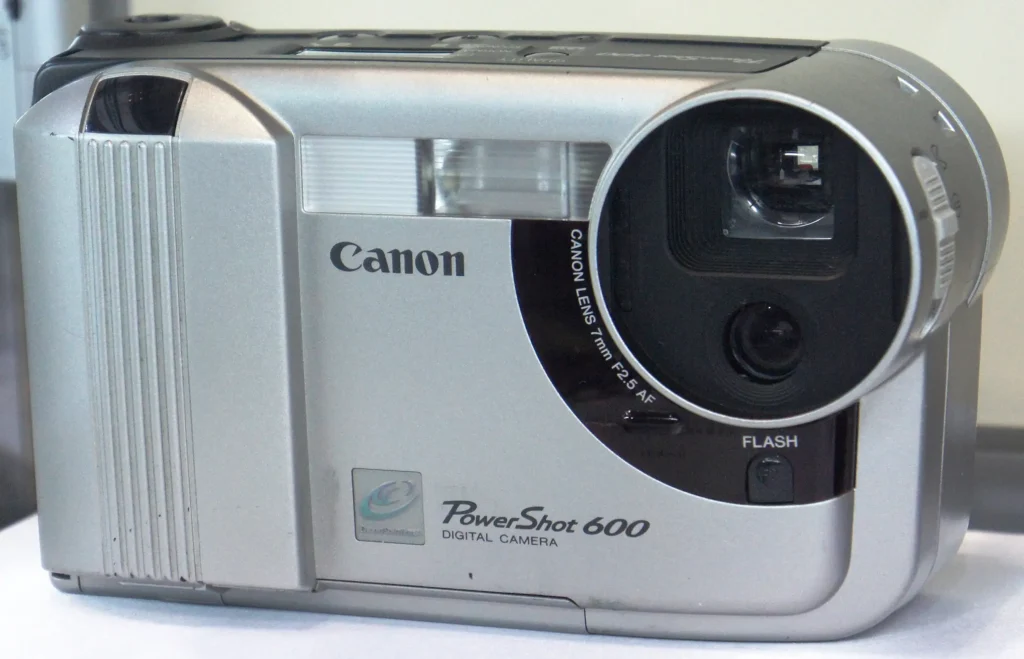
- Canon PowerShot 600 (1996): Canon’s first consumer digital compact at 0.3MP, kicking off a line that dominated the late 90s for travelers and families.
- Polaroid PDC-2000 (1996): Zoom lens and 0.3MP sensor made it a quirky pro tool, though still pricey and low-res.
These relics look hilarious now postage stamp images, proprietary batteries, but they hooked users on “shoot, see, delete” freedom.
Tech Specs and Quirks
Early 90s digitals leaned on CCD sensors, tiny resolutions (0.09-0.4MP), and minimal storage. No autofocus or zoom in most, batteries died fast, and files needed Photoshop 1.0 (launched 1990) for editing.
Prices rivaled new cars, but dropping costs by decade’s end (thanks to Moore’s Law) brought digitals to the masses.
Eastern Europe’s Digital Awakening
While Japan and the US led, Eastern Europe embraced 90s digitals amid post-Soviet tech booms. In Poland and Czech Republic, universities and photo labs snapped up Kodak and Canon models for journalism, bypassing film shortages.
Russia’s nascent internet cafes doubled as Photoshop hubs, where hackers modded Dycam like cams for black-market sales. By late 90s, Hungary’s media outlets used Ricoh RDC-1s for quick news pics, fueling a regional shift from Soviet era film to pixel power—nostalgic gear that bridged analog communism to digital capitalism.
Why They Mattered
These pixel pioneers killed film’s reign by 2000s, birthing smartphones’ cameras. They forced Adobe’s rise, enabled web image sharing, and glitched our way to Instagram.
Imagine no Y2K memes without 90s digitals’ fuzzy aesthetic—glitchy, grainy, gloriously imperfect. For glitchback.com readers, they’re the ultimate retro tech flex: proof that big leaps start small and square.
Legacy in Modern Lenses
Today’s mirrorless beasts owe everything to 90s experiments; Canon’s EOS D30 (2000) was the first in-house DSLR. Hunt eBay for a Dycam today, plug it into a retro PC, and feel the future’s past. Perfect for your next blog photoshoot on vintage vibes.