Write to us:
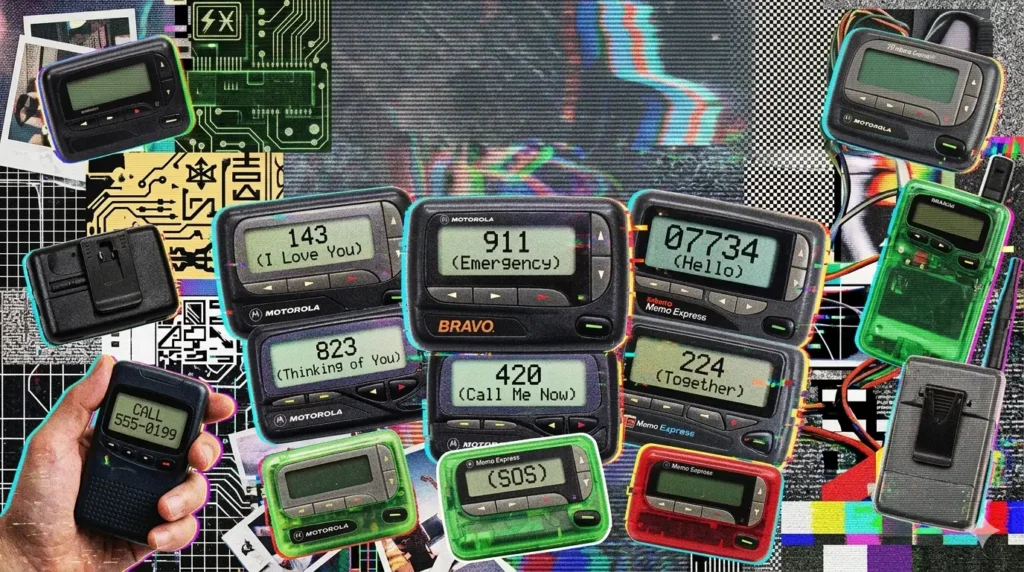

Remember the thrill of a pager buzzing on your belt? Back when “texting” meant decoding cryptic numbers like 07734 (hello upside down), pagers ruled communication. No emojis, no keyboards, just numeric pagers turning beeps into secret messages. This deep dive into the history of pagers explores how these pocket-sized revolutionaries bridged the gap from payphones to smartphones, with beeper codes that teens, doctors, and even 90s ravers in Sofia lived by.
The Birth of Pagers: From Radio Waves to Belt Clips
Pagers trace their roots to the 1920s, but they exploded in the 1980s as one-way pagers became affordable status symbols. Invented by Al Gross in 1949, the technology mimicked two-way radios but simplified to one direction: sender to receiver.
By the 1980s, pager adoption skyrocketed. In the US, over 20 million units shipped annually by 1994. Eastern Europe, including Bulgaria, caught the wave later, pagers hit Sofia streets in the early 90s amid post-communist tech booms, often smuggled or imported via gray markets. Doctors paged colleagues with patient codes, taxi drivers got dispatch numbers. No apps needed, just a numeric display and your imagination.
Fun fact: The first commercial pager service launched in 1922 for New York doctors, charging $12/month (about $200 today). Talk about early adopter pricing!
How Pagers Worked: The Magic of Numeric Codes
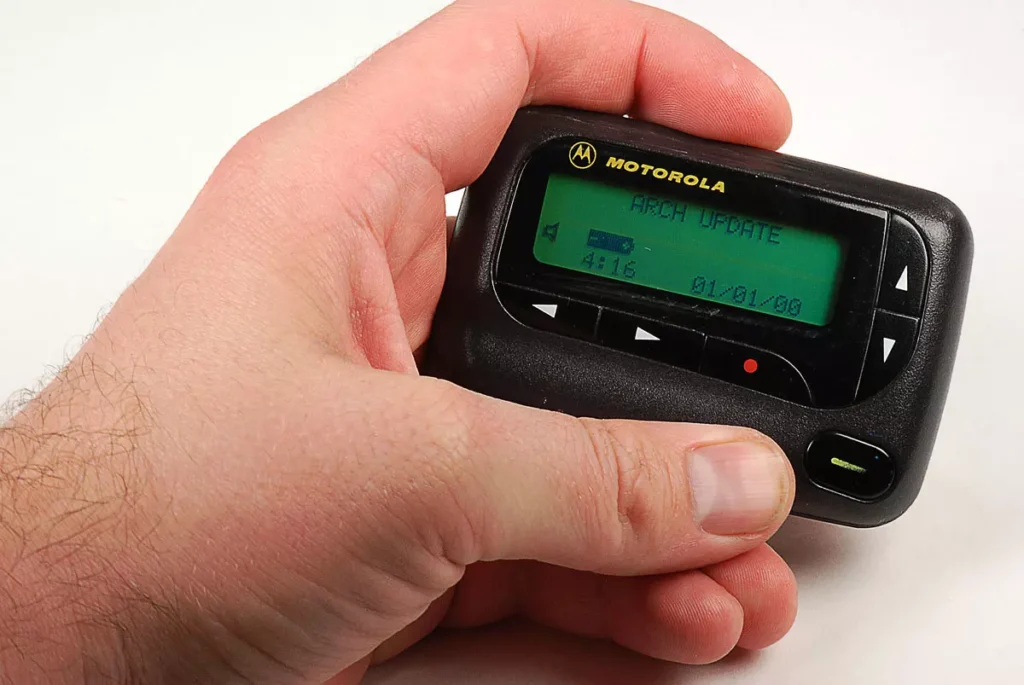
Ever wonder how pagers when texting meant numbers actually functioned? Most were numeric pagers, displaying 7-10 digits from a sender dialing a toll-free number. No letters, so creativity reigned.
- Basic calls: Sender dialed the pager’s PIN followed by a phone number (e.g., 123456-555-1234 = “Call me at 555-1234”).
- Time stamps: 1430 meant “Call at 2:30 PM.”
- Beeper codes evolved into a global teen language, like Morse code on steroids.
Pagers used radio frequencies (VHF/UHF) via local towers. Range? Up to 30 miles in cities like Sofia, less in rural spots. Battery life lasted weeks, eat your heart out, modern smartwatches.
Beeper Codes: The Original Text Speak
Pager messages weren’t just numbers, they were a subculture. Teens flipped pagers upside down for words, creating beeper codes that spread via word-of-mouth and early zines. Here’s a nostalgia packed list of classics:
- 07734: “Hello” (upside down).
- 143: “I love you” (one letter, four words, three letters).
- 831: “8 letters, 3 words, 1 meaning” (I love you).
- 007: “Bond, James Bond” or “I’m ready.”
- 911: Emergency (borrowed from US services).
- 4YEO: “For your eyes only.”
- 14106: “I love you more than pizza” (playful twist).
In 90s Eastern Europe, local flavors emerged—pagers synced with MTV hits and pirated Western pop. Ravers in Sofia clubs paged 53087 (“BOJ” or “come here” in code). Stock traders used 69 for “buy,” 96 for “sell.” Safety tip: Never page 8008 unless you wanted “BOOB” replies.
These codes peaked in the mid-90s, with books like Beep Code Bible selling millions. They prefigured SMS shorthand, proving pagers birthed modern texting lingo.
Pagers in Pop Culture: From Clueless to Bulgarian Beatboxes
Pagers screamed 90s cool. In Clueless (1995), Cher Horowitz’s beeps signaled social drama. Hip-hop immortalized them, think Ice-T’s “99 Problems” pager references or Notorious B.I.G.’s numeric flexes.
MTV Europe beamed pager ads into Eastern homes, fueling demand. In Sofia, post 1989 liberalization meant pagers symbolized freedom, youth paged friends to meet at Vitosha Boulevard cafes, dodging militsiya (police).
Music tie-in: Technotronic’s “Pump Up the Jam” era saw clubbers paging beats (e.g., 120 BPM as 120). Pagers even starred in The Simpsons, Homer’s “beep beep” addiction mirrored real life.
Peak Pager Era: 1994’s Billion-Dollar Boom
By 1994, the world had 61 million pagers, 61% in North America, but Asia and Europe surged. Motorola dominated with models like the Advisor Elite (alphanumeric, $200+). Balkan’s market? Imports via Turkey/Greece, with local services like Mobiltel (Bulgaria) precursors charging 50 leva/month.
Business loved them: 80% of Fortune 500 execs carried one. Hospitals paged codes like DR123 (Dr. Ivanov, room 123). Drawbacks? One-way only, no replies without a payphone dash.
Global stats:
| Year | Pagers in Use (Millions) | Key Milestone |
|---|---|---|
| 1980 | 2.1 | US doctors dominate |
| 1990 | 22 | Teens adopt beeper codes |
| 1994 | 61 | Peak worldwide |
| 2001 | 50+ (decline) | SMS kills numeric pagers |
The Fall: Why Smartphones Killed Pagers
Enter two-way pagers like BlackBerry (1999), then Nokia 3210 SMS (1999). Numeric pagers couldn’t compete, why decode 143 when “ILU” was two taps?
- Cost: SMS cheaper after carriers slashed rates.
- Two-way magic: Instant replies, no phone hunt.
- Y2K irrelevance: Pagers lacked calendars/apps.
By 2002, US pagers dropped 50%. Europe mirrored this streets swapped belt clips for Ericsson T10s by 2005. Legacy? They paved texting’s path, today’s 143 emoji nods to beeper roots.
Pagers Today: Niche Heroes in Dead Zones
Pagers persist where cells fail. US hospitals use them (99.9999% reliability vs. WiFi’s 99.9%). Japan has 10 million active units. In disasters like Japan’s 2011 quake, pagers outlasted mobiles.
Modern twists:
- Encrypted models for military/police.
- Retro revivals on eBay (collectors pay $50+ for 90s Motorolas).
- Apps mimicking beeper codes for nostalgia chats.
Lessons from Pagers: Simplicity in a Smartphone World
Pagers remind us communication thrived pre-algorithms. When texting meant numbers, we crafted meaning from digits, sparking creativity smartphones dulled with autocorrect. They democratized urgency, from New York ERs to Sofia discos.
Next time your phone buzzes, flip it upside down. 07734 still says hello. What’s your favorite beeper code memory?