Write to us:
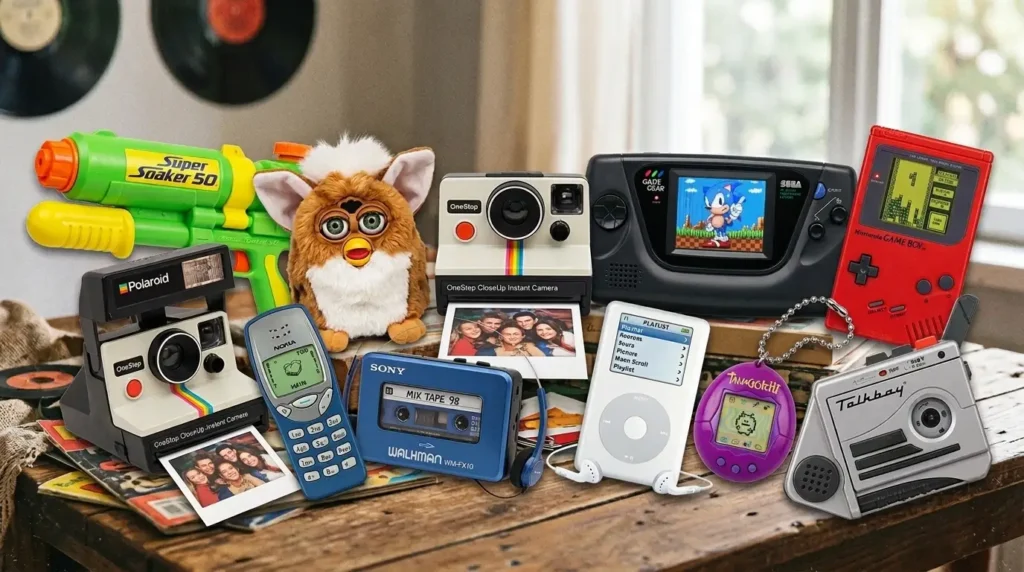

The 1990s marked a tech revolution that felt like pure magic, especially in Europe where the internet was dialing up slowly and mobile phones were novelties. In Eastern Europe, including Bulgaria and Balkan countries the fall of the Iron Curtain flooded markets with Western gadgets, turning kids’ dreams into reality amid economic shifts. These 90s gadgets weren’t always practical, many were toys or clunky prototypes, but they sparked obsession. Owning one meant holding the future. From portable gaming to digital pets, here are 10 iconic 90s gadgets that defined childhood worldwide, with a nod to how they lit up homes from Sofia to Warsaw.
1. Tamagotchi (1996): The Digital Pet That Demanded Your Soul
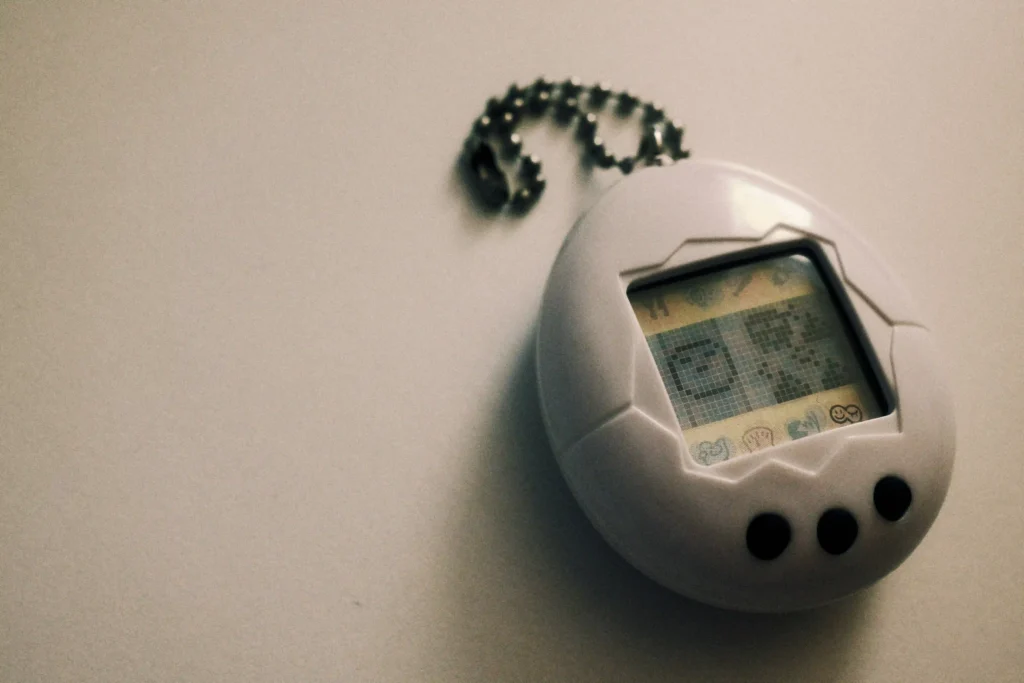
Bandai’s Tamagotchi hit Japan in 1996 and exploded globally soon after, selling over 40 million units. This egg shaped keychain featured a pixelated creature you had to feed, play with, clean, and discipline via three buttons. Neglect it, and it’d “die”, a gut-punch that taught responsibility before smartphones.
In Eastern Europe, Tamagotchis became a status symbol post 1989. Bulgarian kids smuggled them from Turkey or Poland, where bootleg versions flooded bazaars. Schools in Sofia and Warsaw banned them as kids sneaked peeks during math class. It previewed our emotional bonds with apps like Pokémon GO.
Fun 90s fact: Over 40 million sold in years, proving pixels could break hearts.
2. Game Boy (1989–90s Dominance): Portable Gaming’s King
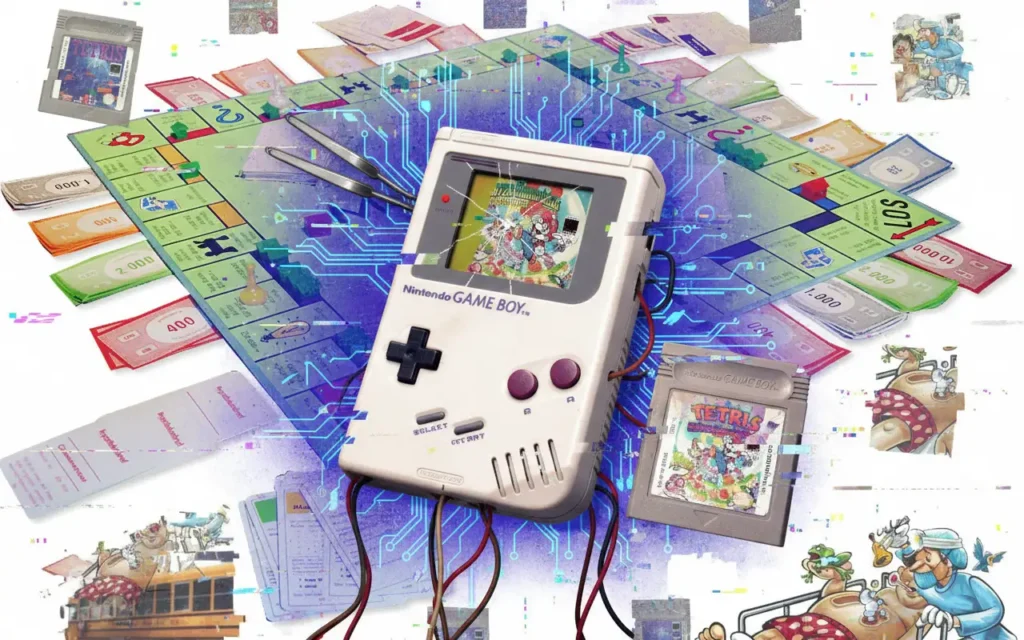
Nintendo’s Game Boy launched in 1989 but ruled the 90s, selling 118 million units (including Color). Its green tinted screen ran Tetris bundles for 30 hours on AA batteries, letting kids build cartridge libraries anywhere.
Europeans adored it, British playgrounds buzzed with Pokémon trades, while in Eastern Europe, gray-market imports from Germany made it a post communist luxury. Summer camps in the Balkans turned into Tetris tournaments.
Why it mattered: It made gaming personal, evolving into Nintendo Switch today.
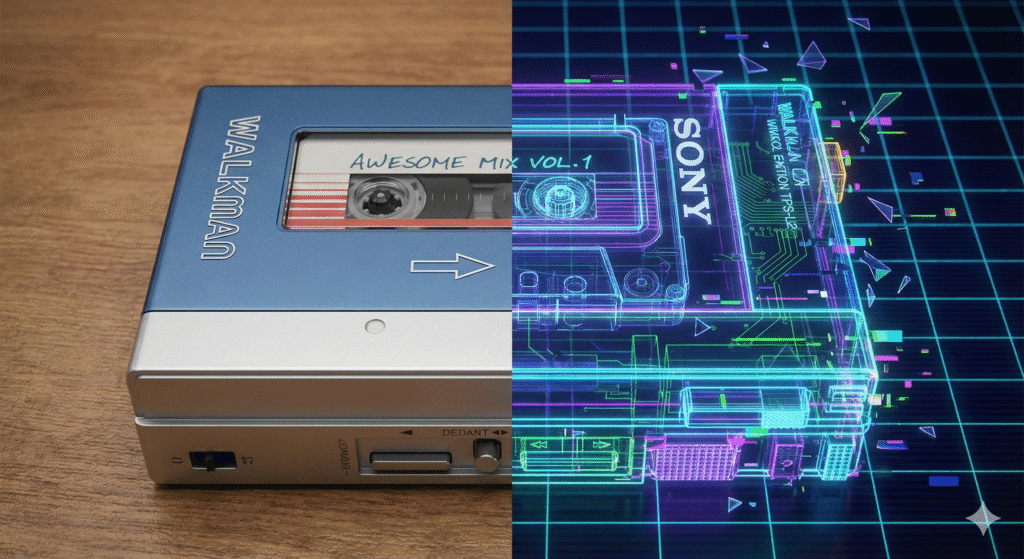
3. Sony Walkman: Mixtape Freedom on the Go
Sony’s Walkman, born in 1979, peaked in the 90s as the ultimate personal stereo. Cassette decks, foam headphones, and radio recorders let you curate soundtracks for bike rides or bus commutes.
In Eastern Europe, “walkman” became generic, like “xerox.” Bulgarian teens in Sofia swapped mixtapes of Depeche Mode and local chalga hits on Soviet era knockoffs like the “Elektronika” from Russia or Polish Unitra models. CDs arrived late-decade, but tapes ruled.
Iconic stat: It birthed portable music, paving for Spotify.
4. Talkboy (1992): Prank Voice Changer from Home Alone
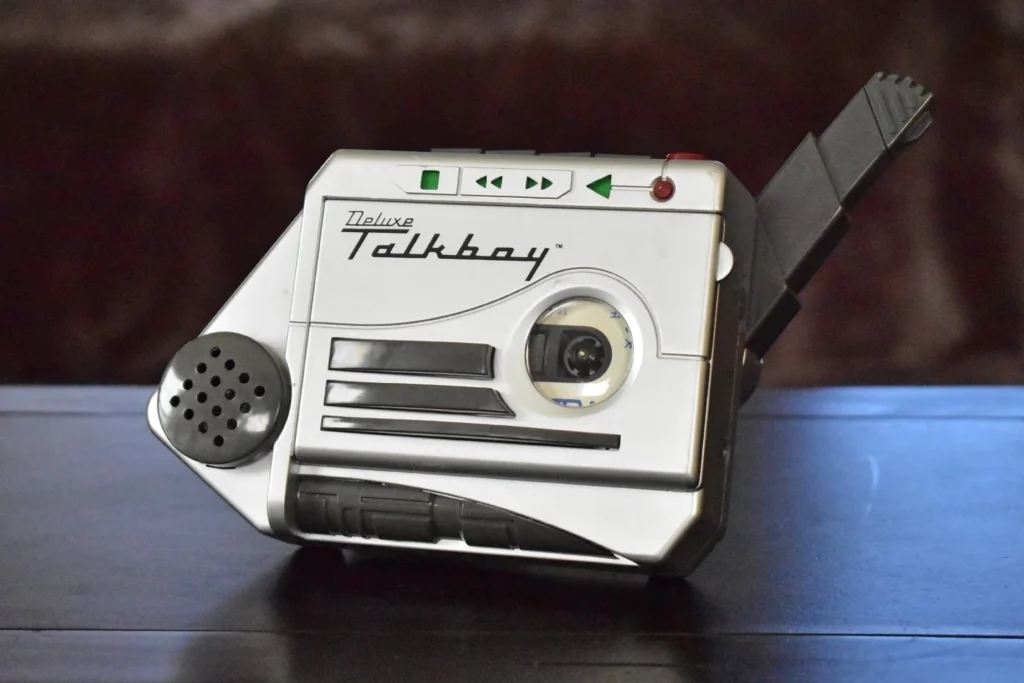
Tiger Electronics’ Talkboy shot to fame as a Home Alone 2 prop, then became a real toy. Record voices, slow them to chipmunk speed or deepen to monster growls, perfect for endless pranks.
Western kids loved it for holidays, but in Europe, it inspired DIY versions. Eastern European versions popped up in Hungary, mimicking the speed-shift for schoolyard laughs amid MTV fever.
Holiday hit: Top Christmas request, fueling a prank epidemic.
5. Super Soaker (1990): Backyard Water Wars Evolved
Engineer Lonnie Johnson’s Super Soaker used air pressure for epic streams, dwarfing wimpy squirt guns. Over 200 million sold worldwide since 1990.
In hot European summers, it dominated, British garden parties and Bulgarian Black Sea beaches turned tactical. Local clones like Poland’s “Super Water Blaster” kept the fun alive cheaply.
Game-changer: Elevated water fights to strategy sessions.
6. Furby (1998): The Creepy Talking Furry Friend
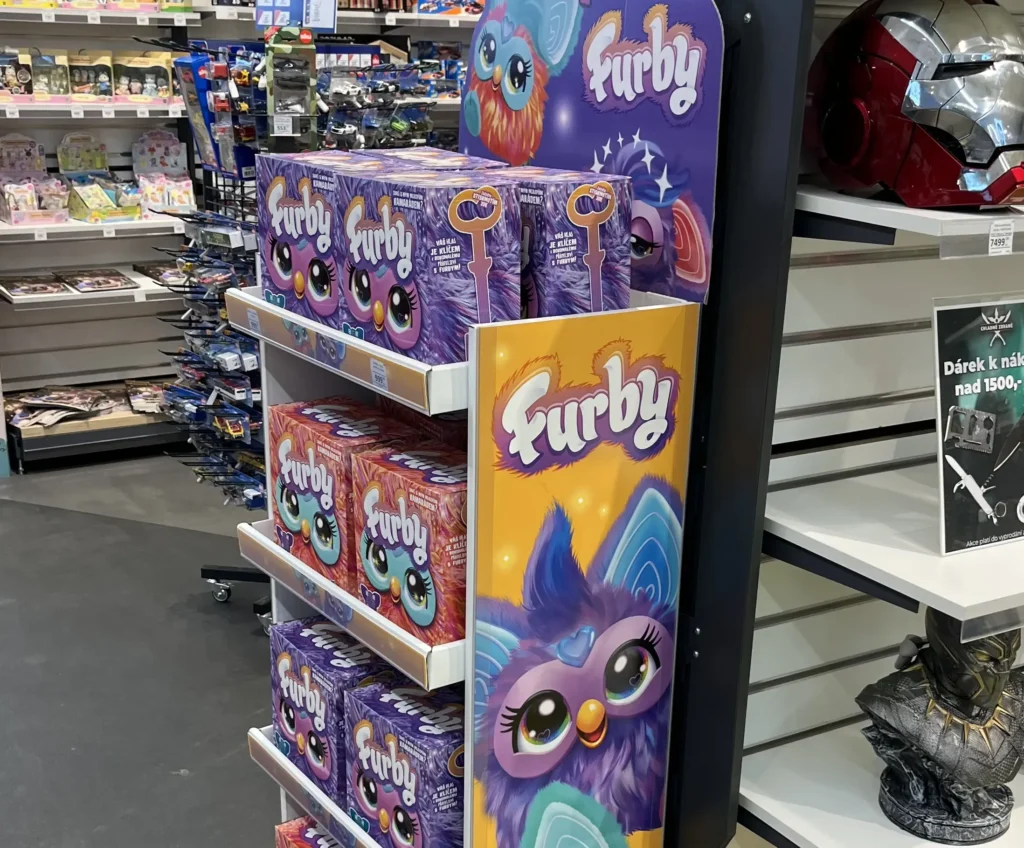
Hasbro’s 1998 Furby spoke “Furbish” gibberish, gradually “learning” English via sound and touch. Over 40 million sold in three years, despite spy fears banning it from U.S. offices.
Europe went wild, UK shelves emptied, and in Eastern Europe, families snapped them up as “smart” toys amid rising consumerism. Rumors of recording fueled paranoia in post-spy-state homes.
Eerie appeal: Felt alive, hinting at AI companions like Alexa.
7. Polaroid Instant Camera: Magic Photos in Minutes
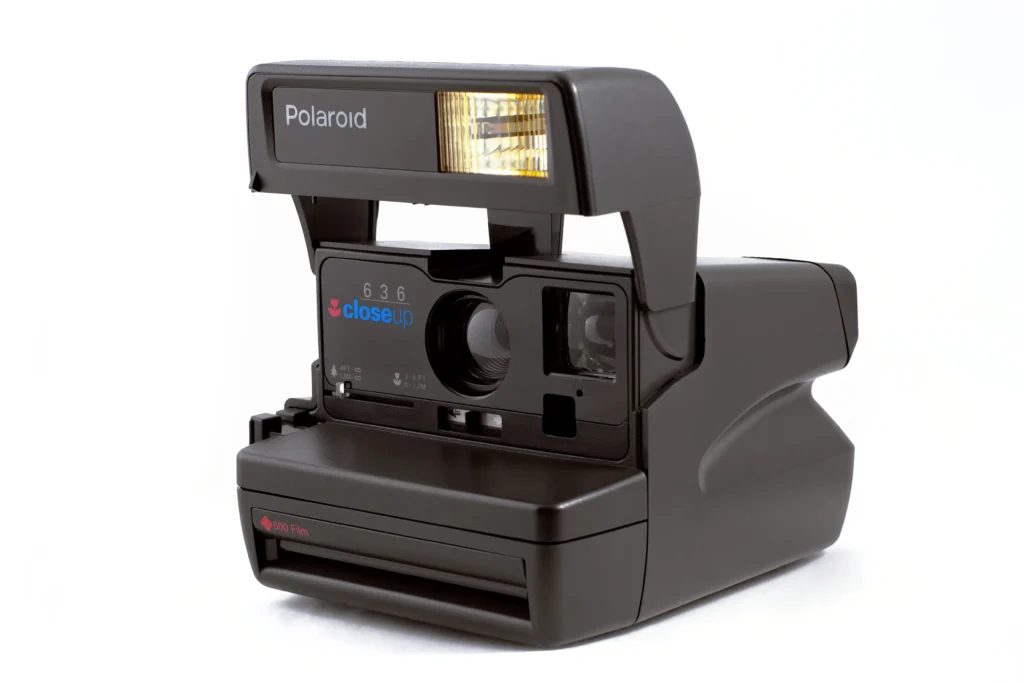
Polaroid’s instant cams spat out self developing pics in 60 seconds, party snapshots, school trips, faded memories.
In Europe, it boomed at festivals birthday parties or UK raves. Eastern versions from East Germany lingered, but Polaroid’s shake to develop ritual (myth busted) captivated kids.
Nostalgic magic: Physical pics before Instagram filters.
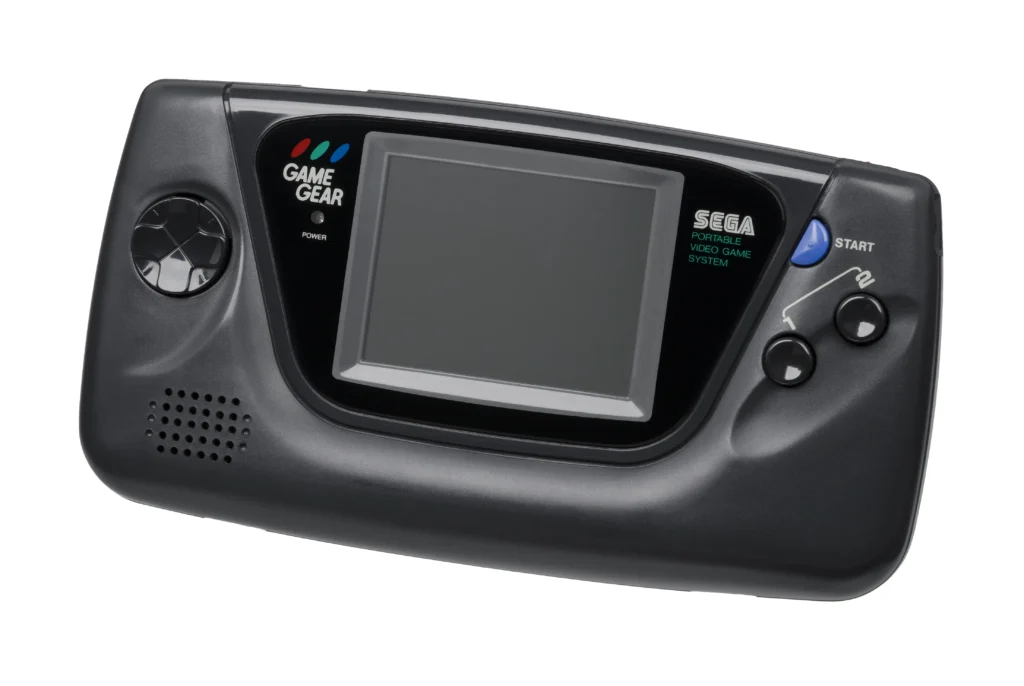
8. Sega Game Gear (1990): Color Gaming with a Battery Curse
Sega’s 1990 Game Gear boasted a color screen (4096 hues) and TV tuner adapter, outshining Game Boy’s monochrome.
Brits and Germans flaunted it, but battery drain (3 hours!) was infamous. In Eastern Europe, rare imports thrilled Budapest gamers, Russian clones offered cheaper thrills.
Flashy flaw: Power-hungry pioneer of portable color.
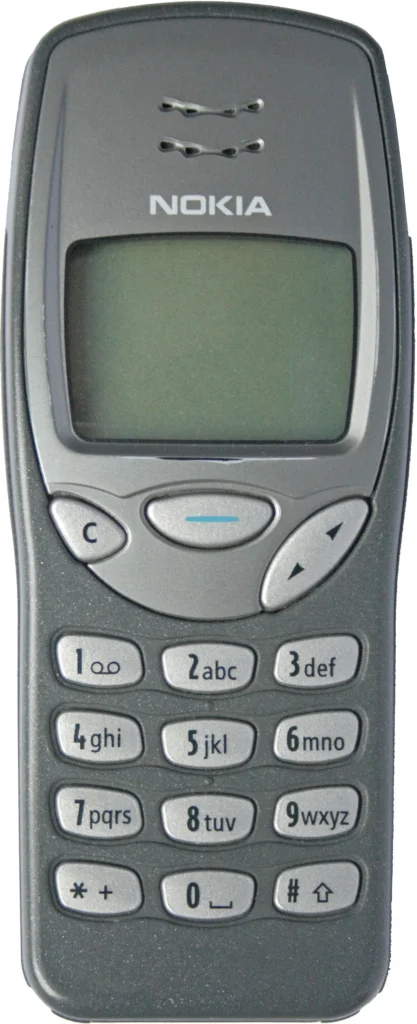
9. Nokia 3210 (1999): The Indestructible First Phone
Nokia’s 1999 brick featured Snake, customizable covers, and tank-like durability—160 million sold.
In Western Europe, teens customized them, in Eastern Europe, it was revolutionary. Snake addictions were epidemic.
Regional twist: Nokia dominated ex-USSR, surviving drops and “hammer tests.”
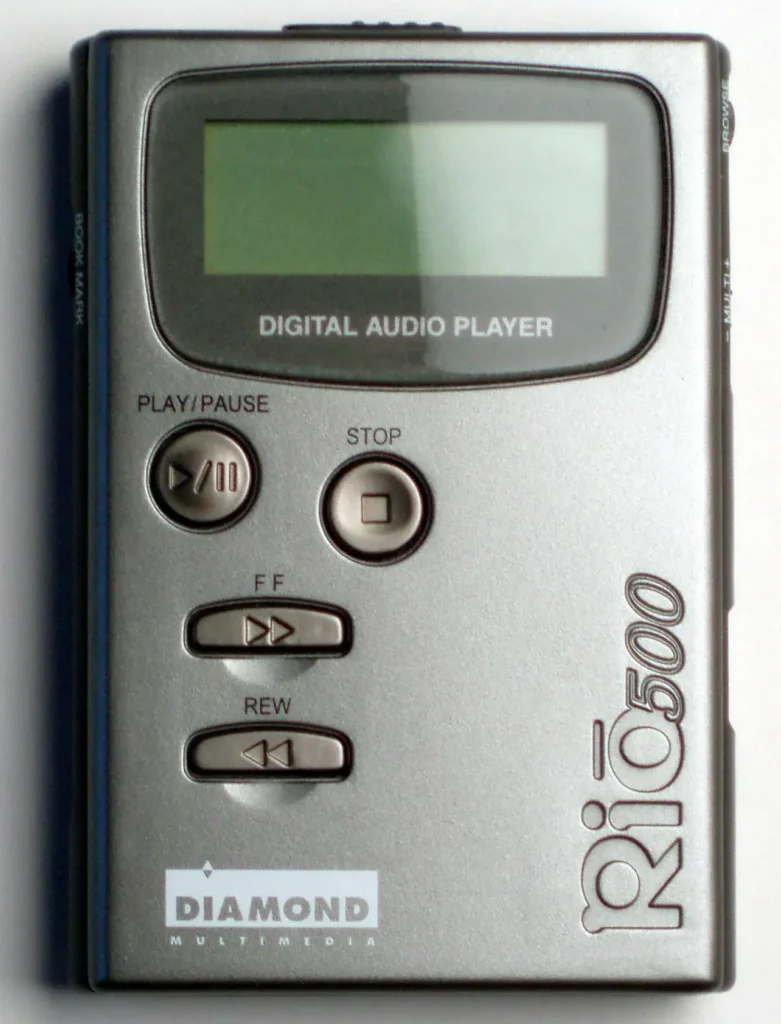
10. First MP3 Players like Rio PMP300 (1998): Digital Music Dawn
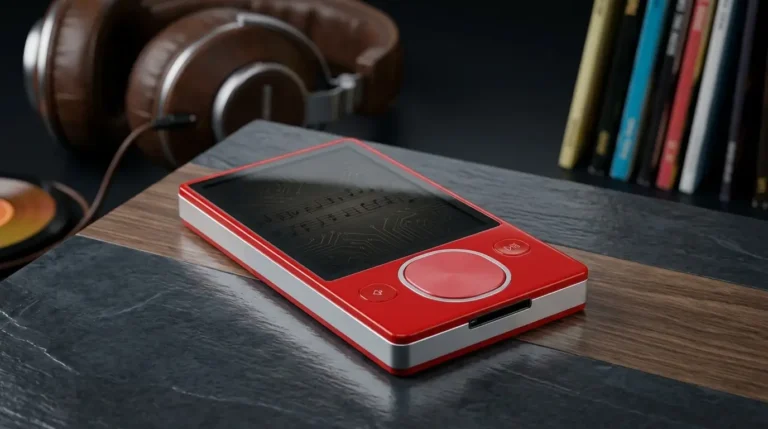
Diamond Multimedia’s Rio held 10 songs on flash memory, igniting piracy debates.
Europeans tinkered early Dutch hackers modded them, while in Poland and Balkans, it hinted at escaping cassettes. Paved for iPods.
Future spark: Birth of pocket sized libraries.
Why These 90s Gadgets Still Resonate (Especially in Europe)
These 90s gadgets seem primitive now, but they democratized tech. In Eastern Europe, they symbolized freedom, Tamagotchis in Sofia apartments, Nokias in Warsaw streets. They birthed portable entertainment, AI toys, and mobile worlds.
Today, amid smartphone fatigue, their tactile joy endures. Hunt eBay for a Game Boy revival, or ponder: Would you “revive” a neglected Tamagotchi?